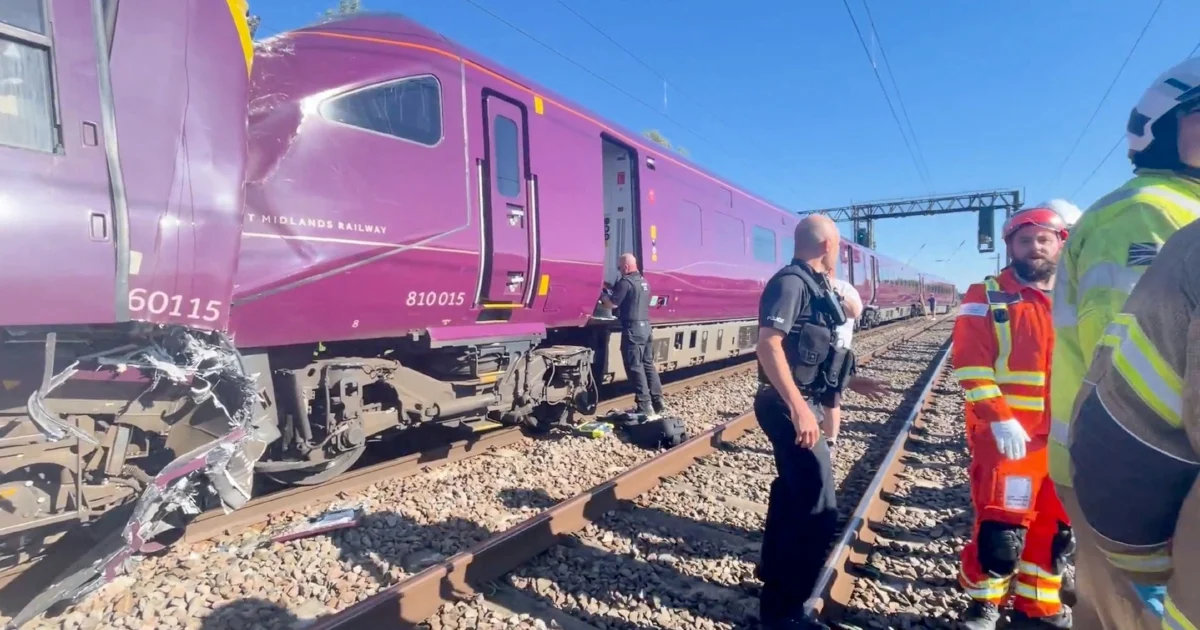
A major rail disaster unfolded north of London on Friday when two passenger trains came into violent contact, resulting in one fatality and widespread casualties across the network. Emergency responders confirmed that dozens were hurt in the incident, with 11 victims classified as sustaining very serious injuries requiring immediate medical intervention. The collision has reignited longstanding safety concerns about Britain's passenger rail system and the measures in place to prevent such catastrophic events.
The crash occurred during morning commuting hours, a time of peak passenger movement across the UK rail network. Emergency services mobilised rapidly to the scene, deploying paramedics, firefighters, and police to manage the immediate aftermath and provide critical care to the injured. Rescue operations focused on extracting passengers from mangled carriages and assessing the full scope of injuries sustained during the impact. The scale of the response underscores the severity of what had unfolded on the tracks.
For Malaysian readers, such incidents serve as a stark reminder of the critical importance of rail safety infrastructure and oversight, particularly as Southeast Asian nations continue developing extensive railway networks. Malaysia's own rail system, including rapid transit networks in Kuala Lumpur and the proposed expansions across the region, must learn from international incidents to prevent similar tragedies. The UK collision highlights how even in nations with mature railway systems and advanced technology, human error, mechanical failure, or communications breakdowns can still lead to devastating consequences.
The nature of train-on-train collisions presents unique challenges for emergency responders. The momentum and mass involved in such incidents create extreme damage to passenger compartments, leaving rescue teams to work against time to free trapped or injured individuals. The fact that 11 people were identified as very seriously hurt suggests that several passengers may face long-term medical complications, including spinal injuries, internal trauma, and psychological shock that extends well beyond the immediate crisis period.
Britain's railway infrastructure, while generally reliable, has experienced multiple serious incidents in recent decades. This collision will likely trigger immediate reviews of signalling systems, driver training protocols, and operational procedures at the affected rail operator. Investigators will examine whether technical failures, human mistakes, or inadequate spacing between services contributed to the catastrophe. Such post-incident analyses typically result in industrywide recommendations that filter through to railway operators globally, including those in Malaysia and across Asia.
The economic and social disruption flowing from such incidents extends far beyond the immediate human toll. Friday's collision will disrupt services for thousands of commuters who depend on reliable rail connections in Britain's densely populated southeast. Passengers travelling for work, medical appointments, or personal business will face significant delays and alternative arrangements. This demonstrates how a single incident, however brief in duration, can have cascading effects through communities and commercial activities that depend on seamless transportation networks.
From a regional perspective, Malaysia's transport authorities should remain attentive to how British rail operators investigate and respond to this incident. The protocols established for determining liability, compensating affected passengers, and implementing safety improvements following the collision offer instructive lessons for managing similar crises. As Malaysian railways modernise and expand—particularly with initiatives like the proposed Central Rail Link and other major infrastructure projects—embedding robust safety cultures and incident response procedures becomes increasingly vital.
The psychological impact on survivors and the broader travelling public should not be underestimated. Passengers involved in train collisions often experience lasting anxiety about rail travel, affecting their confidence in using public transport systems in future. Railway operators must therefore invest not only in physical safety improvements but also in passenger reassurance campaigns and mental health support services following such traumatic events. This holistic approach to recovery helps maintain public faith in rail networks as safe and viable transport modes.
The investigation into Friday's collision will likely consume months of detailed analysis, including examination of maintenance records, operational logs, communications transcripts, and physical evidence from the crash site. Regulatory bodies in the UK will scrutinise whether existing safety standards were sufficient and whether new measures are required. International railway bodies may also review the incident as part of their ongoing efforts to harmonise safety practices across borders, with implications for operators in Malaysia and other nations seeking to benchmark their systems against global best practices.