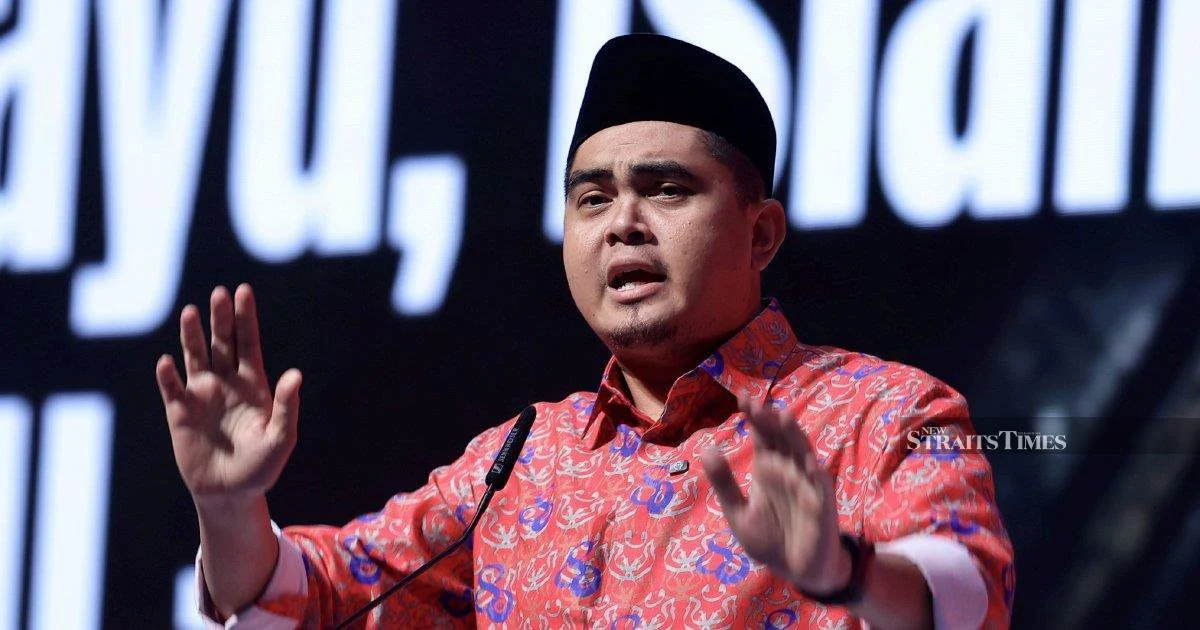
The political fallout from Barisan Nasional's decisive performance in the Johor state election continues to reverberate through Malaysia's partisan landscape, with Umno Youth chief Datuk Dr Akmal Saleh intensifying pressure on opposition figures over unfulfilled promises. Speaking from Johor Baru, Akmal has directly challenged DAP deputy chairman Nga Kor Ming to deliver on an earlier undertaking to resign following the coalition's landslide result, marking another chapter in the escalating post-election blame game that has characterised Malaysian politics in recent years.
The resurrection of Nga Kor Ming's previous resignation pledge underscores the deeply competitive nature of Malaysian electoral politics, where public statements made by opposition leaders often become ammunition for government officials once voting concludes. Akmal's pointed intervention suggests that the election outcome has emboldened Umno Youth to press various political opponents on commitments that may have been made in different contexts or under distinct circumstances. This tactic reflects the broader pattern whereby victorious coalitions leverage their mandates to demand accountability from defeated rivals, whether such demands prove substantive or primarily serve symbolic purposes.
Johor's election result represented a significant momentum shift for Barisan Nasional, which has worked to rebuild its political standing following the 2018 general election setback that transformed Malaysia's governance landscape. The coalition's commanding performance in the state contest provides its component parties, particularly Umno, with renewed confidence and electoral validation after years of navigating internal divisions and public scepticism regarding governance standards. For Umno Youth specifically, which represents the party's younger membership base, the victory offers an opportunity to assert influence over broader party narratives and hold opposition leaders accountable to stated positions.
Nga Kor Ming's position within DAP carries particular significance given the party's status as the largest opposition coalition component and its considerable influence over Malaysian Chinese political sentiment. As deputy chairman, Nga occupies a senior leadership position within an organisation that has increasingly positioned itself as a serious alternative governing force rather than a perpetual opposition voice. Any resignation or change in leadership structure within DAP's upper echelon could have ramifications extending beyond internal party dynamics to affect the broader opposition coalition's strategic positioning and credibility with constituencies that have supported it.
The substance of Akmal's challenge, delivered with a characteristically combative tone that has become his trademark, carries implications for how Malaysian political discourse unfolds in coming months. By offering to assist in drafting a resignation letter, Akmal has employed a rhetorical device that combines pressure with performance, creating a moment designed for social media circulation and amplification among Umno Youth's base supporters. This approach reflects the increasingly theatrical dimensions of Malaysian politics, where communications strategies incorporate elements designed for viral spread and digital engagement rather than focusing exclusively on traditional media coverage.
From a broader Southeast Asian perspective, Malaysia's internal political machinations merit attention because they illustrate how coalition politics, electoral competition, and inter-party dynamics function within a multi-ethnic democracy navigating demographic complexities and competing governance philosophies. The willingness of victorious political actors to demand opposition leaders honour prior commitments, regardless of changed circumstances or evolving political realities, demonstrates the adversarial nature of Malaysian politics and the limited consensus-building that characterises relationships between ruling and opposition blocs.
For readers and observers tracking Malaysian politics, Akmal's intervention raises questions about whether Nga Kor Ming will respond substantively or whether the challenge will dissipate into the broader noise of partisan rhetoric that dominates the Malaysian political environment. The credibility of opposition figures partly depends on their consistency and willingness to stand by stated principles, yet maintaining such positions invariably invites pressure from political opponents seeking to capitalise on any perceived weakness or inconsistency. This dynamic creates an impossible position for opposition leaders, who must simultaneously maintain voter confidence while navigating complex party politics and responding to external pressure from government officials operating from positions of electoral strength.
The timing of Akmal's challenge, occurring in the immediate aftermath of electoral success, suggests that Umno Youth intends to maintain momentum gained from Johor's results by keeping opposition figures on the defensive. This represents a deliberate strategy to dominate political discourse in ways that advantage the government coalition, preventing opposition parties from regrouping, analysing what went wrong, and formulating alternative messaging to contest future electoral contests. By maintaining aggressive rhetorical pressure, Umno Youth aims to shape the post-election narrative in ways favourable to Barisan Nasional's medium-term political positioning.
For Malaysian political observers, the incident exemplifies broader patterns whereby electoral outcomes become leverage points for intensifying partisan attacks rather than occasions for measured reflection or opposition introspection. The appetite for holding opposition figures accountable to prior statements, while understandable from a competitive perspective, risks contributing to a political culture where consistency becomes less valued than tactical advantage and rhetorical dominance. Whether such dynamics ultimately serve Malaysian democracy's interests remains an open question that transcends the immediate partisan context of Akmal's challenge to Nga Kor Ming.

