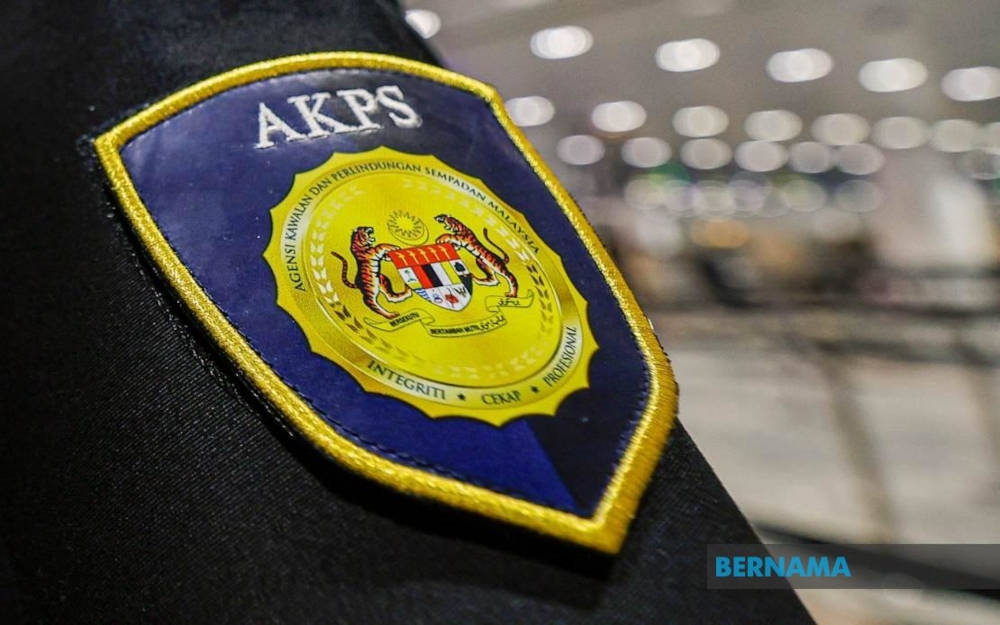
The Malaysian Border Control and Protection Agency (AKPS) has begun investigating claims that an officer at Kuala Lumpur International Airport Terminal 2 (KLIA 2) accepted a RM100 payment through a personal QR code, marking a troubling evolution in how alleged corruption may be facilitated at Malaysia's busiest international gateway. The incident highlights emerging vulnerabilities in airport security protocols as digital payment technologies become increasingly integrated into daily transactions, potentially creating new avenues for misconduct that authorities had not previously anticipated.
The allegation surfaced in Sepang, where KLIA 2 serves as one of the nation's primary aviation hubs. Rather than traditional cash transfers, which leave obvious physical traces, the alleged use of a personal QR code for the payment suggests a more deliberate attempt to obscure the transaction. This method could theoretically allow officers to claim the money represents something other than a bribe—perhaps a personal loan or informal arrangement—making it considerably harder for internal investigators to prove intent and establish culpability. The sophistication of this approach underscores how institutional corruption can adapt to technological change faster than oversight mechanisms can respond.
The AKPS, responsible for border security and immigration enforcement, initiated the internal probe after the allegation came to light. The agency's response demonstrates at least a commitment to self-examination, though questions remain about whether existing investigation infrastructure is adequately equipped to handle cases involving digital money trails. KLIA 2 processes millions of passengers annually, making it a potential flashpoint for corruption if proper safeguards are not rigorously maintained and regularly audited. The officer's conduct, if substantiated, would represent a betrayal of public trust at a facility designed to protect Malaysia's borders and maintain immigration integrity.
The use of a personal QR code rather than official airport payment systems raises significant procedural concerns. Airport personnel should never request payments through unofficial channels, and travellers should be educated about legitimate fee structures and official payment methods. When a passenger encounters such a request, immediate escalation to supervisory staff or the airport's anti-corruption hotline should occur. The fact that the alleged incident occurred at all suggests either the passenger was unaware of proper protocols or felt pressured into compliance, both scenarios indicating a systemic vulnerability requiring urgent attention.
For Malaysian travellers and tourists, this incident carries practical implications. KLIA 2 and other major ports of entry should clearly display information about legitimate fees, official payment channels, and mechanisms to report suspicious requests. International visitors, unfamiliar with Malaysian procedures and sometimes vulnerable due to language barriers, may be particularly susceptible to pressure from uniformed officers. The reputational damage to Malaysia's aviation and tourism sectors could extend beyond the immediate incident if such allegations become widespread or are inadequately addressed, potentially affecting visitor confidence and international perceptions of border security professionalism.
The investigation also underscores broader challenges in monitoring officer conduct across Malaysia's border infrastructure. KLIA 2's scale and the volume of daily transactions create inevitable gaps in supervision. Digital surveillance systems, internal audit mechanisms, and whistleblower protections must work in concert to detect and deter misconduct. The AKPS will likely examine whether the officer had a history of complaints, whether supervisors maintained adequate oversight during peak hours, and whether existing compliance training adequately addressed emerging payment technologies and their misuse potential.
Regionally, Malaysia's experience resonates with other Southeast Asian nations grappling with similar challenges. Border and airport corruption remains a persistent issue across the region, and the adoption of digital payment solutions without corresponding anti-corruption protocols creates new opportunities for abuse. The incident serves as a cautionary tale for airports and border agencies throughout ASEAN that are modernising infrastructure and implementing contactless, digital transaction systems. Thailand, the Philippines, Indonesia, and Vietnam all process significant international passenger volumes and face comparable risks that warrant proactive policy review.
The investigative outcome will carry symbolic weight beyond the immediate case. A transparent, credible investigation culminating in appropriate sanctions would signal that AKPS takes misconduct seriously regardless of officer rank or circumstances. Conversely, if the probe appears incomplete or inconclusive, it would reinforce public cynicism about internal accountability mechanisms. International business councils and travel associations operating in Malaysia will be monitoring the case carefully, as perceptions of systematic corruption at entry points directly influence investment decisions and tourism patterns.
Moving forward, KLIA 2 management should implement several safeguards: mandatory officer training emphasising that unofficial payment channels are prohibited; visible signage in multiple languages explaining legitimate fees and payment methods; mandatory transaction reporting for all officer interactions involving payments; and regular audits of QR code transactions flagged to officers' personal accounts. The RM100 incident, while individually modest, represents exactly the type of gateway corruption that, if unchecked, erodes institutional credibility and encourages further misconduct. By addressing it comprehensively, AKPS can demonstrate its commitment to maintaining the integrity of Malaysia's border security operations and protecting both national interests and traveller welfare.

