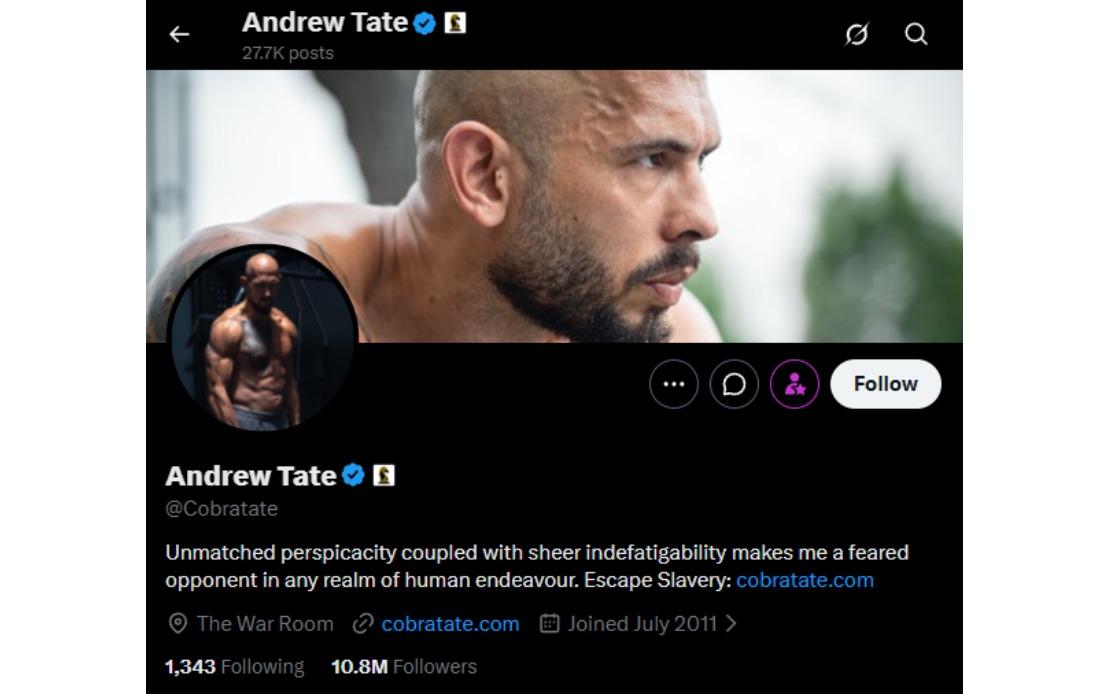
The arrest of Andrew Tate and his brother Tristan in Miami represents a significant escalation in legal proceedings against the internet personalities who have cultivated a substantial following across global social media platforms. Acting on new charges filed by the United Kingdom's Crown Prosecution Service, the US Marshals Service took both men into custody on Saturday, marking another chapter in the complex international legal saga surrounding the controversial figures.
The brothers had been operating out of Turkey before their extradition to the United States, where they now face additional criminal allegations. The involvement of multiple jurisdictions—the United Kingdom, United States, and their previous base in Turkey—underscores how digital-age offences and the international reach of social media personalities have created unprecedented challenges for law enforcement agencies across borders. The coordination required between American federal authorities and British prosecutors demonstrates the necessity for transnational cooperation in addressing serious crimes that span multiple countries.
Andrew Tate has become increasingly infamous across Southeast Asia and beyond for his inflammatory online presence, where he has cultivated a substantial male audience through content that critics argue promotes misogynistic ideologies and problematic attitudes towards women. His influence extended well into Malaysian social media ecosystems, where younger audiences encountered his messaging, making his criminal prosecution a matter of particular relevance to regional observers. The allegations now before courts represent serious criminal conduct that, if substantiated, would constitute grave violations of fundamental human rights and dignity.
The Crown Prosecution Service's decision to file new charges indicates that British legal authorities have accumulated sufficient evidence to pursue additional criminal allegations beyond any preliminary investigations. This move suggests the scope of the investigation has broadened, potentially encompassing additional alleged victims or newly uncovered evidence. The sequential nature of these charges—with fresh allegations appearing well after initial legal proceedings commenced—is not uncommon in complex international investigations involving multiple jurisdictions and numerous potential victims.
From a Southeast Asian perspective, the Tate case illuminates the darker dimensions of social media influence and the mechanisms by which problematic ideologies propagate across cultural and geographical boundaries. Malaysian authorities and civil society organisations have expressed growing concern about the reach of such content among young people, particularly given the significant internet penetration rates and social media usage across the region. The arrest may serve as a cautionary reminder about the consequences that can follow when individuals utilise digital platforms to promote harmful conduct.
The Miami arrest also highlights the operational capacity of the US Marshals Service to execute international law enforcement objectives. Federal agencies in the United States have demonstrated increasing willingness to cooperate with international partners in pursuing serious criminal allegations, particularly those involving allegations of sexual exploitation and trafficking. This reflects a broader global recognition that crimes of this nature demand coordinated response mechanisms transcending national boundaries.
The situation surrounding the Tate brothers has attracted considerable attention from anti-trafficking advocates and women's rights organisations throughout Asia and beyond. Groups focused on combating online exploitation have seized upon the case as an opportunity to raise awareness about how digital platforms enable abusive behaviour and facilitate the victimisation of vulnerable individuals. In Malaysia, where discussions around online safety and digital citizenship have gained prominence, the high-profile nature of this arrest provides a platform for deeper conversations about responsible social media use and the platforms' accountability for harmful content.
Turkey's role as the brothers' previous base of operations had already drawn scrutiny from international observers, given the country's status as a jurisdiction with complex relationships to extradition and international law enforcement cooperation. The apparent ease with which American authorities located and apprehended the brothers in Miami—rather than attempting extraction from Turkey—suggests they may have travelled to the United States voluntarily or through other circumstances that facilitated their custody without protracted diplomatic negotiations.
The proceedings ahead will involve both British and American legal systems, potentially creating complex jurisdictional questions about which courts will have primacy and how evidence will be coordinated across Atlantic jurisdictions. These procedural questions, while technical in nature, carry significant implications for how the cases ultimately unfold and what outcomes may eventuate. For Malaysian observers, the case also underscores the importance of robust legal frameworks protecting individuals from online exploitation and harassment, an area where many Southeast Asian nations continue developing their legislative capacity.
The arrest carries symbolic weight beyond the specific allegations involved, representing a moment when digital-age celebrity and influence collide with accountability mechanisms. The case may influence how social media platforms and content creators in the region approach issues of responsibility and potential consequences, particularly among younger influencers aspiring to emulate controversial personalities. As the legal proceedings continue across multiple jurisdictions, the case will likely remain a focal point for discussions about digital ethics, gender-based violence, and the proper balance between online freedom and protection from exploitation.

