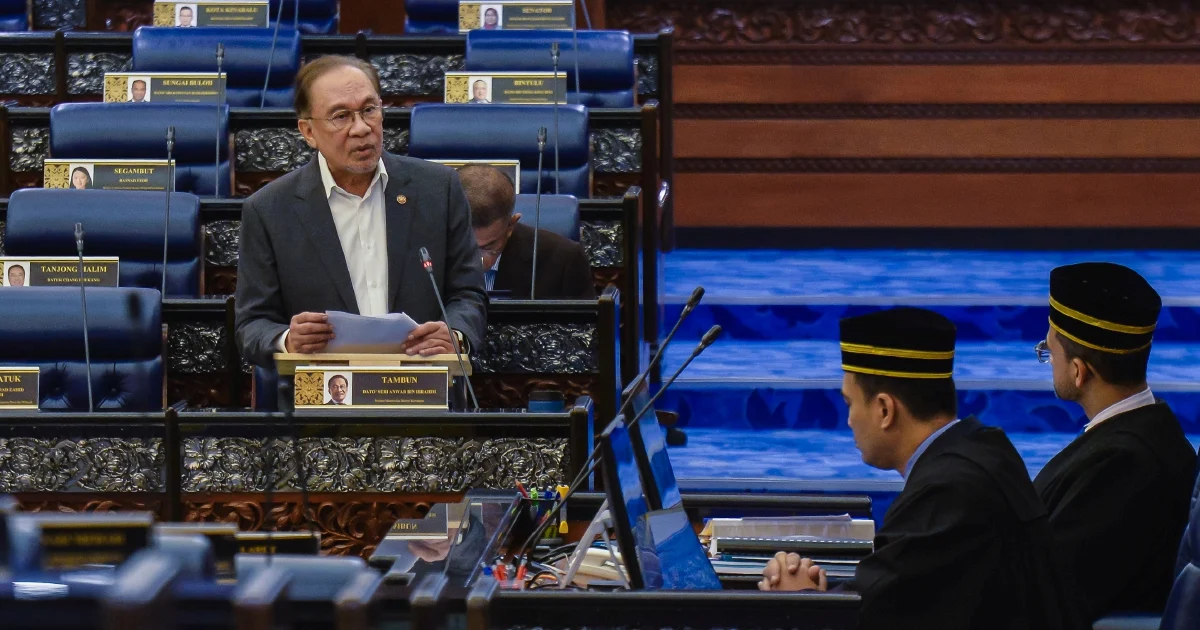
Prime Minister Datuk Seri Anwar Ibrahim moved swiftly to clarify his position on the disputed cancellation of Johor's Felda Settlers' Day celebration, firmly denying that he personally directed the event's cancellation. The statement represents the latest twist in a controversy that has simmered since an abrupt announcement earlier this month regarding the scrapping of the 2026 commemorative gathering planned for Kluang in Johor.
The Felda Settlers' Day celebration holds considerable significance within Malaysia's agricultural heartland. The Federal Land Development Authority, commonly known as Felda, remains a cornerstone institution in the nation's rural economy, having settled hundreds of thousands of families across plantation schemes throughout the decades. The annual gathering serves as a platform for recognising the contributions of settler communities and celebrating their collective achievements within the scheme's framework. For many residents in Johor and across the peninsula, the event represents an important cultural touchstone within their communities.
The cancellation announcement triggered immediate concern and confusion among stakeholder groups, including settler associations and regional officials who viewed the event as integral to commemorating Felda's historical role in national development. The abrupt nature of the decision raised questions about the decision-making process and who bore responsibility for the directive. With the Prime Minister's office traditionally holding significant influence over major national celebrations and commemorative events, scrutiny naturally fell upon the highest levels of government to explain the rationale behind the cancellation.
Anwar's categorical denial suggests that accountability for the cancellation decision rests elsewhere within the government machinery, potentially pointing toward specific ministers or administrators within the Felda administration or state-level authorities. This explanation underscores the complexity of Malaysia's federal and state governance structures, where responsibility for particular initiatives can become diffused across multiple institutions and levels of administration. The distinction becomes particularly important when public figures seek to clarify their precise roles in controversial decisions affecting specific constituencies.
The dispute carries implications for relationships between the federal government and settler communities, particularly in Johor where the state government and federal authorities must navigate different political configurations. The Johor state administration's interface with Felda matters represents an ongoing area where coordination between different governance levels proves essential. Public perception of government responsiveness to community concerns can shift based on how leadership addresses such controversies, making clarity about decision-making authority particularly valuable for maintaining stakeholder confidence.
Felda communities across Malaysia have historically viewed themselves as integral to the nation's agricultural foundation and rural development narrative. The settlers' annual commemoration provides opportunity for governmental recognition of this contribution and reinforcement of the institutional relationship between Felda beneficiaries and state structures. Cancelling such events without transparent explanation can generate broader anxieties within settler communities about their standing within national priorities and development agendas, particularly during periods of economic transition within agriculture.
The timing of the cancellation decision, announced earlier this month for a 2026 event, suggests this controversy emerged from recent administrative actions rather than long-standing planning disputes. The relatively recent announcement allowed limited opportunity for affected communities to engage with decision-makers or understand the underlying considerations. Anwar's clarification, while denying his personal involvement in issuing the directive, does not fully address why the cancellation proceeded or provide alternative explanations for reversing or reconsidering the decision.
For Malaysian observers following national governance dynamics, the statement illustrates how responsibility and attribution become contentious when decisions provoke public reaction. Whether the cancellation ultimately stands, gets reversed, or leads to a modified event format, the clarity emerging from such public clarifications shapes how different constituencies assess government accountability. The incident also reflects broader questions about how agricultural communities and their institutions maintain visibility and priority within national development planning as the economy diversifies and shifts toward other sectors.
The broader context of Felda's contemporary challenges—including questions about settler welfare, scheme sustainability, and institutional modernisation—adds another dimension to public interpretation of any decisions affecting Felda-related events or programming. Community members may view changes to longstanding commemorative gatherings as reflecting shifting governmental priorities or approaches toward agricultural sector support. Anwar's intervention to clarify his role attempts to address such concerns by establishing clear boundaries around accountability for the controversial decision.

