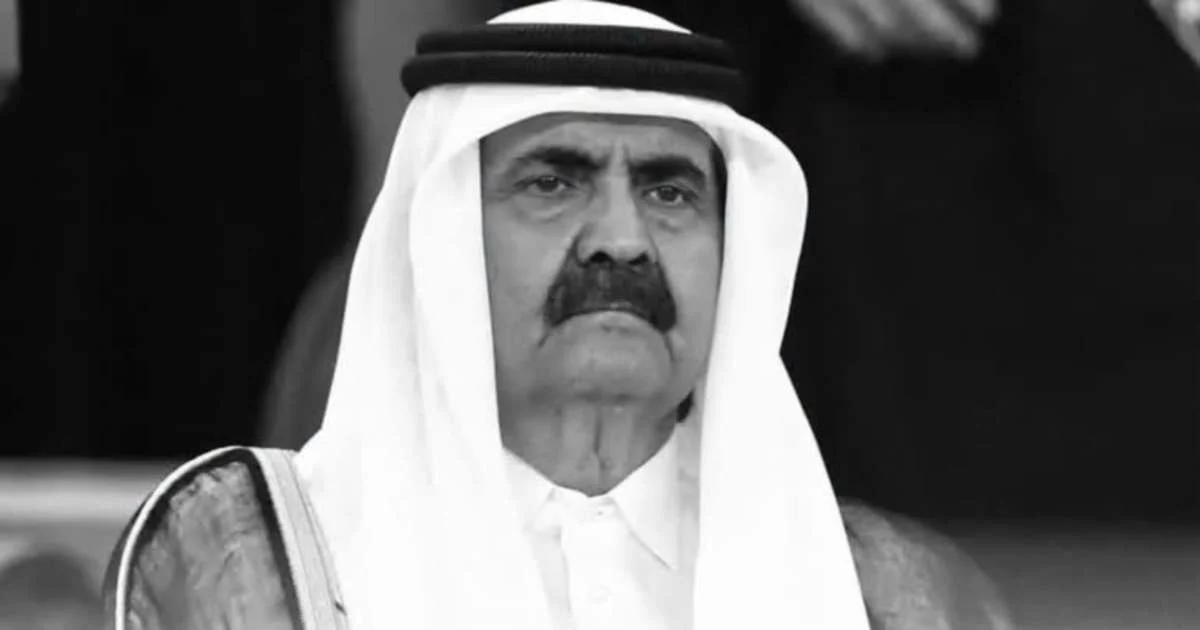
Prime Minister Datuk Seri Anwar Ibrahim has offered Malaysia's formal condolences to the Qatari leadership and people following the death of Sheikh Hamad bin Khalifa Al Thani, the Gulf nation's former ruler who died today at the age of 74. The gesture reflects the diplomatic protocol observed among regional leaders when figures of significant stature pass away.
Sheikh Hamad bin Khalifa Al Thani's death marks the end of a pivotal chapter in Qatar's modern history. The former emir's tenure spanned three decades, during which he fundamentally transformed the small Arabian Peninsula nation into a major economic and political force in the Middle East. His leadership saw Qatar emerge from relative obscurity to become one of the world's most influential players in international affairs, driven largely by vast natural gas reserves and strategic financial investments.
The timing of Anwar's expression of sympathy is significant given Malaysia's longstanding bilateral relations with Qatar. The two nations have maintained cordial diplomatic ties and economic partnerships over the years. Qatar's substantial sovereign wealth fund has been a source of regional investment, while Malaysian expertise and services have found market opportunities in the Gulf state. This mutual engagement across multiple sectors—from finance to labour—underscores the practical dimensions of their relationship beyond ceremonial courtesies.
During his 27-year reign as emir until 2013, Sheikh Hamad initiated transformative modernisation policies that reshaped Qatar's economy and global standing. He established the state-owned Qatar Airways, which became one of the world's most recognised airline brands and a symbol of national prestige. His vision extended to soft power initiatives, including the founding of Al Jazeera, the influential news network that fundamentally altered regional media dynamics and gave Qatar a powerful voice in global discourse.
The former emir's legacy also encompasses his role in hosting major international events that brought global attention to Qatar. Most notably, his successor continued a trajectory culminating in the 2022 FIFA World Cup, the Middle East's first hosting of the tournament. Though Sheikh Hamad had stepped down a decade earlier, his foundational work in positioning Qatar on the world stage created the conditions for such landmark achievements.
For Malaysian policymakers, Sheikh Hamad's tenure offered lessons in strategic economic diversification and state capacity building. Qatar's transformation from a peripheral Gulf monarchy into a diversified economy with significant soft power demonstrates how leadership vision, coupled with resource management, can elevate a nation's regional and international influence. Malaysian observers have long studied Qatar's model of maintaining strategic autonomy while building extensive networks across Asia, Europe, and beyond.
The passing of prominent regional figures often prompts reflection on continuity and stability. Qatar's smooth leadership transition in 2013 when Sheikh Hamad voluntarily handed power to his son, Sheikh Tamim bin Hamad Al Thani, was relatively unusual in Gulf politics and reflected the emir's planning for institutional sustainability. The stability that followed has allowed Qatar to maintain its assertive foreign policy stance and continue ambitious domestic development projects.
Anwar's condolences also signify Malaysia's respect for Qatar's established role in regional affairs. As a fellow Muslim-majority nation, Qatar holds particular relevance to Malaysia's diplomatic calculations and cultural positioning. Their shared religious heritage has facilitated cooperation on Islamic finance, halal standards, and engagement with the Organisation of Islamic Cooperation—bodies where both nations exercise considerable influence.
Economically, Sheikh Hamad's tenure established investment patterns that continue to benefit Qatar's global partners. Malaysian businesses have accessed opportunities in Qatar's construction, hospitality, and service sectors, while Qatari capital has occasionally flowed into Malaysian real estate and corporate ventures. These linkages, established during the emir's era, represent enduring economic relationships that transcend individual leadership changes.
The international response to Sheikh Hamad bin Khalifa Al Thani's death highlights his substantial impact on global affairs. Beyond his immediate role in Qatar, he shaped Middle Eastern regional dynamics through his management of Saudi relations, involvement in Palestinian issues, and mediation efforts in regional disputes. His foreign policy approaches—often characterised by pragmatism and outreach across geopolitical divides—influenced how smaller nations within contested regions might assert themselves.
For Southeast Asia broadly, Sheikh Hamad's passing represents a moment of transition in Gulf leadership. The ageing of the initial generation of modern Gulf state builders means younger leaders are increasingly taking centre stage. This generational shift could influence investment patterns, diplomatic priorities, and the nature of partnerships that nations like Malaysia cultivate with Gulf states. Understanding these transitions helps regional governments anticipate shifts in bilateral relations and adjust strategies accordingly.
Anwar's expression of condolences follows established diplomatic conventions while acknowledging the genuine significance of Sheikh Hamad's death for Qatar's people and government. The relationship between Malaysia and Qatar, built upon shared interests in Islamic finance, energy cooperation, and broader geopolitical alignment, will likely continue under the established institutional frameworks. Yet this passing serves as a reminder that the architects of modern state systems eventually pass the torch, and how successors navigate inherited legacies often determines whether partnerships remain robust or gradually diminish.

