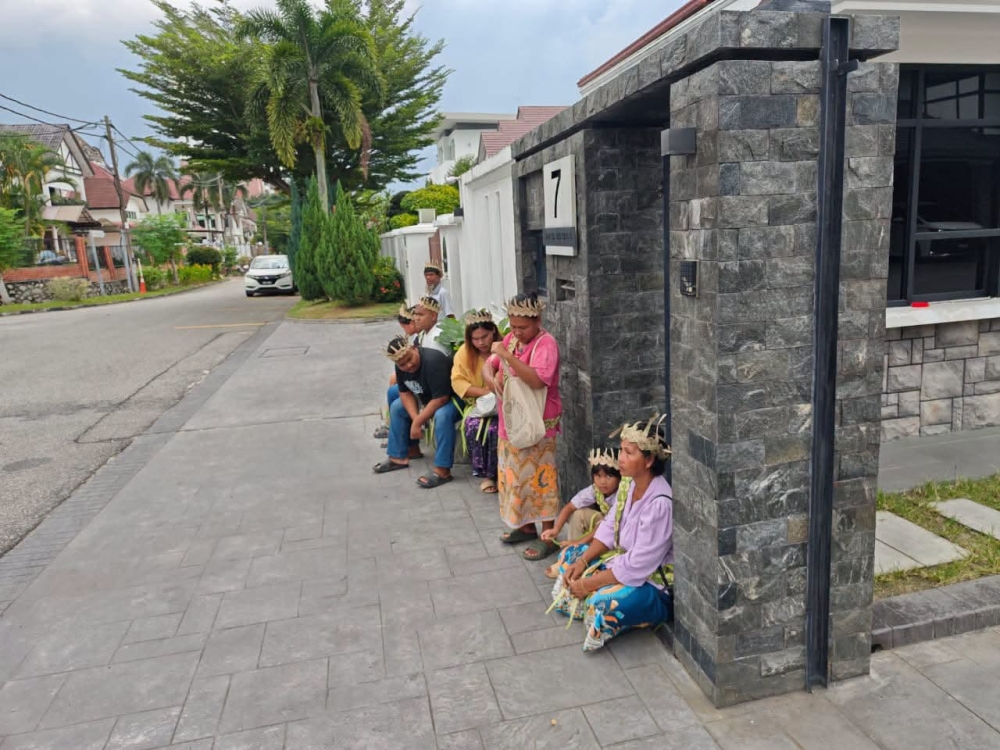
Prime Minister Datuk Seri Anwar Ibrahim has committed to escalating a contentious land dispute affecting Orang Asli communities in Maran to the Pahang state authorities, emerging from face-to-face discussions with residents of the affected areas. The pledge represents a direct intervention by the federal government into what has become an increasingly complex issue straddling indigenous rights, state administration, and land governance in one of Peninsular Malaysia's key states.
Anwar's engagement with villagers underscores the government's growing attention to indigenous land matters, which have historically remained on the periphery of national policy discussions despite their profound impact on vulnerable communities. The Prime Minister's willingness to personally intervene signals a potential shift in how federal leadership approaches Orang Asli grievances, particularly those involving territorial conflicts where state governments hold administrative authority. This approach differs markedly from previous administrations that often deferred such matters entirely to state-level resolution, leaving indigenous groups without meaningful recourse at higher government levels.
The Maran dispute exemplifies broader tensions affecting Orang Asli populations across Peninsular Malaysia, where overlapping claims to land have persisted for decades. These disputes typically involve competing interests between indigenous communities seeking ancestral land recognition, state development objectives, and private commercial interests that have secured permits or leases. In Maran specifically, the situation reflects the intersection of traditional Orang Asli settlement patterns and modern administrative land categorisation systems that frequently fail to acknowledge indigenous territorial customary rights.
Pahang, as the largest state in Peninsular Malaysia by land area, holds significant administrative power over land matters within its jurisdiction. The state government's engagement will be critical to any resolution, as federal intervention without state cooperation historically produces limited practical outcomes. Anwar's commitment to formally raise the issue with Pahang authorities suggests the federal government believes escalation beyond informal channels is now necessary to progress the matter. This institutional approach may provide a framework through which competing claims can be systematically documented and addressed.
The timing of Anwar's consultations reflects broader political currents in Malaysia's contemporary landscape. Indigenous rights have gained traction as a policy concern following international commitments, civil society advocacy, and increased media scrutiny of land conflicts. For a Prime Minister to personally engage with Orang Asli communities represents political capital being explicitly invested in this constituency, signalling that such issues carry weight in current government priorities. Whether this translates into substantive policy changes or remains a symbolic gesture will depend on subsequent action and resource allocation.
Orang Asli communities in Maran have long articulated concerns about land insecurity affecting their livelihoods, cultural practices, and settlement stability. Direct consultation with the Prime Minister provides these communities an unprecedented opportunity to present their case to the highest executive authority, potentially circumventing bureaucratic layers that have previously obscured or delayed their grievances. Such direct access, however rare, can generate momentum for policy reconsideration, particularly if documented community testimonies create political pressure for resolution.
The dispute also intersects with Malaysia's international obligations regarding indigenous peoples. As a signatory to various UN agreements and declarations concerning indigenous rights, Malaysia faces mounting international scrutiny regarding how effectively it protects Orang Asli interests. Federal government action on specific cases like Maran demonstrates responsiveness to these international frameworks, positioning Malaysia as a nation taking indigenous affairs seriously. This dimension adds weight to Anwar's commitment beyond purely domestic political considerations.
Pahang's response to federal intervention will be instructive for understanding how Malaysia's federal system manages indigenous rights issues. States retain substantial autonomy over land administration, yet the federal government increasingly recognises that leaving such matters entirely to state discretion produces inconsistent outcomes and prolonged suffering for affected communities. Anwar's pledge essentially initiates a formal negotiation channel between federal and state authorities specifically focused on Orang Asli land concerns, potentially establishing precedent for handling similar disputes elsewhere.
The practical outcomes from this intervention remain uncertain at present. Land disputes rarely resolve swiftly given the complex documentation requirements, legal frameworks, and competing stakeholder interests involved. However, explicit commitment from the Prime Minister to raise the matter with state authorities elevates its profile within government systems, potentially accelerating internal processes. Pahang officials will face political pressure to respond substantively to federal inquiries, particularly if subsequent media coverage continues highlighting the community's circumstances.
For Malaysian civil society organisations focused on indigenous rights, Anwar's engagement represents a potential opening for sustained advocacy. Building on this initial consultative process, advocacy groups can supply detailed documentation of community claims, legal research on Orang Asli rights frameworks, and comparative case studies demonstrating effective dispute resolution mechanisms. This evidence-based approach, coupled with political commitment from the Prime Minister, creates conditions more favourable for meaningful policy dialogue than has previously existed.
The broader implications extend across Southeast Asia, where indigenous land disputes similarly plague multiple nations. Malaysia's approach to the Maran case—whether it achieves substantive resolution or remains incomplete—will be observed by regional peers grappling with comparable indigenous rights tensions. Successful resolution could position Malaysia as a regional leader in indigenous affairs governance, while unresolved disputes risk reinforcing perceptions that federal commitment remains rhetorical rather than genuine.
Moving forward, the key measure of success will be tangible outcomes emerging from federal-state discussions regarding the Maran Orang Asli land situation. Anwar's initial commitment must translate into concrete actions, whether through legislative remedies, administrative land reclassification, compensation mechanisms, or alternative dispute resolution frameworks. Sustained follow-up and transparent communication with affected communities will determine whether this engagement becomes a genuine turning point in how Malaysia's government addresses indigenous land grievances or settles into routine political discourse without lasting change.

