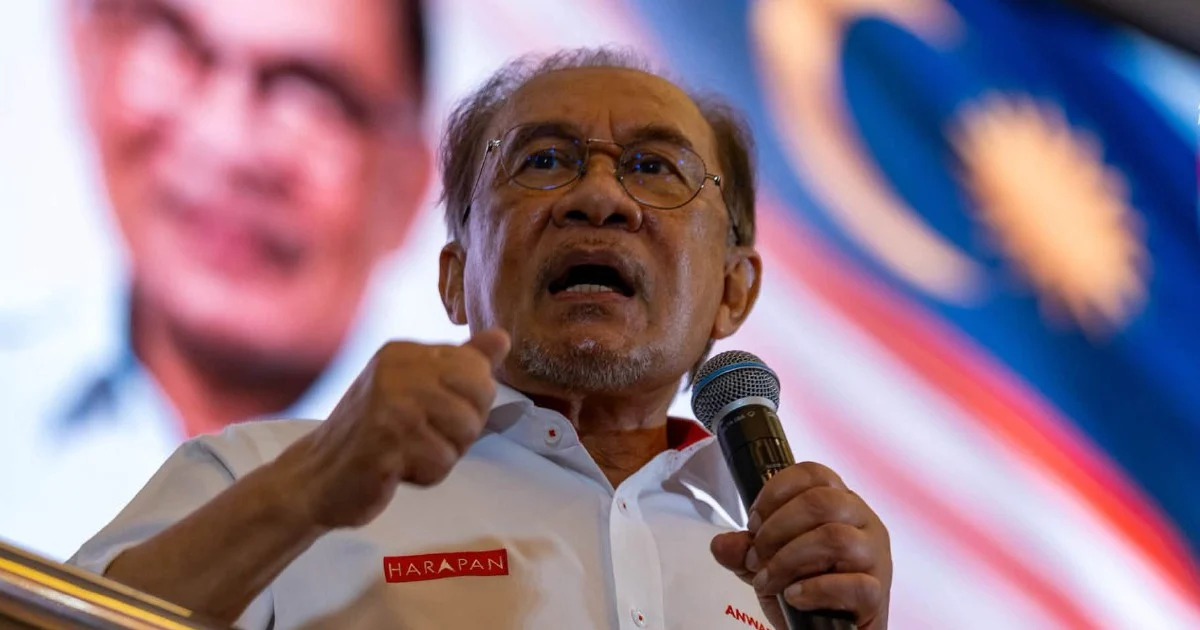
Prime Minister Datuk Seri Anwar Ibrahim has ruled out approaching Singapore to facilitate voting arrangements for Malaysians employed there during the forthcoming Johor state election scheduled for July 11. The clarification addresses speculation about potential cross-border voting measures that might assist the substantial workforce commuting daily across the Causeway to work in Singapore.
The decision reflects the complexities inherent in cross-border electoral logistics and the sovereignty considerations that typically govern such arrangements between neighbouring nations. While Malaysia and Singapore maintain close bilateral ties and cooperate extensively on economic, security, and social matters, facilitating international voting remains a delicate undertaking that requires careful negotiation and mutual agreement. Anwar's statement suggests the Malaysian government intends to proceed with conventional electoral procedures without requesting third-country involvement.
Johor, as Malaysia's southernmost state with extensive economic integration with Singapore, hosts one of the region's largest commuting workforces. Hundreds of thousands of Malaysians cross into Singapore daily for employment, creating a demographic reality that periodically surfaces during electoral cycles. The potential disenfranchisement of these workers during state elections has occasionally prompted discussions about voting accessibility, though implementing cross-border voting presents significant administrative and diplomatic hurdles.
The July 11 election will determine Johor's state government composition and represents a significant political moment for the state, which has historically served as a political bellwether for broader Malaysian trends. The election comes amid ongoing discussions about electoral participation and accessibility, particularly given Malaysia's evolving approach to facilitating voting for citizens abroad. Some Malaysian diaspora communities have previously advocated for expanded overseas voting mechanisms, though implementation remains limited.
Practically speaking, establishing voting facilities on Singapore territory would require that country's explicit cooperation and regulatory approval. Singapore, despite its friendly relations with Malaysia, maintains strict neutrality in matters concerning Malaysian domestic politics. Any arrangement permitting Malaysian elections to be conducted on Singaporean soil would represent an exceptional departure from established practice and would entail navigating complex questions about territorial jurisdiction, security, and administrative oversight.
Alternatively, Malaysia could theoretically establish voting centres at its diplomatic missions in Singapore, a mechanism some nations employ for overseas electoral participation. However, Anwar's statement indicates no such plan has been formulated for the Johor election. This suggests the government's assessment that logistical benefits would not justify the diplomatic complexity and resource allocation such an arrangement would demand for a single state-level election.
The announcement touches upon broader questions about electoral inclusion and accessibility that resonate across Southeast Asia. Many regional nations grapple with balancing democratic participation for citizens working abroad against practical constraints and cost considerations. Malaysia's approach historically emphasizes in-person voting within territorial boundaries, reflecting both administrative preferences and constitutional frameworks that remain largely place-based rather than transnational in character.
Workers unable to vote in Johor due to employment commitments represent a real democratic cost, though quantifying such disenfranchisement remains difficult. Some may arrange leave to return for voting, while others might forfeit their participation. This reality extends beyond Johor to all Malaysian electoral contests, affecting not just overseas workers but also those deployed domestically in locations distant from their registered constituencies.
The electoral commission's capacity to accommodate alternative voting arrangements deserves consideration. Instituting cross-border voting would require coordination between multiple agencies, advance planning, security protocols, and staffing. For a state election involving millions of voters, even partial accommodation of cross-border participation would represent a significant operational undertaking. The government's implicit prioritization of conventional procedures perhaps reflects confidence that existing mechanisms adequately serve the electorate.
Regionally, few Southeast Asian nations have successfully implemented substantial cross-border voting systems despite significant diaspora populations. Thailand, Indonesia, and the Philippines have experimented with limited overseas voting arrangements, though implementation typically remains modest in scale. Malaysia's cautious approach aligns with regional practice, suggesting structural and institutional barriers beyond mere political reluctance.

