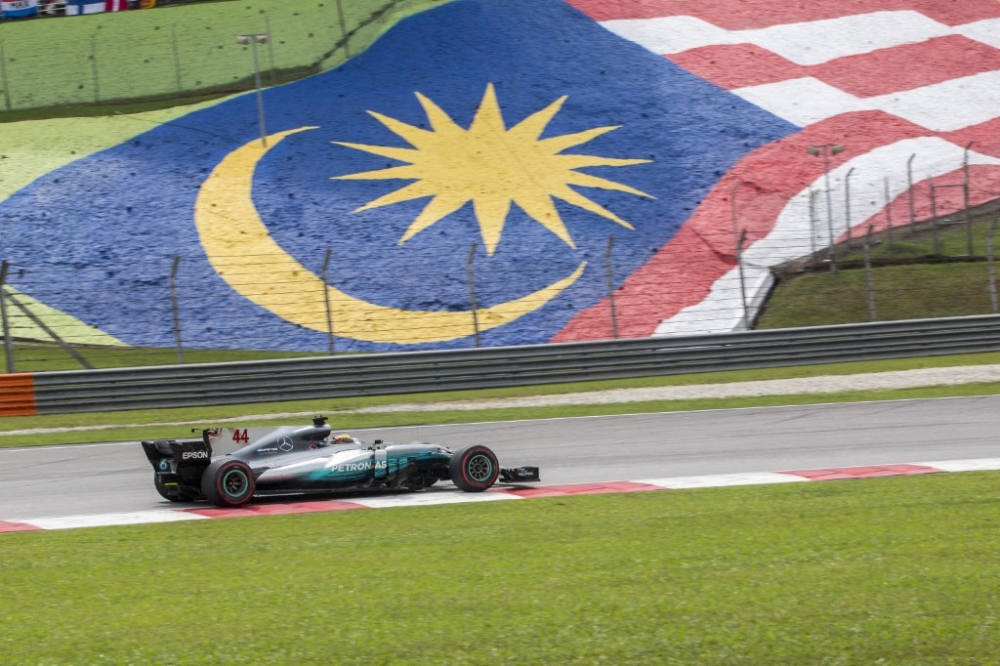
Malaysia's possibility of staging a return to the Formula One Grand Prix has moved into a decisive phase, with Prime Minister Datuk Seri Anwar Ibrahim confirming that a formal announcement regarding the initiative will be made in the coming days. The statement, delivered while Anwar was in Bukit Mertajam, suggests that behind-the-scenes negotiations have reached a critical juncture and that Malaysian authorities are preparing to unveil their position on this significant sporting and economic opportunity.
The potential revival of Formula One racing in Malaysia carries substantial symbolic weight for the nation, which previously hosted the Grand Prix at the Sepang International Circuit for over two decades until 2017. That long association with motorsport's premier competition enhanced Malaysia's global profile, generated considerable economic activity, and positioned the country as a sophisticated destination for international sporting events. The prospect of returning to the calendar represents not merely a sporting decision but a strategic move to reclaim prominence in the global events landscape during a period when Southeast Asia increasingly competes for major international competitions.
Formula One's business model has evolved considerably since Malaysia's departure from the circuit. The sport has shifted dramatically toward premium pricing for hosting rights, with newly admitted venues typically commanding substantially higher fees than what existed during Malaysia's previous tenure. This financial evolution reflects F1's transformation into a more commercially aggressive enterprise, fundamentally altering the calculus for nations considering re-entry. For Malaysia, such considerations directly impact whether the return delivers genuine economic benefit or merely absorbs government resources that could serve other priorities.
The timing of Anwar's announcement carries political implications within Malaysia's current climate. The Prime Minister has positioned himself as a moderniser committed to positioning Malaysia as a competitive economy attracting international investment and prestige projects. A successful Formula One negotiation would align with this narrative, demonstrating the government's ability to deliver transformative initiatives and engage effectively with global commercial entities. Conversely, any negotiation perceived as unfavourable terms would invite criticism regarding whether the administration has effectively advanced Malaysian interests.
Regionally, Malaysia's potential F1 return intersects with broader Southeast Asian sporting ambitions. Singapore maintains a prestigious night-time grand prix on the calendar, while other nations pursue inclusion in F1's expansion strategy. Malaysia's position as a regional economic hub positions it logically within F1's Asia-Pacific expansion ambitions, yet competing demands and geographic considerations complicate any simple narrative of regional dominance. The announcement will likely signal whether Malaysia prioritises re-engagement with premium sporting events over other infrastructure and development investments.
The Formula One governance structure has undergone considerable transformation since Malaysia last hosted races. The current management, operating under Liberty Media's ownership, emphasises commercially viable venues with strong broadcast audiences and premium ticket-purchasing demographics. Malaysia's domestic motorsport following and geographic position within Asia's broadcasting markets remain assets, yet the sport now measures success through metrics and engagement patterns that differ substantially from the era when Sepang regularly featured on the calendar. These operational realities shape whether proposed arrangements prove financially sustainable.
Practical considerations regarding circuit infrastructure present another dimension to these negotiations. The Sepang International Circuit continues operating as a motorsport facility, though assessing whether it meets contemporary Formula One technical specifications requires detailed engineering evaluation. Modern F1 standards encompass safety protocols, paddock facilities, and track configurations that have evolved significantly since 2017. Any proposal would necessarily address whether existing infrastructure requires substantial investment or whether alternative locations might better serve current requirements, considerations that directly influence government expenditure commitments.
The Malaysian motorsport ecosystem has evolved during the years of F1 absence. Local talent development pathways, engineering capabilities, and automotive industry engagement with global racing have all progressed along different trajectories. A Formula One return would intersect with these contemporary realities rather than simply recreating historical conditions. The announcement will therefore signal not restoration of prior arrangements but rather negotiation of terms reflecting current circumstances, capabilities, and strategic objectives.
International sporting calendars grow increasingly crowded as emerging economies compete vigorously for marquee events. Formula One's expansion strategy historically focused on European venues and premium markets, yet recent years have witnessed deliberate cultivation of Asian, Middle Eastern, and developing market opportunities. Malaysia's re-engagement within this context requires understanding not merely bilateral negotiations with F1 management but positioning within global competition for limited prestigious events that attract sustained international attention and investment.
The announcement awaited from Anwar will clarify whether Malaysia intends pursuing active negotiations toward a return, establishing preliminary frameworks for such engagement, or concluding that alternative sporting or infrastructure investments warrant priority attention. This categorical distinction matters considerably for assessing the genuine commitment underlying the initiative and estimating timelines for any potential race hosting. Malaysian stakeholders and regional observers will scrutinise the announcement's language for clarity regarding whether this represents firm commitment to negotiations, exploratory posturing, or strategic messaging designed to enhance Malaysia's international profile without necessarily committing substantial resources.

