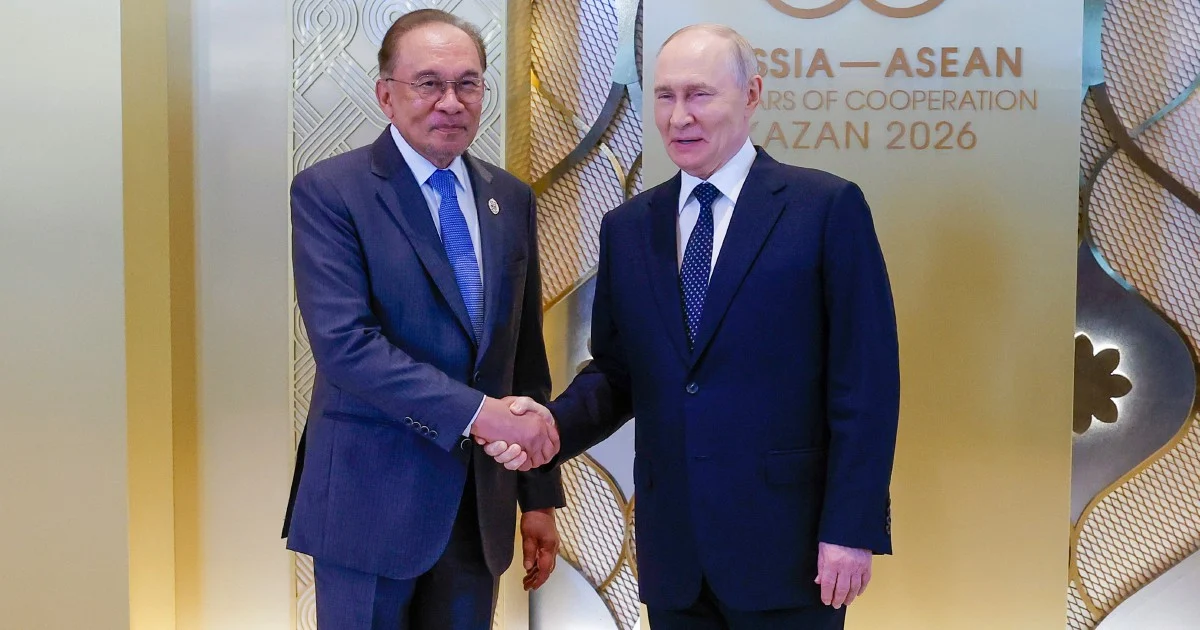
Prime Minister Datuk Seri Anwar Ibrahim's recent diplomatic mission to Russia and Turkmenistan represents a calculated strategic move to fortify Malaysia's energy infrastructure at a time when global fuel markets remain volatile and regional supply chains face ongoing pressures. The visits, warmly received by think tanks and policy institutions including BRICS International Malaysia, signal the government's commitment to diversifying energy sources beyond traditional suppliers, a cornerstone of the administration's broader economic resilience agenda.
Malaysia's energy landscape has undergone significant transformation over the past decade. As domestic oil and gas reserves continue their natural depletion, the nation faces mounting pressure to secure reliable and economically viable energy supplies from external sources. The visits to Russia and Turkmenistan address this critical vulnerability by exploring new avenues for hydrocarbon imports, while simultaneously positioning Malaysia within the evolving geopolitical architecture of Central Asian and Eastern European energy markets. These bilateral engagements underscore how Southeast Asian economies must navigate complex international relationships to protect their material interests.
Turkmenistan, sitting atop vast natural gas reserves, represents a particularly strategic acquisition opportunity for Malaysian energy planners. The Central Asian nation, while geographically distant, offers access to gas supplies that could feed Malaysia's liquefied natural gas infrastructure and downstream industries. By cultivating direct governmental relationships with Ashgabat, Malaysia reduces its reliance on intermediary suppliers and gains negotiating leverage for long-term contracts that could stabilize domestic energy costs. Such arrangements prove especially valuable for manufacturing and power generation sectors, which remain sensitive to energy price fluctuations.
The Russian dimension of these visits carries additional complexity. Beyond conventional energy transactions, engagement with Moscow opens possibilities for technological cooperation in energy extraction and processing, as well as financial arrangements that might circumvent Western-dominated banking systems. For Malaysia, which has historically maintained pragmatic relationships across ideological divides, Russia's expertise in managing vast hydrocarbon reserves and developing extraction technologies in challenging environments offers practical benefits that extend beyond simple resource purchases.
These diplomatic initiatives also reflect Malaysia's broader positioning within the BRICS framework and associated groupings that increasingly challenge traditional Western-centric global structures. BRICS International Malaysia's endorsement of the PM's visits demonstrates how economic cooperation mechanisms intersect with official policy objectives. By strengthening ties with major energy producers within and adjacent to BRICS structures, Malaysia reinforces its standing among nations seeking alternative pathways for economic development and resource security outside exclusive Western trade arrangements.
The timing of these visits carries particular significance given regional energy dynamics. As South and Southeast Asia experience rapid industrialization and urbanization, demand for reliable energy sources intensifies. Indonesia, Malaysia's immediate neighbour and fellow energy producer, faces its own transition from exporter to importer status, intensifying competition for available supplies. Malaysia's proactive engagement with Central Asian sources positions the nation to secure its share of growing energy flows before supply constraints tighten regional markets further.
Oil and gas cooperation frameworks established during these visits likely include provisions for technical training, joint ventures in processing and distribution, and potentially investment flows in both directions. Malaysian energy companies operating from the region's integrated hubs in Kuala Lumpur and Port Klang would benefit from preferential access arrangements or long-term supply agreements negotiated at the governmental level. Such arrangements reduce procurement risks and provide predictability for industrial planning across multiple economic sectors.
The strategic economic partnerships discussed during these missions extend well beyond narrow energy considerations. Energy cooperation typically catalyzes broader commercial relationships, encouraging manufacturers and traders in both nations to explore market opportunities. Russian and Turkmen companies gain access to Malaysia's sophisticated financial and logistical infrastructure, while Malaysian firms secure partnerships for regional distribution of products and services. These commercial networks, once established, develop their own momentum and create constituencies supporting continued bilateral engagement.
For Malaysian consumers and businesses, successful energy security initiatives translate into greater price stability and supply reliability. Power generation utilities can make longer-term planning decisions when secure fuel sources are contractually guaranteed, leading to more rational investment in generation capacity and transmission infrastructure. Manufacturing enterprises similarly benefit from predictable energy costs, enabling them to price products competitively and maintain operational stability across business cycles.
Within the Southeast Asian context, Malaysia's energy diplomacy carries implications beyond its borders. The region's energy security fundamentally depends on stable access to supplies from outside the region, whether from Middle Eastern oil fields, Central Asian gas reserves, or Australian liquefied natural gas. Malaysia's successful navigation of these international negotiations sets precedents and potentially opens opportunities for other regional economies to pursue similar arrangements, collectively strengthening Southeast Asian energy independence.
Looking forward, the substantive outcomes of these visits will become apparent through implementation of agreed frameworks and execution of commercial contracts. Government-to-government agreements typically require months of technical negotiation before actual resource flows commence. Malaysian energy planners and industry participants will need to demonstrate that these diplomatic breakthroughs translate into concrete supply arrangements that genuinely reduce energy costs and enhance supply security. The credibility of Malaysia's energy diplomacy ultimately depends on whether these partnerships deliver tangible benefits to the nation's economy.