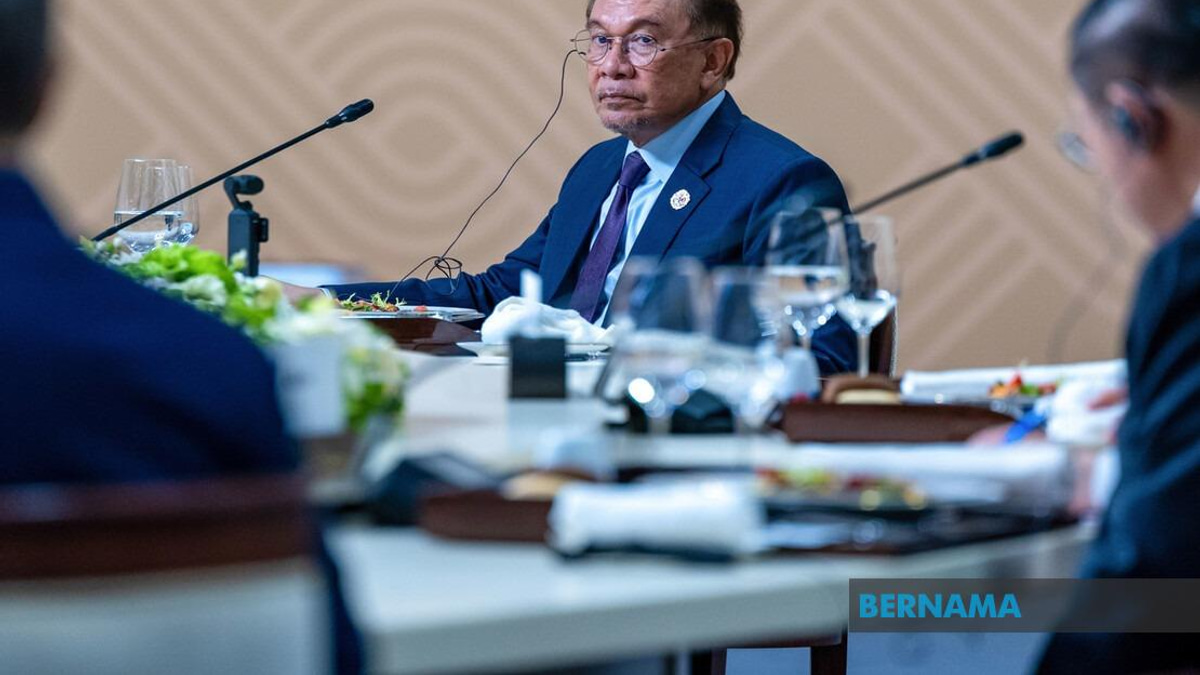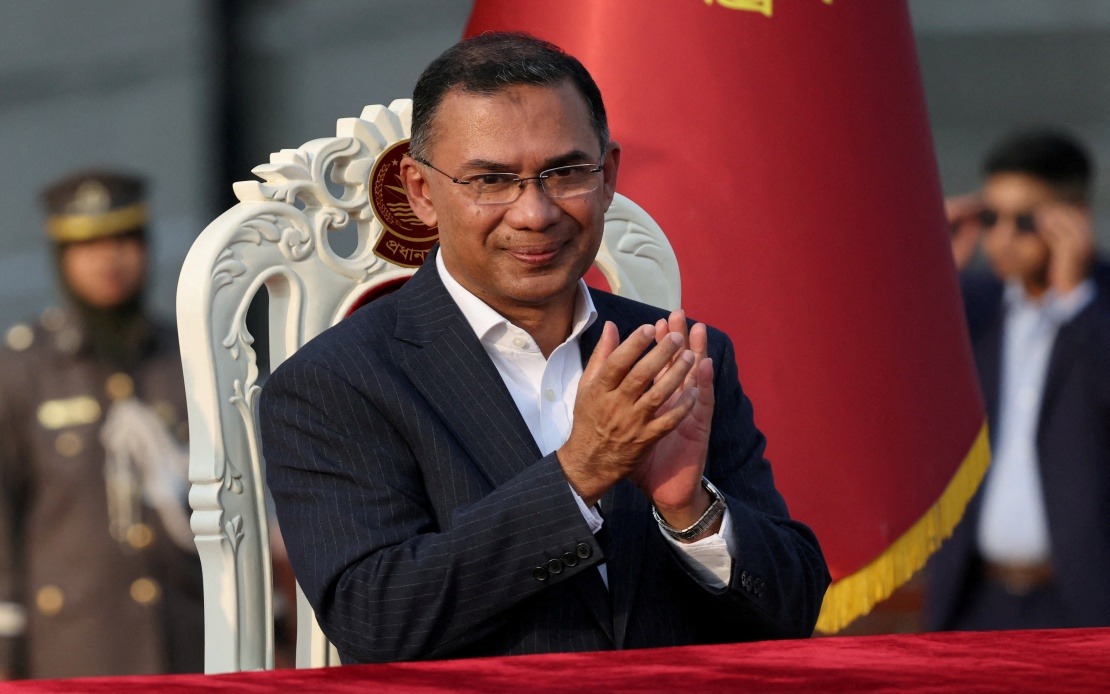
Bangladesh Prime Minister Tarique Rahman will arrive in Malaysia on June 22 for what marks his inaugural official bilateral visit to any nation since assuming the premiership in February 2026. The visit, undertaken at the invitation of Prime Minister Datuk Seri Anwar Ibrahim, underscores the strategic importance both governments place on their relationship and signals Bangladesh's pivot towards strengthening ties across Southeast Asia during its new leadership.
The timing of Rahman's choice to make Malaysia his first destination carries symbolic weight in regional diplomacy. Rather than visiting traditional powers or immediate neighbours, Bangladesh has prioritised engagement with a fellow Muslim-majority nation that bridges South and Southeast Asia. This selection reflects evolving geopolitical considerations as Bangladesh recalibrates its foreign policy orientation following recent political transitions. Malaysia's role as chair of the Organisation of Islamic Cooperation and a stable economic anchor in the region makes it a natural first port of call for the new administration in Dhaka.
Official proceedings will unfold at the Perdana Putra Complex, where both leaders will participate in a formal welcoming ceremony before conducting substantive bilateral talks. The structured agenda signals serious intent to move beyond courtesy exchanges and into concrete policy discussions. Anwar will host an official luncheon for the visiting delegation, a customary diplomatic courtesy that provides informal moments for leaders to build personal rapport and explore nuanced positions on bilateral and regional matters.
Delegation composition reveals organisational priorities. Rahman's wife Dr Zubaida Rahman, Foreign Minister Dr Khalilur Rahman, and senior government officials will accompany the Prime Minister. The inclusion of the foreign minister demonstrates that diplomatic, rather than ceremonial, objectives dominate the visit schedule. Economic and strategic negotiations are expected to take centre stage throughout the discussions.
Trading statistics illustrate the substantial economic foundation undergirding the bilateral relationship. In 2025, Malaysia-Bangladesh commerce reached RM12.18 billion, equivalent to approximately US$2.84 billion. Malaysian exporters shipped goods valued at RM10.08 billion, dominated by petroleum products that represent the bulk of the outflow. This energy trade remains crucial for Bangladesh's expanding industrial and power generation sectors, which continue to grow as the nation pursues middle-income status. Conversely, Bangladesh exported RM2.10 billion in goods to Malaysia, primarily textiles, apparel, and footwear—sectors where South Asian manufacturers maintain significant competitive advantages despite rising labour costs.
Regionally, Bangladesh ranks as Malaysia's second-largest trading partner in South Asia, a position exceeded only by India's vastly larger economic footprint. This standing reflects both nations' commitment to deepening commercial linkages and their recognition of mutual economic opportunity. Bangladesh's garment and textile industries remain integral to regional supply chains, while Malaysian investment and technology transfer initiatives offer pathways for Bangladeshi manufacturers to enhance productivity and product sophistication.
Bilateral cooperation frameworks will expand through formal agreements expected to be signed during the visit. A memorandum of understanding focused on cultural cooperation aims to strengthen people-to-people connectivity and cultural exchange initiatives. Simultaneously, two exchanges of notes addressing counter-terrorism research and investment promotion signal security and economic priorities. These instruments provide procedural scaffolding for sustained collaboration even as broader political relationships navigate fluctuations.
The counter-terrorism cooperation note carries particular significance in Southeast Asia's strategic context. Bangladesh faces persistent security challenges from extremist networks, while Malaysia hosts substantial business and diaspora communities requiring stable conditions. Enhanced intelligence sharing and research collaboration strengthen both nations' counter-insurgency capabilities while creating frameworks for managing shared threats. This dimension of the visit reflects recognition that development and prosperity require secure environments and effective governance responses to transnational security challenges.
Investment promotion mechanisms codified through formal notes acknowledge Malaysian companies' interest in Bangladesh's vast market and manufacturing potential. Malaysia's advanced technology sectors and financial expertise could support Bangladesh's economic diversification efforts, while Bangladesh's labour availability and growing consumer base attract Malaysian investors seeking regional expansion opportunities. Such frameworks reduce transaction costs and provide assurance to commercial actors contemplating cross-border ventures.
Sector-specific cooperation will receive sustained attention during discussions. Trade and investment acceleration remains foundational, but both governments intend to explore collaboration across semiconductors—where Malaysia possesses established expertise—energy transition initiatives, agricultural advancement, and educational partnerships. These sectors reflect complementary comparative advantages and development stage considerations. Malaysia's semiconductor industry maturity contrasts with Bangladesh's emerging capabilities, creating natural opportunities for technology transfer and joint ventures.
Educational collaboration deserves particular emphasis given Malaysia's universities' standing in the region and Bangladesh's expanding middle class seeking quality tertiary education. Scholarship arrangements, faculty exchanges, and research partnerships can deepen intellectual connections while building networks of Bangladeshi professionals with Malaysia-based experience and relationships. Such human capital investments generate returns extending far beyond initial investment periods.
The visit unfolds against broader regional dynamics as Southeast and South Asia navigate geopolitical realignments involving major powers. Bangladesh's decision to prioritise Malaysian engagement signals confidence in ASEAN-centred cooperation models and Malaysian diplomacy's role in regional stabilisation. For Malaysia, deepening Bangladesh ties expands its influence within South Asian affairs while reinforcing its significance as an economic and diplomatic hub.
Rahman's inaugural bilateral visit choice ultimately demonstrates strategic acuity. By selecting Malaysia, Bangladesh signals openness to broadened regional engagement while prioritising relationships with nations offering tangible economic and security benefits. The visit establishes foundations for expanded cooperation across multiple sectors while demonstrating both governments' commitment to translating bilateral declarations into substantive policy outcomes and commercial reality.