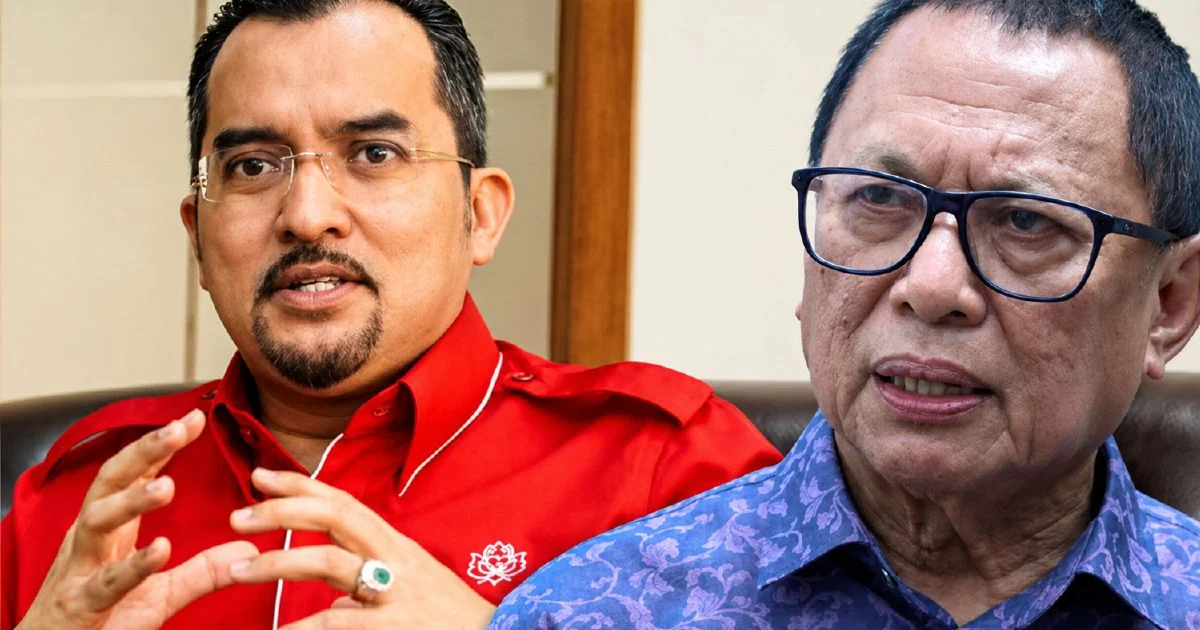
The Malaysian political landscape experienced fresh turbulence as Umno's top administrative official, Datuk Dr Asyraf Wajdi Dusuki, issued a forceful rebuttal against Datuk Dr Mohd Puad Zarkashi in Johor Baru, following the latter's departure from the party. The exchange marks another chapter in what appears to be deepening internal friction within Umno, the country's oldest political organisation and a pillar of the Barisan Nasional coalition that has governed Malaysia since independence.
The confrontation between these two senior figures carries significant implications for Umno's internal cohesion at a moment when the party faces mounting pressures from both within its own ranks and from competing political forces. Asyraf Wajdi, in his capacity as secretary-general, holds responsibility for managing party discipline and maintaining organisational integrity—roles that are increasingly tested when high-profile members publicly exit and make controversial statements about their reasons for doing so. His decision to respond directly rather than allow such claims to pass without comment suggests the party leadership views the matter as sufficiently serious to warrant public clarification.
Puad Zarkashi's departure from Umno represents a notable loss for the party, given his standing as an established member of its senior echelon. The manner of his exit, coupled with subsequent public statements, appears to have triggered alarm bells within party headquarters. Senior leaders frequently use their departures to air grievances or challenge party direction, and when they do so, the implications ripple through party structures at national and state levels. For Umno's general membership, such high-profile resignations often signal underlying tensions that the party hierarchy prefers to keep concealed.
The specific nature of Puad Zarkashi's allegations, particularly those relating to palace involvement or institutional irregularities, elevates this dispute beyond typical internal party quarrels. References to the royal establishment in Malaysian politics carry considerable weight, as the constitutional monarchy maintains significant ceremonial and advisory authority over governmental matters. Any claims touching upon the palace require careful handling by political actors, and Asyraf Wajdi's robust pushback likely reflects the party's concern that such assertions could damage both Umno's institutional standing and its relationship with the crown.
Aryaf Wajdi's response strategy appears designed to reassert the party's official narrative and prevent Puad Zarkashi's account from dominating public discourse. By engaging directly with the departing member's claims rather than ignoring them, the secretary-general signals that Umno will not permit dissenting voices to reshape the party's image without internal contestation. This approach, however, also risks prolonging the controversy if Puad Zarkashi chooses to escalate his public statements or if media coverage continues to amplify the dispute.
The timing of this confrontation deserves attention, as Umno continues navigating Malaysia's fractious political environment following recent electoral contests and ongoing discussions about coalition arrangements. Internal fractures at such moments can prove particularly damaging, potentially providing opportunities for rival parties to poach discontented members or for opposition voices to highlight supposed dysfunction within Malaysia's longest-established ruling party. For Umno members at grassroots level, such public disputes between senior figures often create confusion about party direction and can diminish morale among party workers and supporters.
For observers tracking Malaysian politics, the Asyraf Wajdi-Puad Zarkashi dispute exemplifies broader challenges facing Umno as it adjusts to Malaysia's contemporary political environment. The party faces pressure from younger members seeking reform, questions about its relevance amid changing voter demographics, and ongoing debates about its role within the Barisan Nasional framework. Senior figures who depart frequently become vocal critics, leveraging their insider knowledge and networks to challenge party leadership from outside its formal structures. Asyraf Wajdi's willingness to engage publicly demonstrates the party's determination to protect its institutional reputation.
The broader significance of this episode extends to Southeast Asian observers monitoring Malaysia's political stability. Umno's internal coherence affects not only Malaysian domestic politics but also regional diplomatic relationships and Malaysia's standing within Asean frameworks. A party perceived as internally divided may struggle to project consistent policy positions or maintain the decisive leadership that regional partners expect from the country. This makes senior-level disputes more than mere internal housekeeping; they carry implications for Malaysia's regional role and influence.
Moving forward, attention will focus on whether Asyraf Wajdi's response effectively closes this chapter or whether Puad Zarkashi pursues further public statements. The manner in which Umno manages this exit—balancing the need to defend its institutional credibility while preserving internal unity—will influence how the party handles similar departures in coming months. For Malaysia's broader political ecosystem, the incident underscores persistent questions about institutional resilience and the management of dissent within major political organisations.

