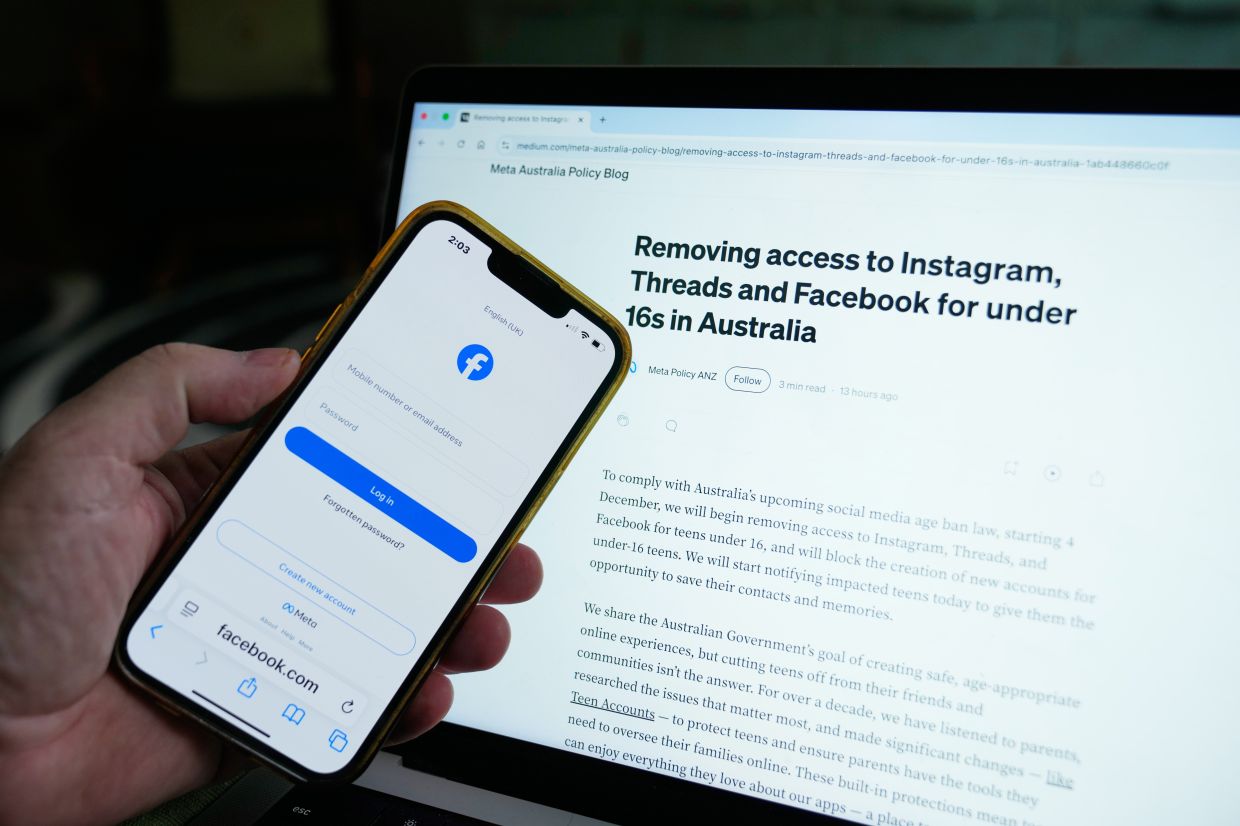
Australia's push to toughen enforcement of its landmark social media ban for children under 16 has stalled in Parliament, drawing sharp criticism from Prime Minister Anthony Albanese. The government introduced amendments to strengthen the hand of eSafety Commissioner Julie Inman Grant, the country's online safety watchdog, but the conservative opposition and Greens party have referred the draft legislation to an eight-week Senate inquiry, effectively delaying implementation. This procedural move has infuriated the Labour government, which lacks Senate majority control and views the delay as a gift to social media platforms seeking to evade compliance.
The proposed amendments would substantially expand Inman Grant's enforcement toolkit beyond her current, limited ability to request information from platforms. Under the new regime, she could demand detailed documents and supporting materials proving how platforms are implementing age verification and exclusion mechanisms. Most significantly, the changes would allow the commissioner to compel third parties—including age assurance technology providers and verification services—to cooperate with investigations into how children are circumventing the ban. These powers represent a fundamental shift from information gathering to active investigative authority, giving regulators the muscle to test platform claims about their compliance efforts.
Albanese has expressed frustration that the delay will undermine the ban's effectiveness. He argues that the timing matters because companies currently have an incentive to remove records and materials now, before demands become legally binding. Once the amendments pass, he contends, any retrospective demand for documents would enable the commissioner to issue fines based on violations that predate the new legislation. The government's logic suggests that platforms are using the political uncertainty to shield themselves from accountability, deleting evidence of inadequate compliance efforts while the parliamentary process unfolds.
The financial stakes for non-compliance have also increased substantially in the revised legislation. The maximum fine for platforms failing to take reasonable steps to exclude minors would double to A$99 million, equivalent to approximately US$68 million or RM276.56 million. This escalation reflects government concern that existing penalties lack teeth. However, the fact that no such fines have ever been issued under the original 2024 legislation—despite evidence of widespread compliance failure—raises questions about whether higher numbers alone will drive behavioural change without robust enforcement mechanisms.
The opposition Liberal Party and Greens senator David Shoebridge have questioned the amendments' substance and necessity. Shoebridge, who has consistently opposed the social media ban on principle, argues that doubling fines that have never been used fails to address the underlying problem. His skepticism extends to whether punitive measures represent the most effective approach to protecting children online. The opposition's communications spokesperson Sarah Henderson has taken a different tack, characterising the original ban as hastily conceived, poorly implemented, and fundamentally failing to achieve its objectives. Henderson suggests the amendments do not go far enough and should be substantially strengthened, though she has not detailed what additional measures she would support.
The credibility of Australia's ban has deteriorated markedly since implementation. When the legislation took effect in December, authorities initially reported that more than 5 million children had their accounts removed, deactivated, or restricted. These figures suggested swift and comprehensive compliance from platforms. However, subsequent monitoring by the eSafety Commissioner revealed a far grimmer reality. By March, just three months later, data showed that seven in ten children who held accounts on restricted platforms when the ban commenced were still active on Facebook, Instagram, Snapchat, and TikTok. This finding represents a massive enforcement failure, with roughly 70 percent of targeted users evading exclusion mechanisms.
The commissioner has escalated her response through legal channels, announcing in April her intention to pursue court action against the major non-compliant platforms—Facebook, Instagram, YouTube, and TikTok—alleging they have failed to implement reasonable exclusion measures. Conversely, she has publicly acknowledged satisfaction with progress from smaller platforms including X, Kick, Reddit, Threads, and Twitch. This mixed picture suggests that enforcement intensity and resource allocation may vary significantly depending on platform size and visibility, raising concerns about whether Australian regulators possess sufficient capacity to monitor all players simultaneously.
Communications Minister Anika Wells has confirmed receiving monthly briefings from the eSafety Commissioner since March, and her frank acknowledgment that improvements remain absent indicates mounting frustration within government. The twelve-month trend is decidedly negative, with platforms maintaining account access for minors despite the legislative prohibition and regulatory pressure. This context makes the Senate inquiry delay particularly consequential—every additional week allows social media companies to entrench their infrastructure and user bases, making future enforcement more technically challenging and economically costly.
The Australian ban has drawn international attention as countries worldwide contemplate similar restrictions. Singapore, Thailand, and New Zealand are among jurisdictions closely monitoring Australia's implementation to inform their own policy discussions. The political dysfunction and enforcement struggles currently unfolding in Australia carry cautionary implications for other governments considering comparable approaches. They illustrate that legislative bans alone, without robust enforcement mechanisms and sufficient regulatory power, may amount to symbolic gestures that platforms can navigate through technical loopholes and user behaviour workarounds.
The Senate inquiry represents a critical juncture. If the eight-week process merely extends existing delays without substantively improving the amendments, the government's ability to enforce compliance will remain compromised. Conversely, if the inquiry yields recommendations that strengthen enforcement architecture—such as enhanced powers for the commissioner or mandatory technology standards for platforms—the delay could ultimately improve legislation. For Malaysian policymakers and regional regulators contemplating child protection measures in the digital sphere, Australia's experience offers sobering lessons about the gap between legislative intent and enforcement reality, and the importance of vesting regulators with adequate investigative and punitive authority from inception.

