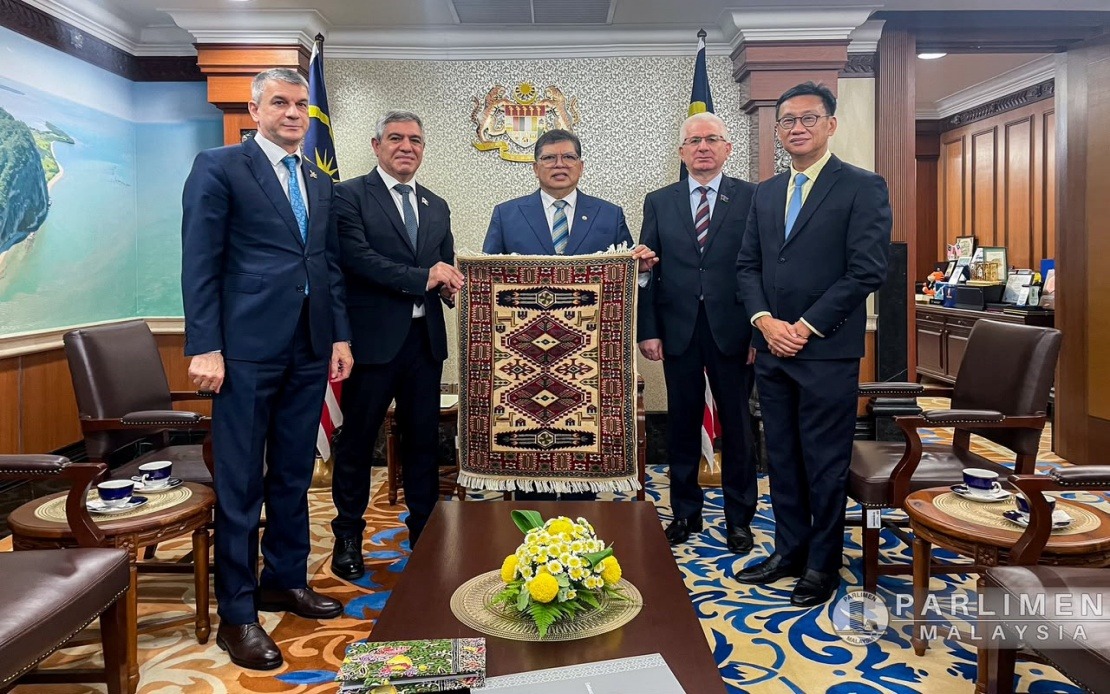
A senior Azerbaijani parliamentary delegation has concluded a working visit to Malaysia aimed at deepening institutional cooperation and unlocking fresh economic partnerships between the two nations. Vugar Bayramov, who chairs the Working Group for Azerbaijani-Malaysian Interparliamentary Relations in Azerbaijan's national legislature, spearheaded the mission alongside fellow parliamentarian Bakhtiyar Aliyev, signalling Baku's commitment to expanding engagement with Southeast Asia's largest economy.
The timing of this initiative reflects a broader effort by Azerbaijan to strengthen regional connections amid evolving geopolitical dynamics. For Malaysia, receiving such delegations underscores its strategic positioning as a hub for cross-continental dialogue and its role as a bridge between Europe, Asia and the Middle East. The visit demonstrates how parliamentary diplomacy serves as a foundational mechanism for states seeking to cultivate multi-layered relationships that extend beyond ceremonial exchanges into substantive areas of mutual interest.
During their stay, the Azerbaijani visitors engaged with Malaysia's highest legislative authorities. Bayramov and Aliyev held a courtesy meeting with Dewan Rakyat Speaker Tan Sri Johari Abdul, establishing direct communication channels at the apex of Malaysia's lower house. These interactions between parliamentary leadership carry symbolic weight, signalling institutional-level endorsement for deepening bilateral ties and creating conditions for sustained dialogue at technical and operational levels.
The delegation's itinerary incorporated engagement with Malaysian parliamentarians focused on international affairs. Wong Chen, who chairs the Special Select Committee on International Relations and International Trade, participated in discussions that likely centred on trade framework possibilities and regulatory harmonisation. Zahir Hassan, leading the West Asia Friendship Group, also met with the visitors, providing a dedicated platform for discussing shared interests across the broader West Asian region where Azerbaijan maintains significant geopolitical relevance.
Parallel meetings with Dewan Negara President Datuk Awang Bemee Awang Ali Basah indicated comprehensive parliamentary outreach spanning both chambers. These upper house engagements typically address longer-term strategic considerations and institutional frameworks, allowing discussion of legislative cooperation mechanisms and potential agreements that might formalise ongoing dialogue between the two parliaments.
Dewan Rakyat Speaker Johari provided distinctive insight into the visit's philosophical dimension, emphasizing how such engagements transcend transactional diplomacy. His observation that people-centred initiatives build human connections across borders reflects recognition that sustainable international relationships rest upon personal rapport and mutual understanding among decision-makers. During times marked by geopolitical fragmentation, these interpersonal bridges become particularly valuable for maintaining dialogue channels and fostering goodwill.
Economic dimensions anchored the delegation's broader agenda. Engagement with the Malaysian National Chamber of Commerce and Industry and representatives from over twenty Malaysian business entities demonstrated serious intent toward expanding commercial ties. S.Gnanasambanthan, the chamber's secretary-general, participated in these discussions, providing business community perspective on existing barriers and opportunities within the bilateral relationship.
The economic conversation specifically targeted business-to-business networking and tangible collaboration frameworks. Participants explored mechanisms for expanding trade volumes, identifying investment opportunities aligned with each nation's development priorities, and fostering direct connections among entrepreneurs and corporate entities. Such grassroots business engagement often generates more sustainable economic relationships than government-to-government arrangements alone, as commercial actors develop vested interests in maintaining stable bilateral environments.
Azerbaijan's strategic positioning as a transcontinental energy producer and transport corridor creates particular relevance for Malaysian business interests. Energy cooperation, logistics collaboration, and potential joint ventures in third markets represent areas where complementary interests might drive concrete outcomes. Malaysian companies increasingly seek diversified supply sources and regional partnerships beyond traditional Asian networks, while Azerbaijani entities look to expand market access and investment opportunities throughout Southeast Asia.
The visit occurs within Malaysia's broader strategic recalibration toward deepening relationships across diverse regions and civilisations. Rather than concentrating engagement within narrow geographic clusters, Malaysian diplomacy has emphasised selective partnership cultivation with nations offering distinctive advantages—whether in energy, technology, finance, or geopolitical influence. Azerbaijan's growing role in European energy security and regional stability makes it a logical partner for Malaysian policymakers assessing long-term positioning.
For Azerbaijan, the Malaysia engagement forms part of wider Southeast Asian outreach aimed at reducing diplomatic isolation and broadening support networks beyond traditional allies. Parliamentary delegations offer low-cost, high-return mechanisms for relationship building, creating multiple contact points among government, business and civil society without requiring major resource commitments or lengthy negotiation processes.
The visit's success ultimately depends upon whether preliminary discussions translate into concrete mechanisms—whether through signed parliamentary agreements, business council formations, trade facilitation protocols, or joint ventures. Establishing working groups and regular exchange schedules would institutionalise cooperation, preventing momentum from dissipating once the delegation returns home. Malaysian and Azerbaijani stakeholders possess clear incentives for follow-up action, suggesting momentum may continue into substantive collaborative frameworks addressing both political and economic dimensions.

