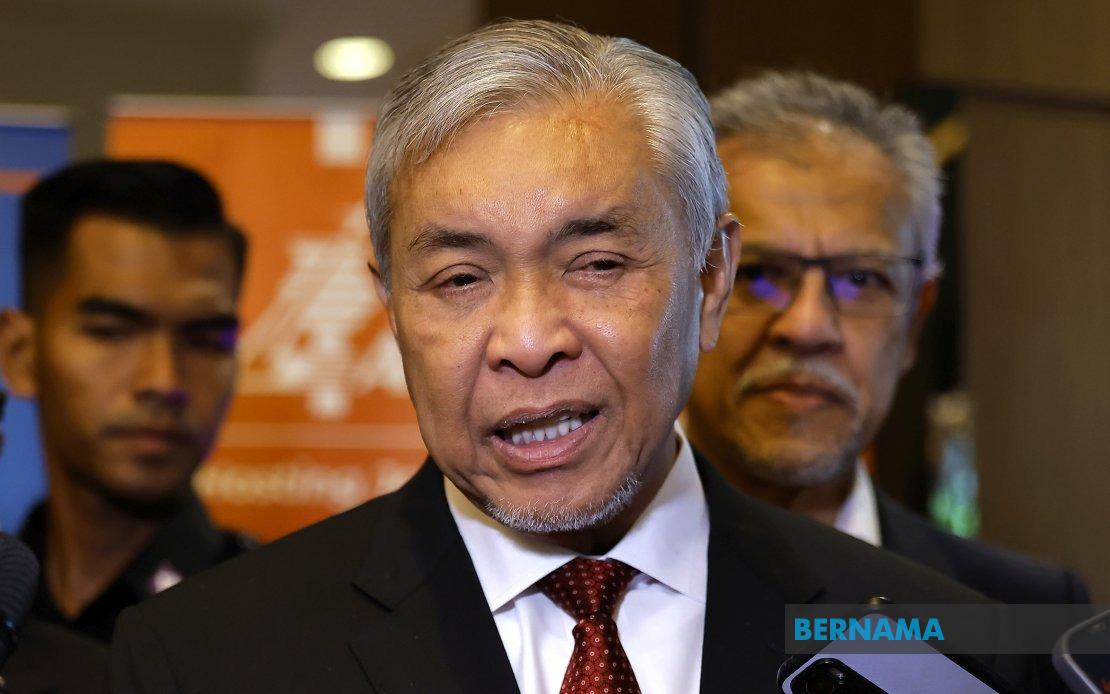
Malaysia's Sepang International Circuit is set to become the temporary home of the 2026 Bahrain Formula One Grand Prix this October, a development that Deputy Prime Minister Datuk Seri Dr Ahmad Zahid Hamidi believes will catalyse significant economic returns for the country despite Bahrain bearing the event's hosting costs. The arrangement represents an unconventional but strategically advantageous opportunity for Malaysia to leverage world-class sporting infrastructure while capitalising on the massive global audience that F1 commands.
The confirmation by Formula 1 and the International Automobile Federation (FIA) came yesterday, placing the race between the Azerbaijan and Singapore Grands Prix on the international calendar from October 2 to 4. While the formal agreement still requires final signatures and approvals from the World Motor Sport Council, the timeline suggests preparations at Sepang will commence imminently. Ahmad Zahid, speaking at the launch of the National Air Disaster Preparedness 2026 workshop, emphasised that although Bahrain absorbs the substantial financial burden of organising the race, Malaysia stands to gain considerably from the initiative through channels beyond immediate spectator spending.
The economic calculus underpinning this arrangement hinges on the unparalleled media reach that Formula One delivers. Ahmad Zahid noted that millions of people across the globe will witness the Sepang circuit through broadcast coverage, exposure that translates into invaluable international visibility for Malaysia as a sporting and tourism destination. This blanket coverage reaches not merely hundreds of millions but billions of viewers worldwide, fundamentally reshaping perceptions of Malaysia's capacity to host premier global events. For a nation seeking to position itself as a regional hub for business, leisure, and innovation, such exposure carries immeasurable promotional value that traditional advertising campaigns struggle to replicate.
Tourist arrivals represent the most tangible benefit from hosting the grand prix. The influx of international visitors attending the race, combined with the international attention generated by media presence, will drive demand for Malaysian hospitality, transportation, dining, and entertainment services. Hotels, restaurants, and retail establishments stand to benefit from heightened consumer spending during the event and the months surrounding it, as preparation and promotion cycles extend well beyond the three-day race weekend. More significantly, the international exposure cultivated through F1 broadcasting creates a halo effect that encourages leisure tourism in subsequent years, as potential visitors develop familiarity with and curiosity about Malaysia through sports entertainment.
Yet Ahmad Zahid's vision extends beyond immediate tourism metrics. He articulated a longer-term strategic objective: leveraging this successful hosting experience as a springboard for Malaysia to eventually bring Formula One back as a permanent fixture on the calendar. This ambition necessitates sustained government commitment and robust corporate sponsorship mechanisms that can institutionalise Malaysia's presence in elite motorsport. The deputy prime minister drew explicit parallels with MotoGP, another premium racing series hosted at Sepang, illustrating how strategic partnerships and multi-layered funding approaches can sustain major sporting events over the long term. He highlighted that Cabinet guidance, following the Prime Minister's directive, shifted the MotoGP funding model away from reliance on sport ministry allocations alone, instead cultivating sponsorships and development initiatives that distribute financial responsibility across multiple stakeholders.
The underutilisation of Sepang's world-class facilities presents both challenge and opportunity. The circuit, which boasts infrastructure meeting international standards, has operated primarily as a MotoGP venue in recent years, leaving significant capacity for additional marquee events. Hosting Formula One periodically maximises returns on the substantial investments made in constructing and maintaining the facility, while simultaneously demonstrating its viability as a multi-purpose sporting venue capable of handling the operational complexity that F1 demands. This fuller utilisation strengthens the economic justification for continued capital investment in circuit improvements and ancillary facilities.
From a regional perspective, Malaysia's hosting of the Bahrain F1 Grand Prix reinforces Southeast Asia's credentials as a serious motorsport destination. The arrangement positions Malaysia between two other major Formula One events on the calendar, with Singapore's Grand Prix representing the region's most established F1 fixture. This clustering of Asian races elevates the attractiveness of the region to international teams, sponsors, media organisations, and dedicated motorsport enthusiasts, creating network effects that benefit all participants. Malaysia's participation in this regional motorsport ecosystem strengthens its positioning as a gateway to Southeast Asian markets and investment opportunities.
The corporate sponsorship dimension that Ahmad Zahid emphasised remains critical to translating one-off hosting opportunities into sustained competitive advantage. The success of the 2026 event will largely depend on securing title sponsors and presenting Malaysia as an attractive platform for brand positioning to multinational corporations. The visibility that Formula One delivers—reaching affluent, globally-minded demographics with high purchasing power—appeals powerfully to premium brands seeking international exposure. Successful sponsorship arrangements not only offset operational costs but generate revenue that can fund subsequent sporting events or infrastructure enhancement, establishing a virtuous cycle of investment and return.
Investment attraction represents perhaps the subtler but equally significant benefit. International investors often evaluate emerging markets partly through their demonstrated capacity to host globally significant events. Successful Formula One hosting sends powerful signals about Malaysia's operational competence, rule of law, infrastructure quality, and business environment sophistication. Corporate decision-makers touring the country for the race encounter the broader investment ecosystem firsthand, generating business opportunities and partnership discussions that might not otherwise materialise. The competitive advantage of host-country familiarity and relationship-building during major international events often translates into tangible commercial transactions in subsequent years.
The arrangement also carries diplomatic undertones worth noting. The hosting of the Bahrain F1 Grand Prix at Sepang represents a bilateral cooperation between Malaysia and Bahrain, albeit with unusual structural dynamics given that Bahrain bears the financial burden while Malaysia hosts. This arrangement potentially reflects broader strategic considerations within the F1 calendar management and regional relationships. For Malaysia, cooperating with Bahrain on such a high-profile initiative enhances bilateral relations and positions Malaysia as a reliable partner for international sporting ventures, potentially opening doors to future collaborations across various sectors.
Looking forward, the success metrics for October's event extend beyond simple attendance figures or broadcast ratings. The Malaysian government will evaluate whether the race successfully attracts international investors expressing interest in the country's broader economic opportunities, whether tourism infrastructure accommodates demand effectively, and whether post-event follow-up generates lasting commercial relationships. These outcomes will inform Malaysia's approach to pursuing Formula One's return as a permanent fixture, a goal that Ahmad Zahid clearly envisions as achievable through the combination of proven hosting capability, dedicated funding mechanisms, and strategic corporate partnerships that he referenced in his remarks.

