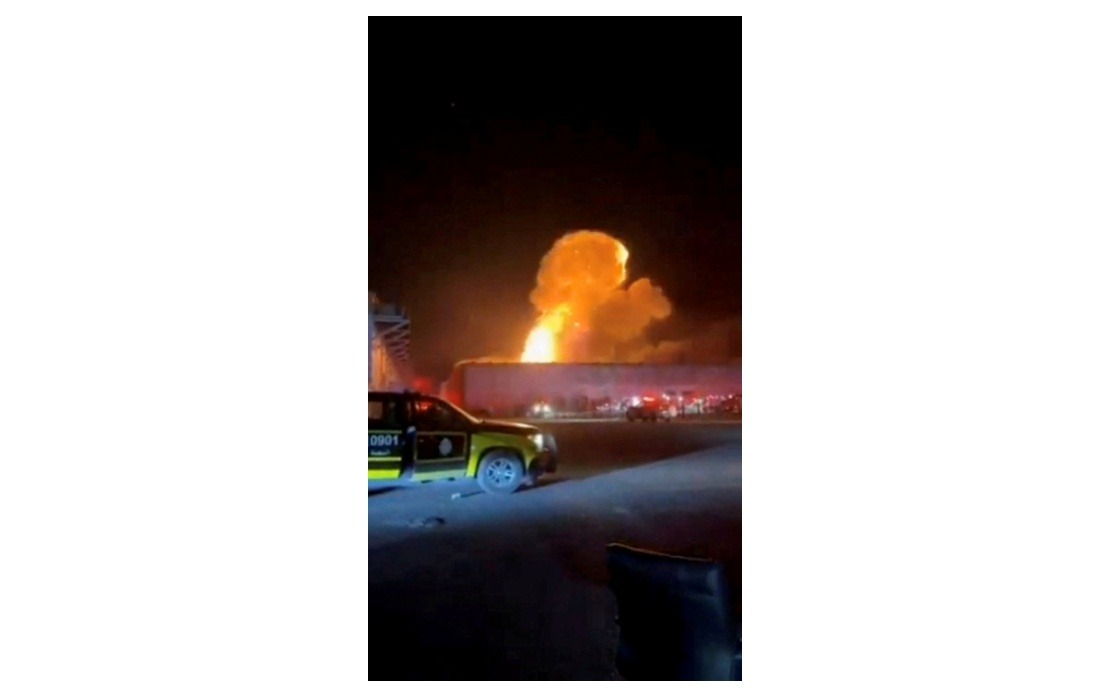
The Arabian Gulf descended into heightened alert status on Friday as three key nations simultaneously activated emergency response systems following a wave of missile and drone attacks. Bahrain, Qatar, and Kuwait all issued urgent public safety directives, signalling a dangerous escalation in an already volatile region where Malaysian shipping interests face mounting risks through key waterways. The coordinated activation of warning sirens across the region underscored the serious nature of the threat, with residents in each country instructed to seek immediate shelter in designated safe locations.
Kuwait became the focal point of Friday's security crisis when its military confirmed that the nation's air defence systems were actively engaging incoming hostile missiles and drones. While the Kuwaiti Interior Ministry provided limited tactical details, the very acknowledgement of such attacks—and the public activation of sirens—represented a significant escalation from earlier periods of regional posturing. The fact that Kuwait's air defence systems were deployed in active defence suggests the attacks were not merely symbolic gestures but posed genuine kinetic threats to critical infrastructure and populated areas. For Malaysia and other trading nations dependent on Kuwait's ports and the broader Gulf corridor, such incidents introduce unpredictable risks to maritime operations and commercial stability.
Bahrain's response followed swiftly, with the Interior Ministry deploying an extensive public alert system designed to channel civilians toward protected areas. The kingdom, which hosts the US Fifth Fleet headquarters at Manama, has long served as a lightning rod for regional tensions owing to its strategic military significance. The activation of warning sirens reflected genuine concern among Bahraini authorities that the threat environment had crossed from theoretical to immediate. For Malaysian businesses and individuals operating in Bahrain—a significant financial and trading hub in the Gulf—such alarms raised serious questions about the sustainability of commercial and diplomatic operations in the coming weeks.
Qatar similarly mobilised its public safety apparatus, with the Interior Ministry explicitly cautioning the population that security threat levels had reached a heightened state. Citizens were advised to remain indoors and avoid unnecessary movement, a precaution that goes beyond routine safety messaging and suggests Qatari officials assessed the risk as substantial enough to warrant significant restrictions on public life. Qatar's positioning as both a major energy exporter and diplomatic player in regional affairs meant that any sustained security crisis there would have ramifications far beyond its borders, affecting global energy markets and international political calculations.
The immediate trigger for Friday's alerts stemmed from Iranian military operations. The Iranian army announced it had launched drone strikes specifically targeting a US military installation in Bahrain, marking a tactical escalation in the ongoing confrontation between Tehran and Washington. This revelation provided crucial context for understanding why three neighbouring states simultaneously activated emergency protocols—they faced a genuine, imminent threat environment rather than engaging in precautionary theatrics. The specificity of Iran's targeting of American military assets suggested a calculated strategy to demonstrate capability and resolve without necessarily seeking to ignite all-out regional conflict.
The current crisis must be understood against the backdrop of months of escalating tension dating to February, when the United States and Israel launched coordinated military operations against Iran. Tehran responded with its own missile and drone campaign targeting Gulf states hosting American military infrastructure. This tit-for-tat pattern of attack and retaliation had created a self-perpetuating cycle of threat and counter-threat that showed few signs of de-escalation, despite diplomatic efforts. Malaysian policymakers and business leaders watching these developments recognised that the region faced not a one-time crisis but an entrenched pattern of hostility that could persist for extended periods.
Despite serious diplomatic engagement, tensions had paradoxically worsened rather than improved. Last month, Pakistan had brokered a framework agreement between Iran and the United States aimed at terminating their conflict and establishing a durable peace arrangement. The framework suggested both sides possessed sufficient mutual interest in de-escalation to at least explore diplomatic pathways. Yet the subsequent escalation in attacks and counter-attacks, particularly concentrated around the Strait of Hormuz, indicated that diplomatic agreements had failed to translate into meaningful behavioural change. The Strait, through which approximately one-third of global seaborne traded petroleum transits, remained a flashpoint where Iranian and American forces engaged in tense maritime operations that could easily spiral beyond current parameters.
The Strait of Hormuz holds particular significance for Malaysia's economic interests. As a major trading nation heavily dependent on imports of crude oil and liquefied natural gas from the Gulf, Malaysia faces direct exposure to any disruption in shipping through these waters. The recent escalation of attacks and counter-attacks in and around the Strait introduced genuine uncertainty about the reliability of these supply chains. Insurance premiums for vessels transiting the region have already begun reflecting the heightened threat environment, and any further deterioration could impose significant economic costs on Malaysian importers and consumers.
The activation of civilian alert systems across three separate nations on the same day represented an unusually coordinated regional response, suggesting intelligence sharing and mutual recognition of an acute threat environment. This coordination itself carried implications—it demonstrated that despite varying bilateral relationships with both the United States and Iran, the Gulf states recognised that missile and drone attacks transcended traditional alliance politics and posed common dangers to civilian populations. For Malaysia, observing how regional states managed this collective security challenge offered lessons in how smaller nations navigate great power confrontations.
Looking ahead, the pattern of escalation visible in Friday's events suggested the region faced a prolonged period of instability. The failure of the Pakistani-brokered framework agreement to produce meaningful de-escalation indicated that diplomatic mechanisms alone would struggle to contain the cycle of attack and counter-attack. Malaysian policymakers increasingly recognised the need to develop contingency plans for extended disruptions to Gulf trade routes and energy supplies. Airlines, shipping companies, and energy importers began reassessing their operational assumptions based on the recognition that the current crisis environment might persist for months rather than weeks.
The Gulf states' activation of public alert systems also raised broader questions about the sustainability of normal commercial and diplomatic operations under conditions of sustained threat. If civilian populations required regular activation of emergency protocols, the economic and social costs would accumulate rapidly. For Malaysia's regional diplomatic and commercial presence, this dynamic suggested the need for careful calibration of engagement strategies that maintained business relationships while acknowledging real security constraints.
Ultimately, Friday's coordinated activation of emergency alerts across the Gulf reflected a region in genuine distress. The failure of recent diplomatic initiatives to arrest escalation patterns, combined with the demonstrated willingness of both Iran and its opponents to conduct kinetic operations, created genuine uncertainty about the near-term trajectory of regional stability. Malaysia and other nations dependent on Gulf trade and energy faced an environment requiring enhanced risk management, contingency planning, and diplomatic engagement aimed at supporting de-escalation efforts that had thus far proven insufficient to contain the spiral of hostility.

