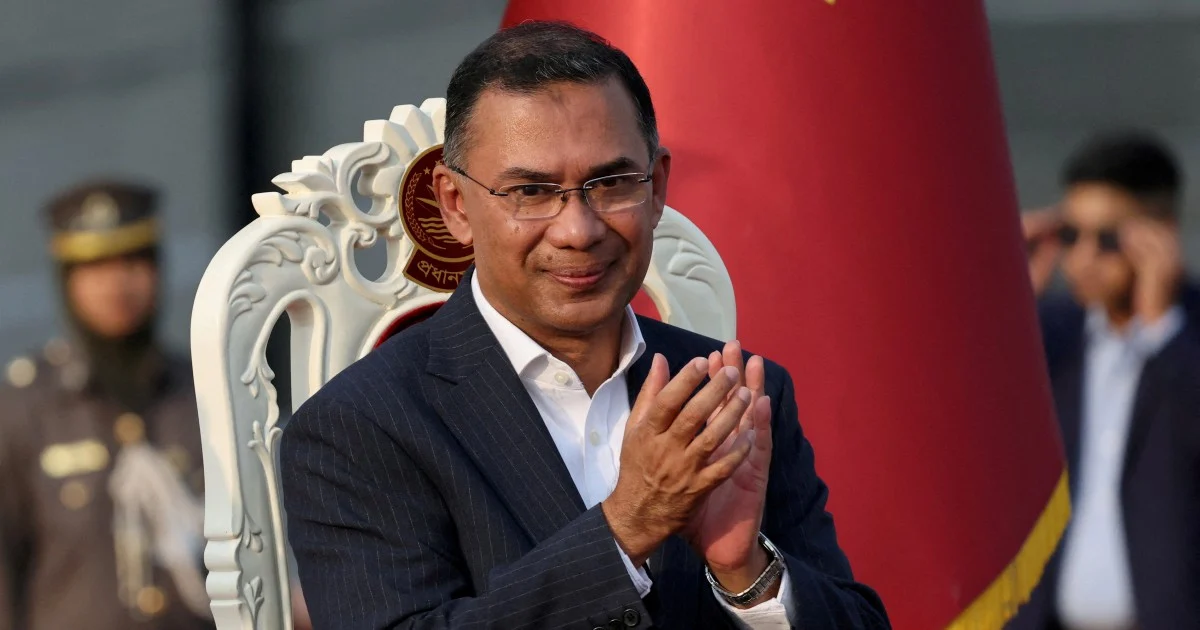
Bangladesh Prime Minister Tarique Rahman touched down in Malaysia today, beginning an official visit that signals renewed diplomatic momentum between the two South Asian and Southeast Asian neighbours. The visit, which takes place amid evolving regional dynamics in South Asia and ASEAN, underscores both countries' commitment to building on longstanding ties that extend across trade, cultural exchange, and development cooperation.
Rahman's arrival at Kuala Lumpur International Airport in Sepang marks a significant diplomatic engagement, arriving at a time when Bangladesh is navigating substantial domestic transformation following recent political changes. The visit is expected to encompass a range of bilateral meetings with Malaysian government officials, including discussions with Prime Minister Anwar Ibrahim and other senior cabinet members who oversee portfolios relevant to bilateral cooperation.
Malaysia and Bangladesh share considerable historical and cultural bonds rooted in Islam and regional solidarity. Both nations maintain active memberships in major multilateral forums including the Organisation of Islamic Cooperation and ASEAN's broader regional architecture. The bilateral relationship encompasses consular services for the significant number of Malaysian and Bangladeshi nationals working and studying in each other's countries, making people-to-people connections a tangible element of the partnership.
Trade relations between Malaysia and Bangladesh have grown incrementally over recent decades, though both governments and business communities recognise substantial untapped potential. Malaysian investment in Bangladesh's manufacturing and textile sectors remains modest relative to opportunities, while Bangladesh's growing pharmaceutical industry presents openings for Malaysian firms seeking regional expansion. The visit is anticipated to include business roundtables and sector-specific discussions aimed at identifying concrete collaboration frameworks that extend beyond traditional trade.
Infrastructure cooperation and development financing represent additional areas where both nations can explore deeper engagement. Bangladesh's ongoing development of port infrastructure, rail corridors, and telecommunications networks aligns with Malaysia's expertise in project implementation and fund mobilisation. The visit may generate commitments for Malaysian technical assistance or joint ventures in priority development projects, mirroring patterns of South-South cooperation increasingly prevalent across the region.
Educational and scientific partnerships form another dimension of the bilateral relationship that both governments are likely to prioritise. Malaysian universities attract Bangladeshi postgraduate students, particularly in engineering and business disciplines, while both nations' research institutions work on shared challenges including food security, climate adaptation, and sustainable agriculture. Formalising additional scholarship programmes or establishing research consortia could emerge as tangible outcomes of discussions during this visit.
From Malaysia's perspective, deepening ties with Bangladesh reflects the country's broader Indo-Pacific strategy and commitment to maintaining balanced engagement with major South Asian actors. As Bangladesh grows in geopolitical significance due to its location along major shipping lanes and its substantial economic potential, Malaysia has strategic incentives to cultivate a relationship that remains constructive across multiple domains. This positioning also allows Malaysia to contribute to regional stability narratives that extend beyond traditional ASEAN focus.
Bangladesh's government, meanwhile, appears committed to diversifying its diplomatic and economic partnerships beyond traditional relationships with India and China. A meaningful engagement with Malaysia opens pathways to deeper Southeast Asian integration and access to ASEAN economic frameworks that could benefit Bangladeshi exporters and investors. The visit thus carries implicit messages about Bangladesh's willingness to develop a more regionally integrated foreign policy approach.
Cultural diplomacy will likely feature in discussions, recognising the shared Islamic heritage and potential for enhanced people-to-people engagement through film, literature, and artistic collaborations. Malaysian media has traditionally maintained interest in South Asian affairs, while Bangladeshi diaspora communities in Malaysia serve as cultural bridges. Facilitating greater cultural exchanges could strengthen emotional investment in bilateral relations among both populations.
The timing of this visit reflects broader dynamics in regional politics, where traditional power centres in Asia are reassessing partnerships in light of shifting geopolitical alignments. Malaysia's role as a respected ASEAN voice and bridge-builder positions it strategically to engage constructively with South Asian nations. Bangladesh's forward-looking diplomatic approach suggests openness to partnerships that advance mutual development objectives rather than zero-sum competition.
While specific outcomes will become clearer through official statements and subsequent announcements, Rahman's visit represents an investment in relationship continuity and institutional strengthening. Joint commissions, bilateral dialogue frameworks, and regular high-level visits establish the infrastructure for sustained engagement even when immediate crisis or opportunity does not create urgency. For both governments, such routine diplomatic engagement builds trust and creates pathways for rapid cooperation when opportunities or challenges emerge.
The visit also occurs within the broader context of ASEAN-South Asian relations, where initiatives like the Bangladesh-China-India-Myanmar economic corridor intersect with ASEAN's own development priorities. Malaysia's engagement with Bangladesh can subtly reinforce ASEAN's role as a balancing actor in regional affairs while avoiding the perception of alignment with specific external powers seeking influence in the Indo-Pacific region.
%22%2F%3E%3C%2Fpattern%3E%3C%2Fdefs%3E%3Crect%20width%3D%22100%25%22%20height%3D%22100%25%22%20fill%3D%22url(%23ph3fy3lg)%22%2F%3E%3Crect%20width%3D%22100%25%22%20height%3D%22100%25%22%20fill%3D%22url(%23ph3fy3lp)%22%2F%3E%3Ctext%20x%3D%2250%25%22%20y%3D%2250%25%22%20text-anchor%3D%22middle%22%20dominant-baseline%3D%22central%22%20fill%3D%22rgba(255%2C255%2C255%2C0.95)%22%20font-family%3D%22Georgia%2C%20'Times%20New%20Roman'%2C%20serif%22%20font-weight%3D%22700%22%20font-size%3D%22226%22%20letter-spacing%3D%22-0.02em%22%3EMosque%3C%2Ftext%3E%3C%2Fsvg%3E)
%22%2F%3E%3C%2Fpattern%3E%3C%2Fdefs%3E%3Crect%20width%3D%22100%25%22%20height%3D%22100%25%22%20fill%3D%22url(%23ph1dbreg)%22%2F%3E%3Crect%20width%3D%22100%25%22%20height%3D%22100%25%22%20fill%3D%22url(%23ph1dbrep)%22%2F%3E%3Ctext%20x%3D%2250%25%22%20y%3D%2250%25%22%20text-anchor%3D%22middle%22%20dominant-baseline%3D%22central%22%20fill%3D%22rgba(255%2C255%2C255%2C0.95)%22%20font-family%3D%22Georgia%2C%20'Times%20New%20Roman'%2C%20serif%22%20font-weight%3D%22700%22%20font-size%3D%22151%22%20letter-spacing%3D%22-0.02em%22%3EMalaysian%3C%2Ftext%3E%3C%2Fsvg%3E)