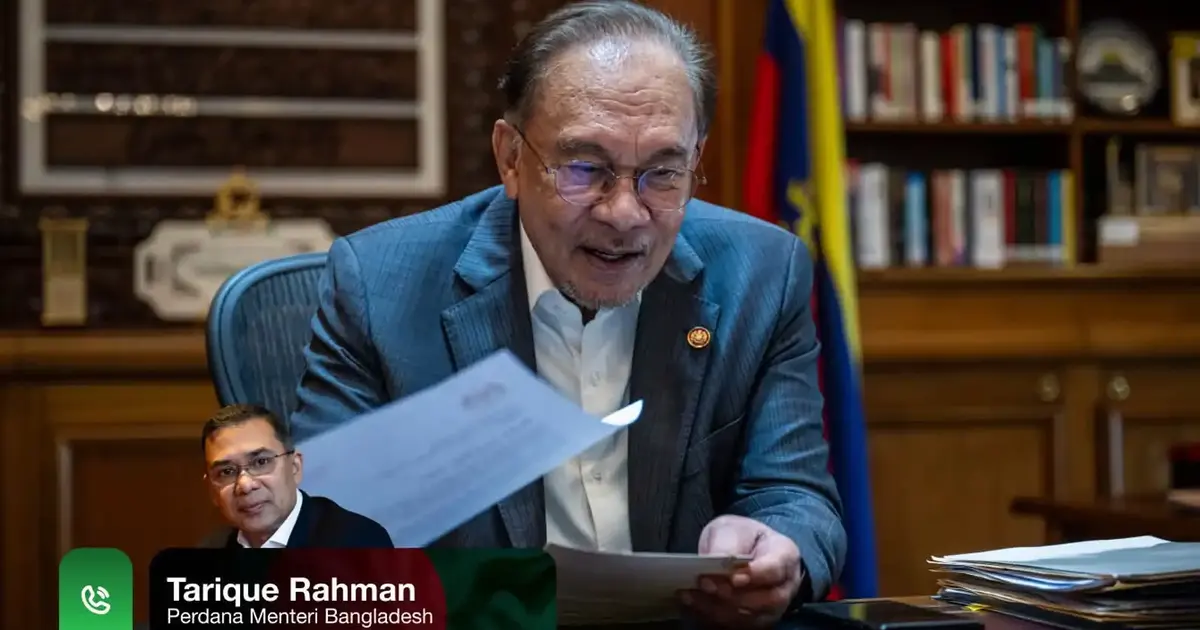
Malaysia has been asked to assist Bangladesh in resolving an escalating energy crisis centred on liquefied natural gas availability. Prime Minister Anwar Ibrahim disclosed that Bangladesh Prime Minister Tarique Rahman raised the matter during a telephone conversation, signalling the growing strain on Dhaka's power infrastructure and its urgent need to tap regional partnerships for relief.
The request represents a significant diplomatic overture from Bangladesh to a fellow Southeast Asian economy with established energy resources and infrastructure. Malaysia, as a long-standing LNG exporter with considerable production capacity and existing supply networks across Asia, positions itself as a natural partner for countries facing fuel shortages. The timing of Rahman's appeal underscores the pressing nature of Bangladesh's predicament and the limited alternatives available to address immediate energy demands.
Bangladesh's energy sector has faced mounting pressures from rapid industrialisation, population growth, and increasing electricity consumption across urban and rural regions. The nation has historically relied on domestic natural gas reserves, which have become depleted over decades of exploitation. This dependency on dwindling domestic supplies has left Bangladesh increasingly vulnerable to supply disruptions and forced the government to seek emergency solutions through international channels.
The LNG shortage affecting Bangladesh reflects broader regional energy dynamics in South Asia, where several nations compete for limited global supplies while managing competing developmental priorities. Bangladesh's power generation infrastructure, heavily dependent on gas-fired plants, cannot function at optimal capacity without consistent fuel access. Rolling blackouts and industrial curtailments have already begun impacting economic activity, prompting the government to explore every viable procurement avenue.
Malaysia's role in this scenario carries particular significance given the nations' historical commercial ties and geographic proximity within the Asian region. Malaysian LNG, sourced from the country's abundant natural gas reserves in Sabah and Sarawak, has long been marketed across Asian markets. The infrastructure connecting Malaysian production facilities to international markets provides an established pathway for rapid deployment of supplies if agreements can be negotiated.
Anwar's confirmation of the request suggests that Malaysia is seriously considering Bangladesh's plea. Malaysian government officials would need to evaluate multiple factors including current domestic demand, existing contractual commitments to other buyers, storage and logistics capabilities, and the commercial terms under which additional supplies could be made available. Any decision would ultimately balance Malaysia's own energy security requirements against regional solidarity and commercial opportunity.
The bilateral conversation between Anwar and Rahman also likely touched on broader cooperation frameworks and the possibility of longer-term energy partnerships. Beyond immediate emergency supplies, Bangladesh may be exploring structured import arrangements that could provide reliable medium-term access to LNG. Such arrangements would require government-to-government coordination, regulatory approvals, and involvement from relevant energy companies in both nations.
From a Malaysian perspective, assisting Bangladesh could enhance Kuala Lumpur's influence within ASEAN and demonstrate regional leadership in addressing critical development challenges. Energy security has become increasingly politicised across Asia, with supplier nations gaining diplomatic leverage through their ability to allocate scarce resources. Malaysia's response to Bangladesh's appeal will send important signals about Malaysia's willingness to support neighbouring economies during crises.
The energy shortage facing Bangladesh also reflects vulnerabilities inherent in rapid development strategies that become overly dependent on single fuel sources. As Bangladesh continues its industrial expansion and urbanisation, policymakers will need to diversify energy portfolios to include renewable sources, coal, and imported fuels in more balanced proportions. Short-term emergency measures like LNG imports provide breathing room, but long-term sustainability requires structural reforms in energy planning.
Regional energy cooperation mechanisms within South Asia and between South and Southeast Asia remain underdeveloped compared to their potential. Bangladesh's outreach to Malaysia could catalyse broader discussions about establishing more formal energy trading frameworks and supply agreements among ASEAN members and neighbouring South Asian economies. Such arrangements would enhance collective regional resilience while creating new commercial opportunities for energy-exporting nations.
The practical implementation of any Malaysian assistance would depend on logistics coordination, including shipping arrangements and receiving facilities. Bangladesh would need to ensure adequate infrastructure exists or can be rapidly developed to receive and regasify imported LNG. These technical requirements mean that even urgent requests require lead time to execute properly.
Government-level support for energy cooperation often paves the way for private sector involvement from energy companies in both nations. Malaysian firms with LNG expertise and logistics experience could potentially play roles in facilitating arrangements, though any major transactions would likely involve state-linked entities given the strategic nature of energy supplies.

