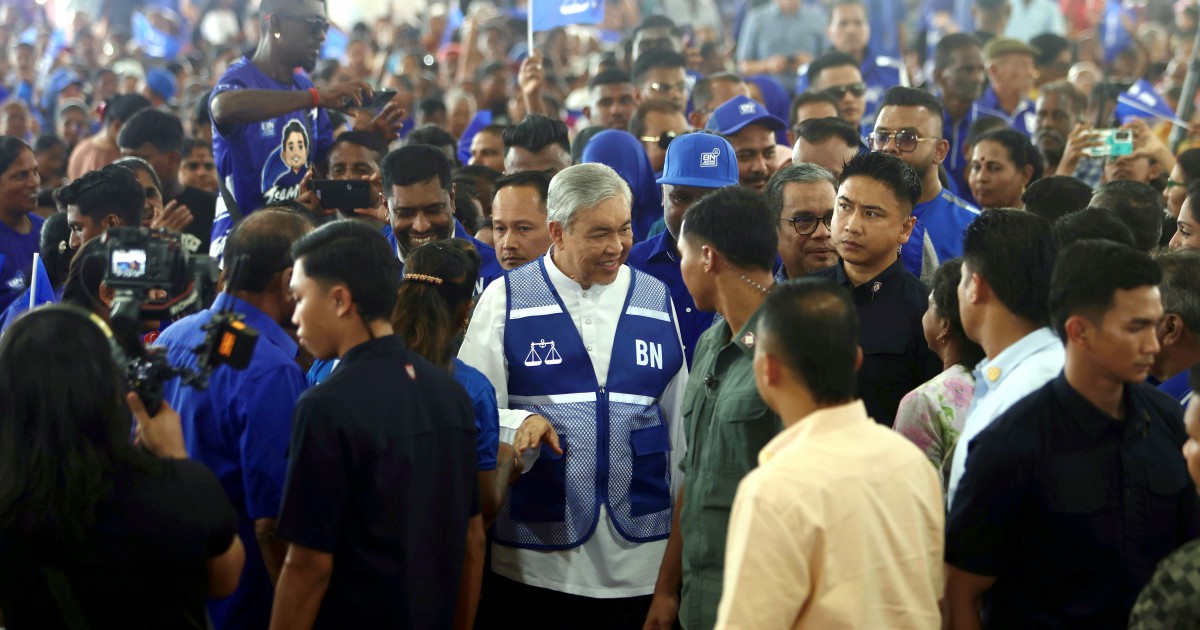
Barisan Nasional has indicated a willingness to engage in discussions with Perikatan Nasional regarding electoral cooperation for the upcoming Melaka state election, according to statements made in Jempol. This overture signals an important pivot in the increasingly fluid landscape of Malaysian coalition politics, where established alliances continue to evolve in response to changing political circumstances and local dynamics across the country's states.
The willingness to explore talks represents a notable development for Barisan Nasional, traditionally the dominant federal coalition, as it navigates the contemporary political environment. Perikatan Nasional, which emerged as a significant political force following the 2020 general election and consolidated its position through subsequent state-level victories, has become an unavoidable factor in electoral calculations across multiple states. The potential for coordination between these two major coalitions could reshape the competitive landscape in Melaka, a state with considerable strategic importance given its position along the western seaboard and its historical significance in Malaysian politics.
Melaka has experienced considerable political volatility in recent years, with multiple elections and shifts in state government control demonstrating the precarious nature of political dominance in the state. The electoral landscape there has become increasingly unpredictable, with voter preferences showing greater flexibility and willingness to shift between established coalitions. This instability creates both challenges and opportunities for national political formations seeking to maintain influence. For Barisan Nasional, which has traditionally viewed Melaka as part of its core base, acknowledging the need for potential dialogue with Perikatan Nasional reflects pragmatic recognition of contemporary realities.
The timing of such overtures is significant within Malaysia's current political context. With mounting pressure to demonstrate electoral viability and the prospect of a fresh poll in Melaka, both coalitions face incentives to explore arrangements that might deliver political stability or electoral advantage. Rather than pursuing an all-or-nothing competitive approach that could fracture voter support, coalition leaders appear inclined toward exploring whether cooperation might yield mutually beneficial outcomes. This reflects lessons learned from previous electoral contests where divided opposition or competing coalitions led to unexpected results.
For Perikatan Nasional, the prospect of engaging with Barisan Nasional in negotiations underscores its evolving status within the Malaysian political system. What began as a loose alliance of component parties has matured into an organization capable of negotiating on equal terms with established formations. The fact that Barisan Nasional would seek to discuss electoral understanding with Perikatan Nasional indicates recognition of the latter's capacity to influence outcomes in critical constituencies and states. This represents considerable progress for a coalition that faced considerable skepticism when it first emerged.
From a regional perspective, developments in Melaka reverberate across Peninsular Malaysia. The state serves as a microcosm for broader national political trends and often provides early indicators of shifting voter sentiment. Electoral outcomes in Melaka frequently influence political calculations in surrounding states and inform strategies pursued by national coalitions. A cooperative arrangement or competitive contest in Melaka could establish patterns that other states observe closely when managing their own political arrangements and electoral schedules.
The component parties within both coalitions will monitor these discussions with considerable interest, given that electoral cooperation inevitably involves compromises regarding candidate selection and resource allocation. Barisan Nasional comprises parties including UMNO, MCA, MIC, and smaller allied formations, each with distinct interests and constituencies in Melaka. Similarly, Perikatan Nasional brings together different organizational entities with varying priorities. Reconciling these internal considerations while pursuing coalition-level objectives represents a persistent challenge in any negotiation process.
The broader implications extend to questions about Malaysia's democratic system and coalition governance. The willingness of major political formations to engage in dialogue, rather than pursuing scorched-earth electoral competition, suggests maturation in political culture. However, such arrangements must be carefully balanced against the principle of open electoral competition and voter choice. Malaysians will be watching to see whether any eventual understanding serves the interests of constituents or primarily benefits political elites seeking to avoid unpredictable electoral outcomes.
Economic factors may also influence Melaka's political dynamics moving forward. The state's economy, reliant on tourism, manufacturing, and increasingly digital commerce, faces evolving challenges requiring consistent governance and long-term planning. Voters may prioritize parties and coalitions demonstrating capacity to manage state resources effectively regardless of their formal coalition alignment. This suggests that electoral discussions between Barisan Nasional and Perikatan Nasional must ultimately satisfy voter expectations for competent administration.
As discussions potentially unfold, the political environment remains uncertain. Other state-level actors, including independent candidates and smaller parties, may seek to exploit any opportunities arising from negotiations between major coalitions. The eventual outcome in Melaka will depend not only on discussions between Barisan Nasional and Perikatan Nasional but also on broader electoral dynamics, local issues, and voter sentiment that typically determine state election results. For now, the opening of dialogue channels represents a significant signal that both coalitions recognize the changing nature of Malaysian politics and the necessity of engaging pragmatically with one another.

