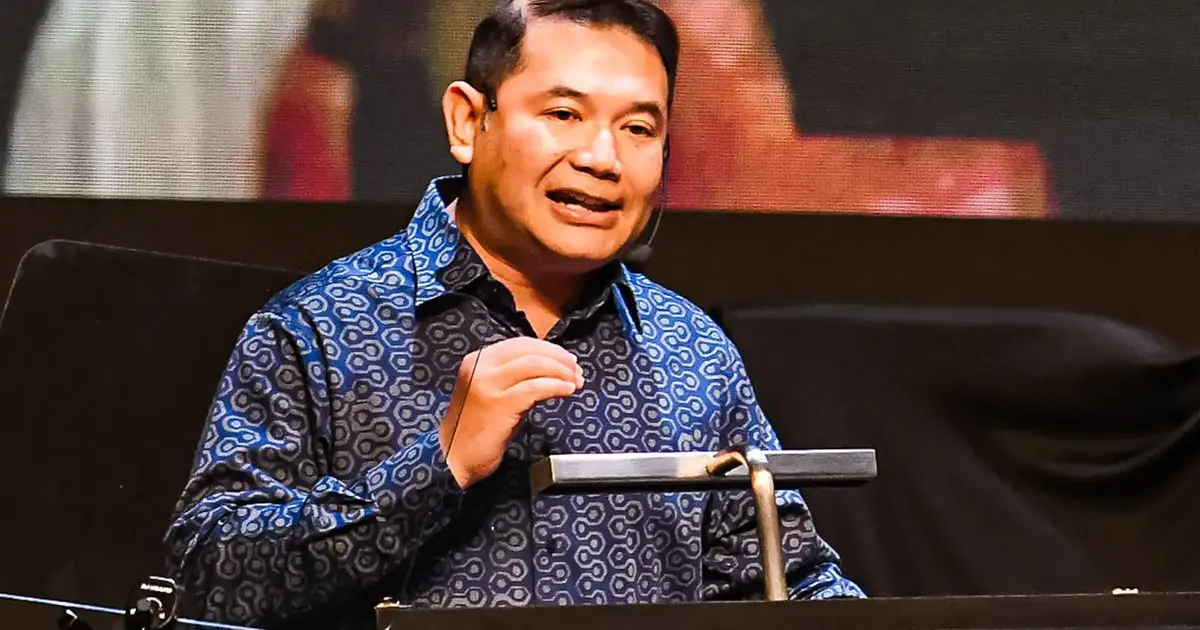
Parti Bersama Malaysia is moving forward with a substantial slate of candidates for the Johor state election, with party leader Rafizi Ramli confirming that 73 volunteers have put themselves forward to contest seats. The recruitment drive demonstrates the party's commitment to establishing a meaningful presence in one of Malaysia's most politically significant states, where electoral outcomes often carry ramifications for the broader political landscape across the peninsula.
The selection process, which appears to have consumed considerable effort and internal deliberation, has now reached its conclusion. Rafizi Ramli's statement that the vetting is complete signals that the party machinery has worked through the applications and assessed candidates against its criteria for suitability and viability. This process typically involves evaluating factors ranging from grassroots credibility and community ties to financial capacity and public communication skills.
Johor holds particular strategic importance in Malaysian politics. As the nation's second-largest state by population and a traditionally competitive electoral arena, Johor's 56 state assembly seats are hotly contested by all major political parties and coalitions. The state's electorate spans diverse demographics, from the affluent suburbs of Johor Bahru to the more rural constituencies along the state's periphery, requiring candidates capable of addressing varied community concerns.
Particular attention will focus on how Parti Bersama Malaysia's new lineup compares with that of established competitors. The coalition currently in power, whether Perikatan Nasional, Barisan Nasional, or an alternative grouping, will likely command significant organisational advantages and name recognition. For a newer entrant like Bersama to field a competitive slate at scale represents a considerable logistical achievement, though translating candidate numbers into electoral performance remains a distinct challenge.
The Friday announcement of shortlisted candidates will mark an important transparency moment for the party. Public reaction to the selected names will provide insight into community perception of Bersama's direction and whether the party has succeeded in recruiting candidates with genuine local credentials or has struggled to attract proven campaigners. The announcement's timing also gives voters and political observers a window to scrutinise individual candidates' backgrounds and track records before the formal campaign period begins.
Partisan party building in Johor has intensified in recent years as various coalitions and parties jockey for position ahead of state elections. Bersama Malaysia, having emerged from a specific political moment and ideological space within Malaysia's centre-right landscape, is attempting to establish itself as a viable alternative to both Barisan Nasional and Perikatan Nasional. Fielding 73 candidates across the state's constituencies represents a full-slate approach, signalling serious intent rather than a token electoral contest.
Rafizi Ramli's leadership has been characterised by active coalition-building at the national level, particularly within reform-oriented political circles. How Bersama positions itself in Johor—whether through local coalition arrangements with other parties, or as an independent force—will significantly influence campaign dynamics and the ultimate electoral results. Any pre-election pacts or joint candidacy arrangements would need to be negotiated and finalised before nominations close.
The candidate pool of 73 volunteers reflects varying levels of political experience and public profile. Some may be returning candidates from previous electoral cycles, others potentially first-time entrants drawn to Bersama's platform. The diversity of the field will likely include professionals, business operators, community leaders, and grassroots activists. How cohesively this group functions as a campaigning force will partly determine Bersama's effectiveness in translating candidate numbers into actual seat gains.
Johor's electoral history shows that voter preferences can shift quite dramatically between election cycles, particularly when sentiment against the incumbent government peaks or when new political options gain traction. Bersama's ability to capitalise on any anti-incumbent sentiment will depend significantly on the quality and resonance of its candidate messaging, as well as on broader political developments at the national level that influence state-level voting patterns.
The announcement on Friday will also offer data points for political analysts tracking party evolution and coalition realignment across Malaysia. The names, backgrounds, and geographical distribution of candidates will reveal which constituencies Bersama is prioritising and what demographic groups it is attempting to reach. This information becomes crucial for understanding the state's likely political configurations heading into polling day.