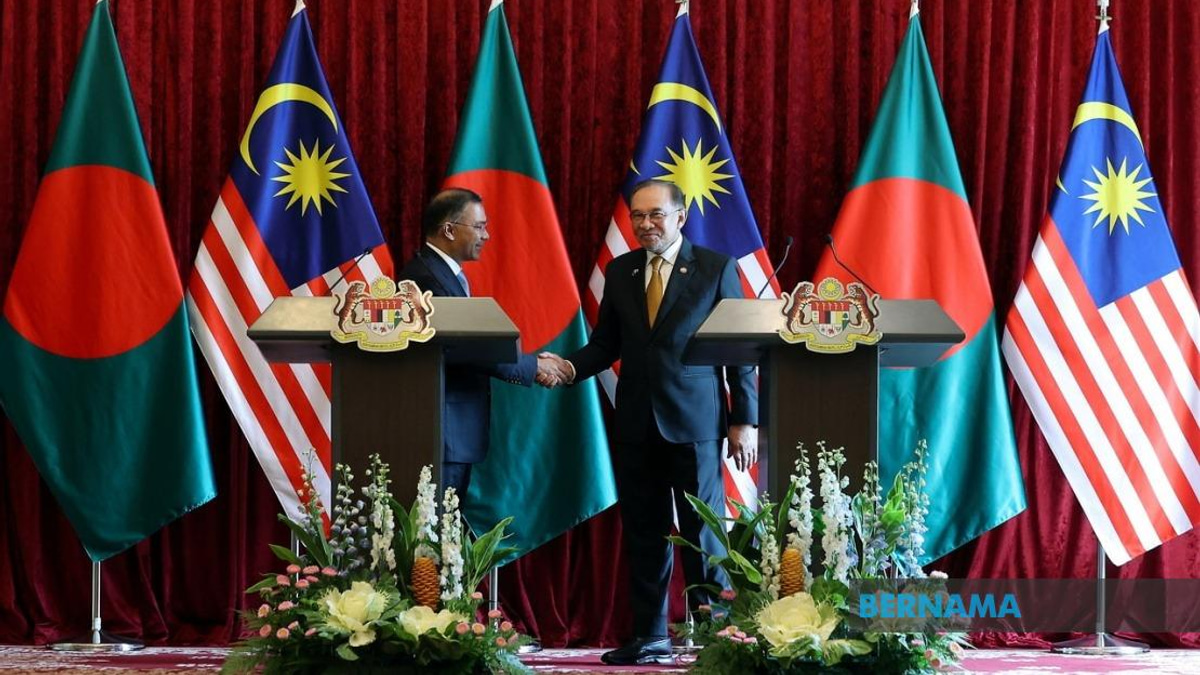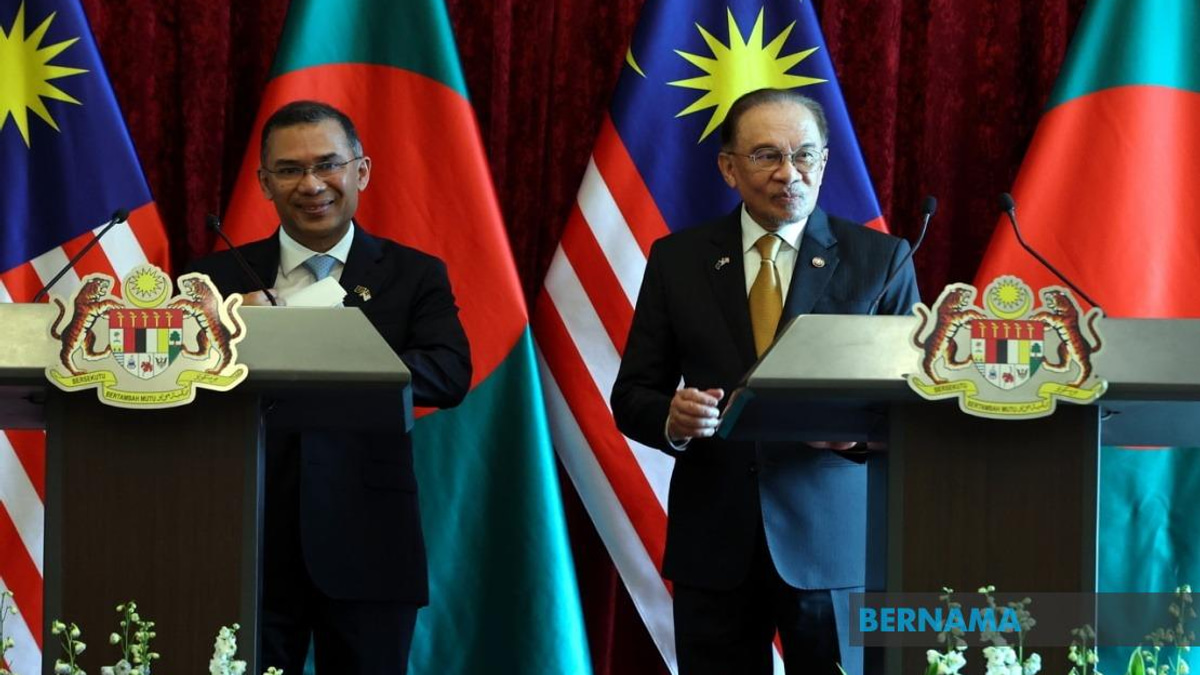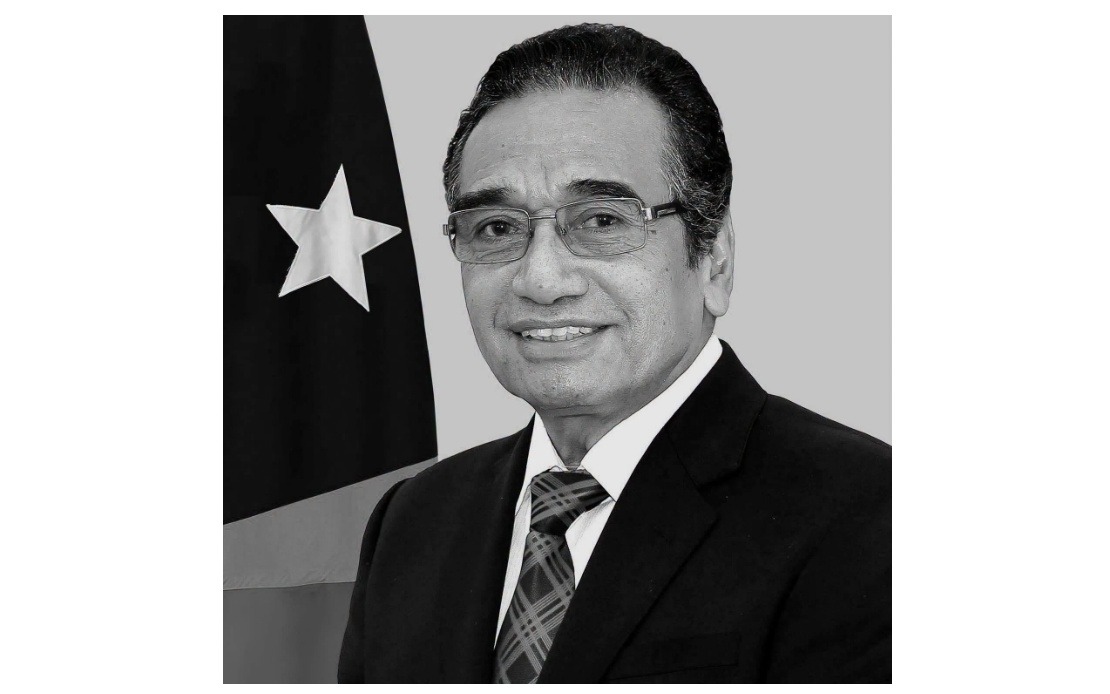
Prime Minister Datuk Seri Anwar Ibrahim has conveyed Malaysia's formal condolences to Timor-Leste following the death of former president Francisco Guterres, the Southeast Asian nation's elder statesman who played a defining role in the country's struggle for independence. Guterres, aged 71, passed away at Prince Court Hospital in Kuala Lumpur on June 21 after undergoing intensive medical treatment. Through a social media statement on June 22, Anwar acknowledged the significance of Guterres' contributions to his nation and expressed grief shared by both the Malaysian government and people.
Guterres represented a pivotal generation of Timorese leaders who sacrificed their formative years fighting colonial rule and authoritarian occupation. Known by his resistance moniker Lú-Olo, he became synonymous with Timor-Leste's determination to reclaim sovereignty and establish democratic institutions from the rubble of a war-torn nation. Anwar's statement highlighted how Guterres embodied the principles of self-determination and democratic governance that continue to define Timor-Leste's post-independence trajectory. His legacy extends beyond mere political leadership; he represented the resilience of an entire generation that refused to surrender their vision of national freedom.
The former president's official tenure as Head of State spanned from 2017 to 2022, a period during which he served as a stabilising constitutional figure in a nation still consolidating its democratic institutions. Prior to his presidency, Guterres had already accumulated significant political experience, having previously served in the National Parliament. This progression through various leadership positions demonstrated both his expertise in governance and the trust placed in him by fellow Timorese citizens who had endured decades of hardship.
Guterres' death holds particular symbolic weight for Southeast Asia's youngest nation, which remains vulnerable to regional power dynamics and faces ongoing challenges in consolidating state institutions. His passing represents the loss of a direct link to Timor-Leste's independence struggle, a period that fundamentally shaped the nation's identity and values. Malaysia, as a neighbouring ASEAN member, recognises the importance of such figures in anchoring national consciousness and maintaining commitment to democratic principles across the region.
The decision to spend his final days in Kuala Lumpur, receiving medical care at a Malaysian private hospital, underscores the medical and professional relationships that exist between the two nations. Malaysia has positioned itself as a healthcare destination for regional leaders and citizens, and Prince Court Hospital's facilities have attracted patients from across Southeast Asia seeking advanced treatment. The fact that Guterres sought treatment in Malaysia reflects the trust and confidence that regional leaders place in the country's medical infrastructure.
Anwar's explicit statement that Malaysia mourns alongside the Timorese people carries diplomatic significance in regional relations. By emphasising shared respect and affection for the departed leader, the Prime Minister reinforces Malaysia's commitment to supporting Timor-Leste through its period of grief while strengthening bilateral bonds. Such expressions of solidarity during moments of national loss serve to deepen institutional relationships and demonstrate ASEAN solidarity beyond formal mechanisms.
Guterres' commitment to building democratic institutions in a post-conflict environment remains instructive for scholars and policymakers throughout the region. Timor-Leste's journey from occupation to independence to democracy remains unfinished and fragile, requiring constant vigilance from leaders and citizens alike. Guterres exemplified the conviction that independence without democratic governance would ultimately prove hollow, shaping his political priorities throughout his career.
The timing of his death coincides with ongoing questions about succession planning in Timor-Leste's leadership hierarchy and the nation's ability to maintain institutional continuity while managing generational change. With many independence-era leaders reaching advanced age, their passing marks the end of an era and forces younger political generations to assume greater responsibility for safeguarding hard-won freedoms and democratic achievements.
For Malaysian observers, Guterres' life trajectory offers perspective on regional history and the diverse paths to nation-building undertaken by ASEAN members. While Malaysia achieved independence through negotiation, Timor-Leste's struggle involved decades of armed resistance and international intervention. Yet both nations ultimately converged on commitment to multiethnic, multireligious democracy, despite vastly different historical experiences. Guterres represented the political embodiment of Timor-Leste's choice to embrace democratic governance despite the brutal alternatives that recent history had demonstrated.
The international dimensions of Guterres' presidency extended beyond bilateral relations, encompassing engagement with the United Nations and international community regarding Timor-Leste's security, economic development, and regional positioning. His death removes a voice that had spent years advocating for his nation's interests in global forums, even as his country remained relatively small and economically modest by international standards. This loss of experienced diplomatic representation presents challenges for Timor-Leste's foreign policy establishment during a period of significant regional geopolitical tension.
Guterres' funeral arrangements and state mourning period will provide Timor-Leste with opportunity to assess his historical legacy while acknowledging the enormous distance the nation has travelled since independence. Memorial events will likely emphasise his role in the resistance struggle, his dignified tenure as president, and his unwavering commitment to democratic values. Malaysia's official acknowledgment through Prime Minister Anwar's statement ensures that Southeast Asia remembers Guterres not merely as a regional political figure but as a symbol of independence movements and democratic resilience across the developing world.