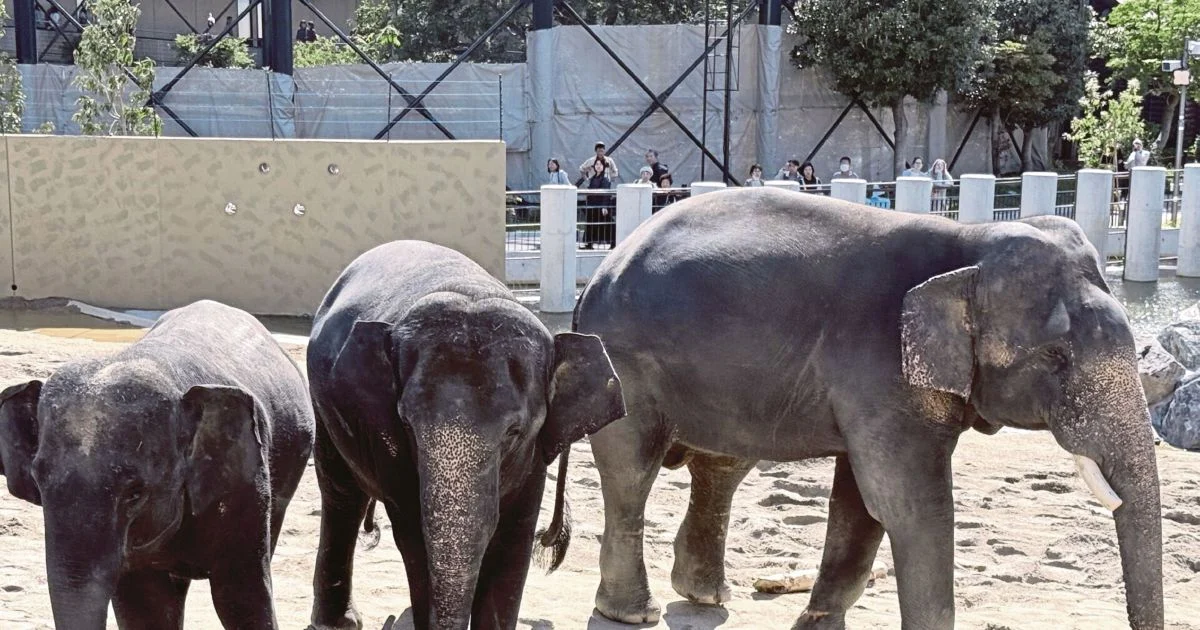
The Malaysian Anti-Corruption Commission (MACC) has initiated a formal investigation into the relocation of three Asian elephants from Zoo Taiping to the Tennoji Zoo in Osaka, Japan, marking another chapter in ongoing scrutiny surrounding the management of Malaysia's wildlife institutions and international animal transfer agreements.
The probe reflects broader concerns about how decisions involving state assets and international commitments are made within Malaysia's zoo operations. Zoo Taiping, located in Perak, is one of the country's premier wildlife attractions and has long been a focal point for elephant conservation efforts in Southeast Asia. The facility houses one of the region's most significant elephant populations, making any transfer of these animals a matter of considerable public interest and regulatory importance.
The decision to send three elephants to Tennoji Zoo, a major zoological institution in Japan's Osaka prefecture, appears to have prompted questions from oversight bodies about whether appropriate procedures were followed. International animal transfers typically involve complex considerations ranging from animal welfare standards and habitat compatibility to financial arrangements and diplomatic protocols. The involvement of MACC suggests that concerns may extend beyond routine wildlife management to encompass potential irregularities in how the transaction was authorized or conducted.
For Malaysian readers, this development underscores the importance of transparency in how state-owned institutions conduct business. Zoo Taiping operates under the Perak state government's purview, and public confidence in such facilities depends on the public being assured that decisions are made through proper channels with appropriate accountability measures in place. The MACC investigation signals that formal mechanisms are being activated to examine whether all relevant stakeholders were consulted and whether financial or procedural standards were maintained throughout the process.
The timing of this probe also reflects a broader trend of heightened scrutiny on institutional governance in Malaysia. In recent years, various agencies have faced investigations related to asset management, financial procedures, and decision-making processes. The elephant transfer case fits into this wider pattern of accountability-seeking, particularly when government resources and international agreements are involved. The investigation may also examine whether officials properly assessed the long-term implications of reducing Zoo Taiping's elephant population.
From a regional perspective, the transfer touches on important questions about elephant conservation in Southeast Asia. Zoo Taiping has historically played a significant role in elephant breeding and care programs, and the relocation of breeding-age or genetically valuable animals can have implications for conservation efforts across the region. The MACC's involvement suggests that Malaysian authorities want to ensure such decisions are not made hastily or without proper evaluation of their conservation impact.
Tennoji Zoo in Osaka has a well-established reputation for animal care and operates under Japanese zoological standards, which are generally considered rigorous. However, the process by which three elephants were selected for transfer and the basis upon which the Osaka facility was chosen remain matters requiring clarification. MACC's investigative remit extends to examining whether the selection process was conducted fairly and whether any undue influence affected the decision-making.
The investigation may also examine financial arrangements associated with the transfer. International animal relocations often involve complex cost-sharing agreements, and MACC would likely scrutinize whether Zoo Taiping received appropriate compensation if applicable, or whether the facility incurred costs that were properly justified and approved. Documentation trails regarding communications with Tennoji Zoo and any agreements reached would form crucial components of the inquiry.
For stakeholders in Malaysia's wildlife sector, this development reinforces the need for clear protocols governing international animal transfers. Zoo operators, wildlife officials, and conservation organizations will likely await the MACC's findings to understand what procedural standards should guide future similar transactions. The investigation may ultimately lead to strengthened guidelines that balance conservation objectives with accountability requirements.
The presence of elephants in captivity remains a subject of international debate, with differing perspectives on whether facilities like Tennoji Zoo in Japan offer superior welfare standards compared to Zoo Taiping. Some conservation advocates argue that international transfers can benefit individual animals by exposing them to different research programs or breeding initiatives, while others contend that such relocations should only occur under strictly defined circumstances with comprehensive justification.
As MACC proceeds with its investigation, the case serves as a reminder that governance questions affecting state institutions merit thorough examination regardless of the nature of the institution's primary function. Whether the transfer was conducted appropriately will ultimately depend on whether proper channels were followed, stakeholder consultation occurred, and decision-making processes reflected institutional best practices. The inquiry's outcome will likely influence how Zoo Taiping and other Malaysian facilities approach international collaborations moving forward.