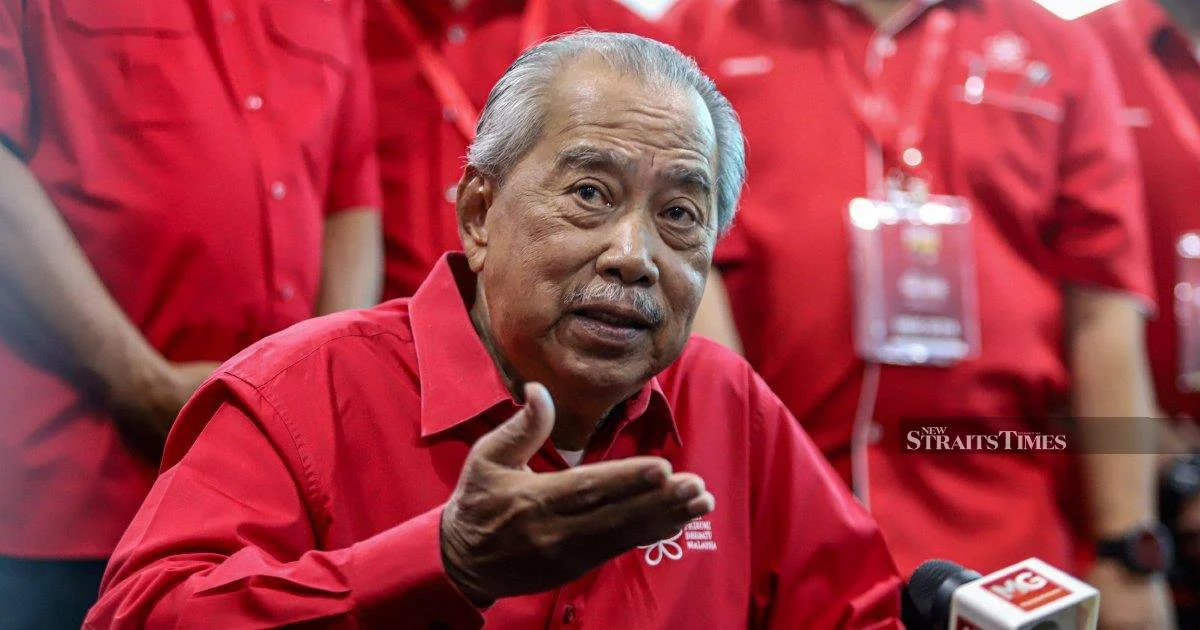
The coalition politics in Malaysia's opposition landscape has grown increasingly fractious following Pas' unilateral move to open dialogue with Barisan Nasional, drawing sharp criticism from coalition partner Bersatu. The controversy underscores deepening tensions within Perikatan Nasional at a moment when both major opposition blocs face crucial electoral tests, particularly as the Negri Sembilan state election looms on the horizon.
Bersatu's displeasure stems from what it characterises as a breach of coalition protocol, whereby one component party pursues significant political negotiations without prior consultation or agreement from other partners. In Malaysia's complex multi-party environment, such unilateral moves carry symbolic weight far beyond the immediate talks themselves, signalling potential fractures in opposition unity that could have ramifications across multiple elections. Bersatu's objection suggests that Perikatan Nasional members have not established clear mechanisms for handling such high-stakes political discussions.
The timing of these BN-Pas talks intensifies the dispute. With the Negri Sembilan state election approaching, any signal of internal coalition discord can undermine the united front that opposition alliances typically attempt to project to voters. State elections serve as important testing grounds for larger coalitions, often revealing whether party partnerships can withstand electoral pressures or whether individual parties prioritise their own survival over collective interest. For Negri Sembilan specifically, the strategic landscape becomes more complicated when one coalition partner negotiates separately with the government-linked alternative.
Peikatan Nasional itself represents a relatively newer configuration in Malaysian politics, having emerged from the realignment following the 2020 general election. Unlike the longer-established Pakatan Harapan coalition, Perikatan Nasional's institutional frameworks for managing internal disagreements may still be developing. Bersatu's public grievance suggests that clearer protocols for inter-party communication and decision-making may be necessary to prevent future embarrassments or strategic disadvantages.
Pas, as a major Islamic-based party with substantial electoral support in certain regions, carries considerable weight within Perikatan Nasional. However, Bersatu's willingness to publicly criticise Pas indicates that smaller coalition partners are prepared to challenge larger ones when they perceive their interests are threatened. This dynamic reflects the reality that even dominant players within alliances face constraints when other members feel sidelined or taken for granted.
The substance of any BN-Pas negotiations carries particular importance given Malaysia's evolving political landscape. Since 2020, the positioning of these major parties has shifted considerably, with some parties floating between alliances and others reassessing their strategic positioning. The fact that Pas would engage BN directly suggests ongoing calculations about electoral viability, seat distribution, or broader political accommodation that extend beyond the immediate Negri Sembilan context.
For Malaysian voters and regional observers, the episode illustrates how opposition coalitions in Southeast Asia's democracies often struggle with internal coherence. Unlike a single party with clear hierarchical decision-making, multi-party alliances must balance individual party autonomy with collective discipline. When that balance breaks down, particularly through public criticism, confidence in the coalition's viability naturally erodes. This has direct implications for how voters assess opposition credibility ahead of elections.
Bersatu's public expression of regret rather than quiet diplomatic messaging suggests that the party felt compelled to defend its position transparently. In Malaysia's contemporary politics, where media scrutiny and public discourse play increasing roles in shaping perceptions, allowing criticism to go unchallenged could damage Bersatu's standing within the coalition or among its supporters. The party's response therefore serves multiple purposes: registering formal objection, signalling to its own membership that it actively defends coalition interests, and potentially influencing how other PN members view Pas' conduct.
The Negri Sembilan election provides the immediate flashpoint for these tensions, but the underlying issues extend to national politics. How Perikatan Nasional manages such internal conflicts will determine whether the coalition can present a viable alternative to Pakatan Harapan as a potential governing coalition. Malaysia's complex religious, ethnic, and regional dimensions mean that no single coalition automatically commands majority support nationwide, making internal stability crucial for whichever alliance hopes to lead.
Looking ahead, Bersatu's criticism may prompt deeper conversations within Perikatan Nasional about establishing clearer ground rules for coalition management. Some alliances in other democracies function effectively through written agreements specifying consultation requirements before major moves. Malaysian coalition partners may ultimately discover that formalising such expectations, rather than relying on informal understandings, prevents future misunderstandings that generate public discord.
The broader context suggests that Malaysian coalition politics remains a work in progress. While the country has experienced coalition governments since independence, the specific configurations have changed dramatically in recent years. Perikatan Nasional's relative newness means that parties within it are still calibrating how to work together effectively. Bersatu's intervention, while creating short-term friction, may ultimately contribute to stronger long-term institutional development within the coalition.

