The Barisan Nasional coalition is banking heavily on mobilising support from the nearly 7,000 voters living within four Federal Land Development Authority settlements scattered across the Kulai parliamentary constituency as it gears up for the 16th Johor state election on July 11. The focus on these agricultural communities reflects BN's acknowledgment that rural constituencies, particularly FELDA areas, remain strategically important to electoral success in the state, despite mixed performance in recent cycles.
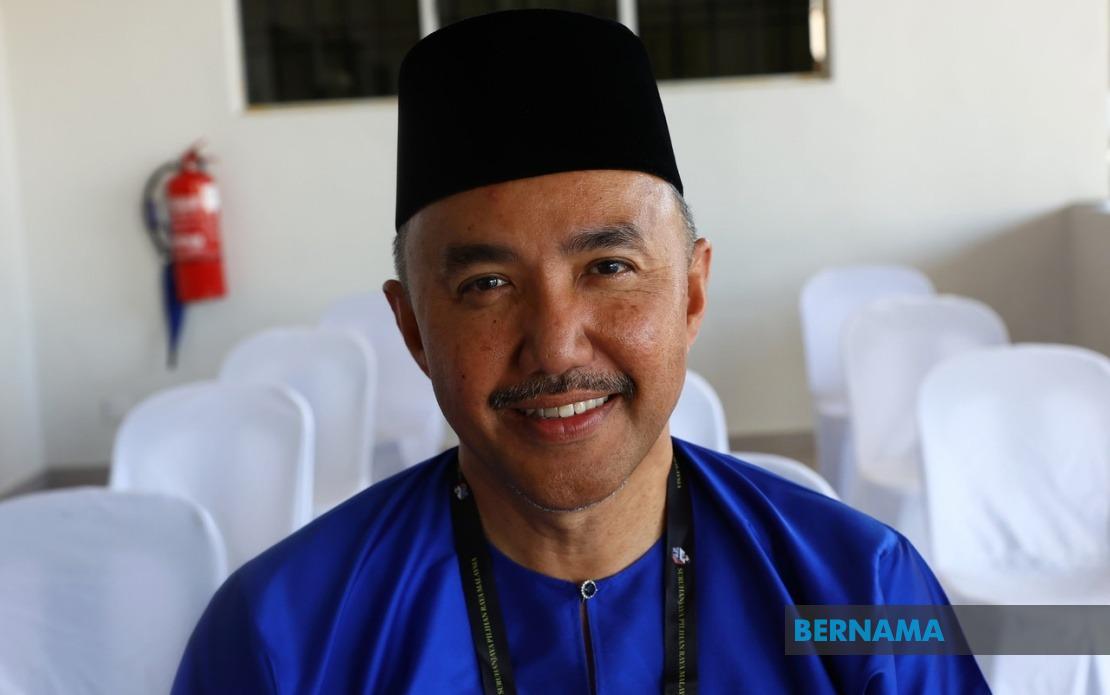
Datuk Mohd Jafni Md Shukor, the BN chairman for Kulai and incumbent representative of the Bukit Permai state seat, outlined the significance of the FELDA vote in his electoral calculus. The four settlements—FELDA Taib Andak, FELDA Inas, and FELDA Bukit Permai within the Bukit Permai constituency, alongside FELDA Bukit Batu in the Bukit Batu state seat—represent a concentrated voter base that could tip the balance in closely contested races. The coalition's confidence in this demographic stems not from historical dominance but from a deliberate recalibration of state government priorities toward FELDA communities over the past four years.
Jafni attributed the coalition's optimism to the consistent welfare-oriented policies pursued by Menteri Besar Datuk Onn Hafiz Ghazi's administration. The messaging is clear: BN acknowledges that its relationship with FELDA voters had deteriorated significantly in the 2018 state election, when disillusionment swept through rural areas nationwide. However, the 2022 general election showed tangible improvement, a trend the coalition hopes to extend and consolidate in this state-level contest. This recovery narrative is crucial because it suggests that losses in FELDA areas are not inevitable but rather the result of correctable policy failures.
A cornerstone of the Johor government's outreach to FELDA communities has been education support channelled through the Johor Education Foundation, specifically targeting the children of settlers. Such programmes address a persistent grievance among rural communities regarding unequal access to educational opportunities relative to urban counterparts. By framing education assistance as a signature initiative, BN seeks to position itself as genuinely invested in intergenerational advancement within FELDA communities, an argument that resonates beyond immediate welfare dependency and toward broader developmental aspirations.
Equally significant is the state government's resolution of a chronic land title dispute that had plagued FELDA settlers for years. With 99.9 per cent of land ownership applications now settled, the administration has removed a major source of frustration that had eroded settler confidence in government institutions. Land security underpins economic stability and dignity within agricultural communities; addressing this issue therefore carries symbolic weight beyond the administrative achievement itself. Jafni's emphasis on this resolution suggests that BN intends to frame the election as a referendum on competent, problem-solving governance rather than ideological positioning.
However, BN's confidence in FELDA areas must be contextualised within a broader competitive landscape. Jafni faces a four-cornered contest in Bukit Permai against Parti Bersama Malaysia, Pakatan Harapan, and Perikatan Nasional candidates, indicating fragmentation that could either aid or undermine the incumbent depending on vote distribution. The presence of PN—which has cultivated substantial support among rural Malay-Muslim voters across Malaysia—presents a particular challenge, as does PH's continued appeal among voters seeking political change. Bersama, though less established, may capture protest votes or splits within the BN coalition itself.
The incumbent's 2022 majority of 4,755 votes provides a working mandate but hardly an insurmountable one in a climate where sentiment can shift rapidly. Kulai, as a parliamentary constituency encompassing three state seats—Bukit Permai, Bukit Batu, and Senai—represents a microcosm of Johor's electoral complexity. BN's ambition to not merely defend Bukit Permai but to capture both Bukit Batu and Senai reveals offensive intent, yet the mathematics of holding all three requires sustained momentum and voter turnout discipline.
Jafni's appeal for a second term reflects the common strategy of ruling coalitions seeking renewal: portraying development as a long-term project requiring continuity. The argument that four years is insufficient for transformative change carries particular weight when concrete projects—infrastructure, education facilities, social programmes—remain incomplete or newly commenced. For FELDA voters, this continuity argument may hold weight if visible improvements are evident within their settlements and if they perceive the alternative as risking reversal of gains.
The timing of the election also matters. Early voting on July 7 followed by general voting on July 11 compresses the campaign period, potentially disadvantaging challengers attempting to build momentum against an incumbent with established administrative machinery. BN's control of state resources and media access creates inherent advantages, though this is partially offset by the energetic campaigning capacity of opposition coalitions in Johor, which has become increasingly competitive over successive elections.
Fundamentally, BN's FELDA strategy reflects a broader recognition within Malaysian politics that rural constituencies demand consistent attention and tangible benefits. The coalition's willingness to invest political capital and government resources in these communities suggests that the 2018 debacle prompted genuine institutional learning rather than superficial rhetorical adjustment. Whether this translates into the anticipated electoral returns will depend on whether FELDA voters perceive the government's initiatives as authentic commitments or tactical positioning ahead of elections—a distinction voters in agricultural communities typically discern with considerable acuity based on lived experience.

