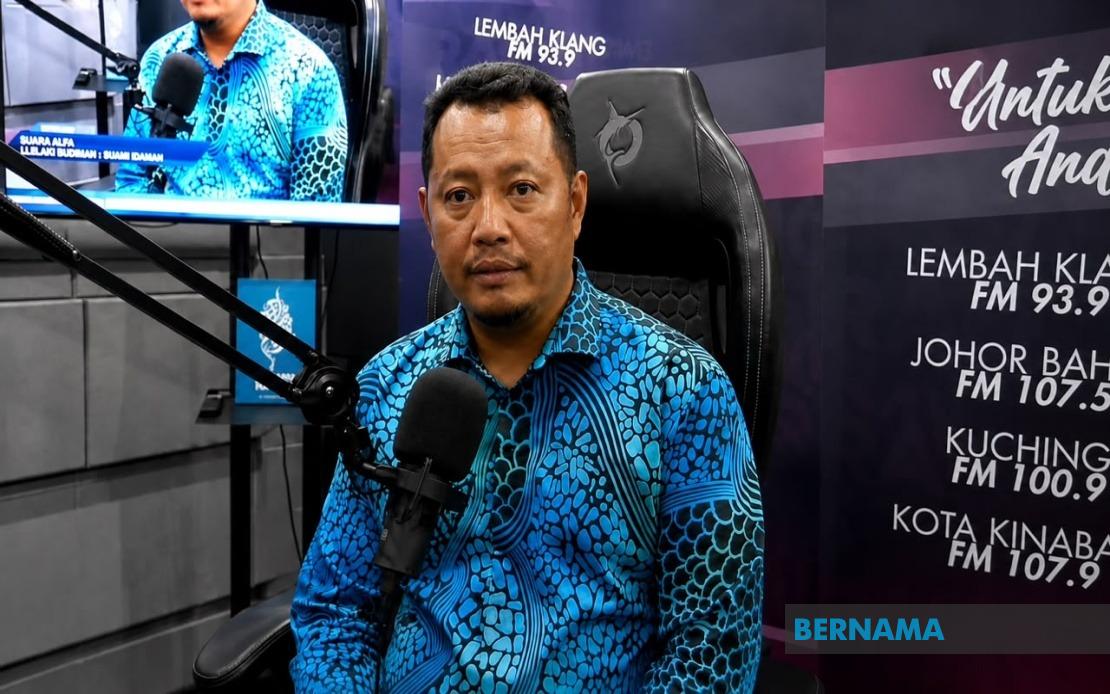
Instilling the values of a responsible gentleman cannot wait until adulthood—the foundation must be laid during childhood and the formative teenage years, according to officials at Malaysia's National Population and Family Development Board (LPPKN). This fundamental insight, shared by Md Noh Saiman, chief assistant director of the board's Counselling and Intervention Unit, underscores a growing recognition that masculine identity and social responsibility are not innate but rather cultivated through deliberate family engagement and consistent parental modelling.
The development of gentlemanly character rests substantially on how parents raise their children and the behavioural examples they demonstrate during each stage of growth. Md Noh emphasized that children absorb and internalize what they observe from their parents, making parental conduct a primary curriculum in moral and social development. This observation aligns with broader research in child psychology, which consistently demonstrates that young people learn more effectively through observation and imitation than through abstract instruction alone. In the Malaysian context, where family structures and extended kinship networks remain significant social institutions, the quality of parental engagement directly influences how children construct their understanding of responsibility, empathy, and social obligation.
The concept of a gentleman, as articulated by LPPKN, transcends superficial notions of politeness or romantic gestures. Rather, it encompasses a deeper commitment to sincerity, integrity, and willingness to assume responsibilities without expectation of recognition or reward. This distinction matters considerably in contemporary discourse about gender roles and masculinity, particularly in Southeast Asian societies navigating rapid social change. A true gentleman, in this framework, demonstrates character through quiet action rather than performative display—a counter-narrative to the sometimes-curated representations of masculinity found on modern media platforms.
Within the household, genuine gentlemanly conduct manifests through practical support in domestic responsibilities and childcare, alongside partnership in managing family logistics. When husbands actively contribute to household operations and child-rearing, they do more than simply lighten their spouses' burdens; they fundamentally reshape family dynamics and create space for women to pursue professional and personal aspirations with greater confidence and reduced constraint. This supportive partnership model has significant implications for Malaysian women's economic participation and career advancement, particularly in sectors where women have historically faced barriers due to competing domestic demands. By reframing household contribution as a marker of masculine virtue rather than deviation from traditional roles, LPPKN's approach offers a potential pathway toward more equitable household arrangements without requiring wholesale abandonment of cultural values.
The Lelaki Idaman Programme, operated by LPPKN, functions not merely as a recognition initiative for men who already embody positive qualities, but rather as a constructive platform for those committed to personal transformation and self-improvement. This distinction is psychologically and socially significant—it positions the programme as aspirational rather than judgmental, creating space for men at various stages of personal development to participate meaningfully. The programme acknowledges that maturity includes the capacity to receive critical feedback, view it as useful information for growth, and implement changes without becoming defensive or fixated on the source of the criticism. Such emotional resilience and openness to self-examination represent sophisticated components of gentlemanly character often overlooked in traditional discussions of masculinity.
Digital platforms and social media have emerged as powerful shapers of contemporary expectations regarding gentlemanly conduct. These environments expose both men and women to diverse, sometimes conflicting representations of what constitutes an ideal man or husband. The algorithmic curation of content means that individuals encounter reinforced versions of certain masculine ideals while remaining largely unaware of alternative perspectives. This digital fragmentation of shared understanding creates challenges for families attempting to establish consistent values and expectations. In Malaysia, where social media penetration remains high and internet usage is extensive across demographic groups, the influence of digital narratives on relationship expectations and gender role perceptions cannot be underestimated. LPPKN's emphasis on addressing this factor demonstrates awareness that character development now occurs within a complex mediascape requiring critical engagement.
The connection between developing responsible men and strengthening family institutions represents a virtuous cycle in LPPKN's conceptual framework. Men who actively support their partners and shoulder domestic responsibilities contribute demonstrably to household harmony and family stability. Conversely, families operating under principles of mutual support and shared responsibility create environments where children—both sons and daughters—internalize healthier models of partnership and gender relations. This intergenerational transmission of values means that investing in developing gentlemanly conduct today has ripple effects extending across decades and affecting entire communities. For Malaysia, where family remains a central organizing unit of society and source of social cohesion, this multiplier effect justifies sustained investment in masculine character development programmes.
The LPPKN initiative arrives at a moment when Malaysian society grapples with questions about modernization, cultural preservation, and evolving gender relations. Traditional frameworks emphasizing male dominance and female subordination increasingly coexist uncomfortably with contemporary expectations for partnership and mutual respect. By grounding gentlemanly virtue in early upbringing and parental example, LPPKN offers a culturally intelligible pathway for reconceiving masculine responsibility. This approach need not antagonize those committed to preserving cultural traditions; rather, it reinterprets tradition through a lens emphasizing commitment to family welfare and integrity in relationships—values deeply embedded in Malaysian and broader Islamic and Asian ethical traditions.
The practical implications of LPPKN's framework extend to policy considerations across multiple sectors. Educational institutions, parent-training programmes, and community organizations can incorporate these principles into their work. Workplaces recognizing the value of engaged fathers and supportive partners might implement policies facilitating paternal involvement and work-life balance. Healthcare providers can discuss these dimensions of masculinity during prenatal and postnatal consultations. Media organizations and content creators might consciously represent gentlemanly conduct in accessible, relatable ways that resonate across Malaysia's diverse communities. Such ecosystem-wide reinforcement would create consistency between the values transmitted through family upbringing and those encountered in broader social environments.
Ultimately, LPPKN's emphasis on early childhood development and parental modelling reflects a sophisticated understanding that masculine identity and social responsibility are not fixed traits but rather ongoing achievements requiring deliberate cultivation across the lifespan. The suggestion that gentlemanly qualities emerge through observation of parental behaviour invests families with considerable power and agency, positioning mothers and fathers as primary architects of the next generation's character. This framing has particular resonance in Malaysian society, where family structures remain relatively intact and parental influence remains considerable. As Malaysia continues navigating questions about gender relations, family stability, and social cohesion, the cultivation of responsible, supportive men grounded in genuine character rather than surface performance offers a constructive direction forward.

