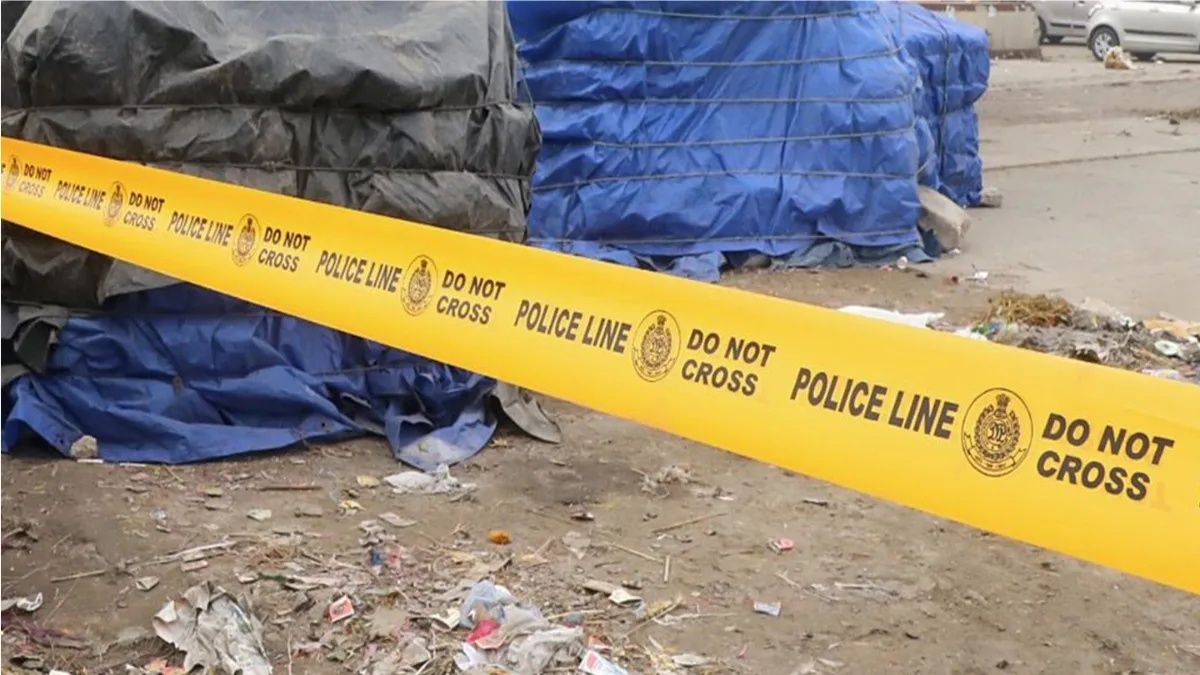
A child's death in a village pond has set off a chain of violence across South 24 Parganas district in West Bengal, exposing the raw tensions that erupt when allegations of sexual assault against minors surface in rural communities. On Sunday, the discovery of a 12-year-old girl's body, found packed inside a sack in a waterway near Suryapur, transformed a family tragedy into a region-wide confrontation between enraged locals and law enforcement attempting to preserve the crime scene and maintain order.
The girl had left her home on Saturday evening with a seemingly routine errand—purchasing food from a nearby shop—but vanished into circumstances that her family says involved four men forcibly taking her away. As hours stretched into the next morning with no word from the child, anxiety turned to despair when her remains surfaced in the pond adjacent to her residence. According to the victim's account of events, she never made it to the shop. Instead, what unfolded in those missing hours would become the catalyst for Sunday's turmoil.
When hundreds of villagers converged on the pond after learning of the discovery, the typical procedures of evidence collection and investigation immediately collided with collective grief and demands for swift action. Residents refused to permit police to secure and remove the body, maintaining a vigil that lasted several hours and signaled their determination to ensure the case received serious attention. This initial resistance underscored a broader pattern in rural India where communities, skeptical of investigative timelines and institutional responses, take matters into their own hands when they perceive systemic failures or delays.
The protest soon escalated beyond words and silence. Roadblocks erected across the village remained in place for nearly five hours, while protesters and villagers occupied railway tracks at the Suryapur station on the Sealdah-Namkhana line, suspending train services for approximately one hour. The blocking of both road and rail transport sent ripples beyond the immediate district, disrupting commerce and commuter schedules across the region. Demonstrators burned tyres, damaged vehicles, and made their anguish visible through acts of disruption that forced authorities and the broader public to acknowledge their suffering.
In the chaos that enveloped the protest site, a local youth—identified by residents as being seen in the company of suspects—was surrounded by the angry mob and allegedly beaten to death. Police who arrived at the scene encountered stiff resistance as they attempted to rescue the young man, facing stone-throwing demonstrators determined to administer their own justice. The situation deteriorated rapidly, with protesters hurling projectiles at officers and vandalizing police vehicles. Several personnel sustained injuries during these confrontations, with at least one officer requiring hospitalization for treatment received at a nursing home.
The cycle of violence prompted authorities to mobilize a substantial police presence, eventually supported by central paramilitary forces, to suppress the unrest and restore a semblance of control. Inspector General of Police Kankar Prasad Barui visited Baruipur personally, using public address systems to appeal for calm while simultaneously assuring residents that no accused would escape prosecution. His message attempted to redirect vigilante impulses toward faith in the legal system, pledging that investigators would pursue the strongest possible charges and that justice would be pursued through courts rather than mob action.
Government officials moved quickly to demonstrate responsiveness. West Bengal Chief Minister Suvendu Adhikari contacted the victim's father by telephone on Sunday, promising that perpetrators would face the maximum penalties available under Indian law. He extended an invitation for the bereaved parent to visit the state secretariat at Nabanna on Tuesday to discuss the case directly and offered governmental support for the family during their ordeal. Such gestures, while offering symbolic solace, also represent attempts by political leadership to prevent further deterioration of communal trust.
The investigative framework that emerged from the crisis revealed that two individuals had been arrested in relation to the girl's death, while a third suspect was apprehended by villagers themselves and subsequently handed to police custody. The chain of custody and the validity of evidence gathered amid mob violence present potential complications for prosecutions, as defense counsel may challenge the legitimacy of arrests made under duress or the reliability of statements obtained in volatile conditions. The post-mortem examination, scheduled to proceed at Baruipur Sub-Divisional Hospital, would provide medical evidence regarding the cause and nature of the injuries sustained by the victim.
By Sunday afternoon, police had persuaded the gathered crowd to disperse from roadblocks and railway tracks, allowing traffic and train services to resume their normal schedules. However, this tactical success in restoring surface calm masked underlying grievances that remain unresolved. The deployment of enhanced security measures across the area signals official recognition that simmering tensions could reignite, particularly as the investigation unfolds and judicial proceedings commence. Questions about the adequacy of child protection mechanisms, the responsiveness of local police, and the broader safety environment for vulnerable populations in rural West Bengal remain subjects of serious concern.
For Malaysian observers, this incident illustrates challenges that extend beyond West Bengal's borders, reflecting patterns visible across South and Southeast Asia where child protection systems remain under strain and where communal responses to alleged crimes—though understandable emotionally—complicate legal processes and undermine institutional credibility. The Baruipur case demonstrates how the intersection of grief, perceived institutional inadequacy, and demand for accountability can rapidly transform communities into spaces of counter-violence. Police investigations must now contend not only with establishing the facts of the original crime but also with documenting and prosecuting those involved in the mob lynching, creating a complex layering of criminal matters that will occupy courts for months or years ahead.

