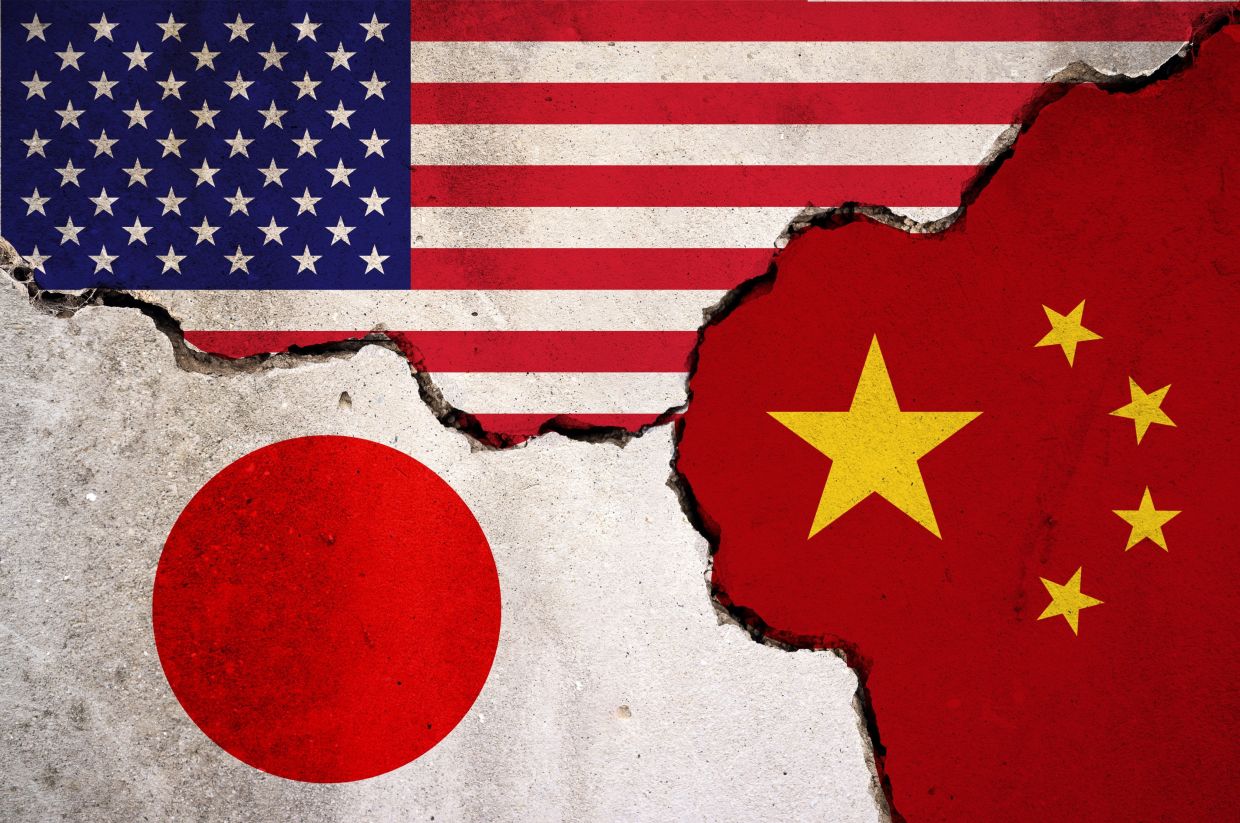
Seven months of escalating Chinese retaliation against Japan has left Tokyo increasingly anxious about Washington's tepid response to what analysts describe as a coordinated Beijing pressure campaign. The crisis, rooted in comments by Japanese Prime Minister Sanae Takaichi in November characterising a Chinese attack on Taiwan as potentially catastrophic for Japan's survival, has exposed deeper fractures in the US-Japan alliance at a moment when regional stability hinges on credible security partnerships. Japan's growing frustration stems not just from China's economic restrictions but from Washington's apparent unwillingness to publicly back one of its most strategically positioned treaty allies, raising questions about the durability of US commitments in Asia.
Takaichi's remarks were unambiguous: any Chinese military action against Taiwan using warships and combat forces would constitute an existential threat to Japan given Tokyo's geographic proximity and economic dependence on the Taiwan Strait. Her refusal to retreat from this position, despite fierce Beijing condemnation, reflected Japan's realistic assessment of regional dangers rather than rhetorical overreach. Yet rather than receiving strong American backing, Tokyo watched Washington offer only muted diplomatic cover, leaving Japanese officials to navigate between China's displeasure and what they perceived as American indifference. This dynamic has created what analysts term a dangerous credibility gap, where Japan cannot afford to appear weak internationally by publicly complaining about Chinese coercion, yet also cannot rely on confident US reassurance.
China's retaliatory measures, imposed in January alongside other punitive actions, have cut Japanese access to rare earths and imposed other economic sanctions targeting Tokyo's vulnerabilities. These restrictions carry real industrial consequences for Japan's technology and defence sectors, yet White House officials have consistently deprioritised the issue in their engagements with Beijing. Japanese officials have escalated their private appeals to Washington, moving from isolated requests to sustained cabinet-level discussions about easing Chinese pressure, yet encountered what one source characterised as dismissive treatment: "Japan wants this ... Next subject." The discrepancy between Tokyo's urgency and Washington's casualness underscores a troubling asymmetry in how the Trump administration weights alliance obligations against its broader strategic calculations.
President Trump raised the rare earths restrictions during communications with Chinese President Xi Jinping, according to sources, but the conversation apparently lacked sufficient priority or follow-up to achieve meaningful results. Trump's approach reflects what analysts identify as a fundamentally transactional worldview, where regional security commitments become negotiating chips rather than strategic commitments. With the administration juggling multiple crises—particularly the Middle East conflict that Trump initiated with Israeli Prime Minister Benjamin Netanyahu—Asia has receded from Washington's immediate focus. The military pivot toward the Persian Gulf, including redeployment of anti-missile systems from East Asia, signals that Trump views Middle East challenges as superseding alliance maintenance in the Indo-Pacific.
Yet this explanation only partially accounts for Trump's response. Takaichi's comments preceded the February escalation of the Middle East conflict, suggesting that Trump's lukewarm defence of Japan reflects deeper patterns in his approach to alliances. Several analysts point to Trump's political vulnerabilities heading into midterm elections, declining domestic popularity, and war-related economic pressures as factors encouraging him to view friendly relations with China as a diplomatic asset. By remaining non-committal on Japan while avoiding antagonism toward Beijing, Trump may calculate that he preserves negotiating flexibility for potential trade talks or a Washington summit with Xi that could boost his political standing. This instrumentalisation of regional security treats Japan's legitimate concerns as expendable leverage.
Trump's longstanding suspicion of allies as financial freeloaders compounds the problem, despite Japan's extensive efforts to address American complaints about burden-sharing. Tokyo has substantially increased defence spending and invested heavily in new capabilities specifically to demonstrate commitment to deterring Chinese military expansion, moves that should have earned explicit American support. Instead, the administration expresses disappointment that Japan and other allies have not contributed more directly to Trump's Middle East operations—a misaligned set of expectations that reflects Trump's inability to distinguish between collective security interests and his personal geopolitical preferences. His public frustration that allies did not pre-coordinate assistance in the Persian Gulf without American prior consultation reveals a fundamental misunderstanding of alliance dynamics, where consultation precedes commitment.
Analysts emphasise that Trump's second-term priorities have shifted markedly toward personal financial interests, family property concerns, and cryptocurrency ventures, eclipsing traditional geopolitical calculations. According to Jeffrey Moon, former National Security Council official and strategist, Trump increasingly treats regional security as a personal card to play rather than a shared commitment, using ambiguity about Taiwan and silence about Japan as instruments for his own negotiating advantage. This personalisation of foreign policy means that alliance maintenance competes not just with other strategic concerns but with Trump's individual grievances, family business interests, and preferences unrelated to national security. The administration's approach stands in stark contrast to decades of bipartisan US policy treating the Japan alliance as foundational to Asian stability and American prosperity in the region.
Japanese officials have expressed what sources describe as simmering dissatisfaction with this approach, having expected Congress and other American institutions to provide a counterweight to presidential indifference. Instead, Tokyo finds itself navigating a period where private appeals to Washington elicit neither serious engagement nor public support, leaving Japan isolated in managing Chinese pressure. The situation presents Japan with an uncomfortable strategic dilemma: publicly complaining about American abandonment would further weaken Japan's international standing and invite additional Chinese retaliation, yet remaining silent suggests acceptance of a second-tier alliance status. This bind reflects how thoroughly the Trump administration's transactionalism has undermined the psychological foundations of alliance relationships, which depend on demonstrated commitment rather than mere contractual obligation.
The implications for Southeast Asia and broader Indo-Pacific stability are considerable. Other US allies in the region, observing how Trump treats Japan despite its strategic importance and compliance with American requests for defence spending increases, will recalibrate their own security strategies. Countries may conclude that relying on American security guarantees requires simultaneous accommodation with China, encouraging hedging strategies that weaken collective deterrence. The erosion of the Japan alliance—perhaps America's most important Asian partnership given Japan's economic weight, military capabilities, and geographic position—signals potential cascading weakening of regional security architecture. China, meanwhile, likely interprets American passivity as permission to intensify pressure on other neighbours, testing whether the US commitment to collective security remains viable or has become merely ceremonial under Trump's leadership.

