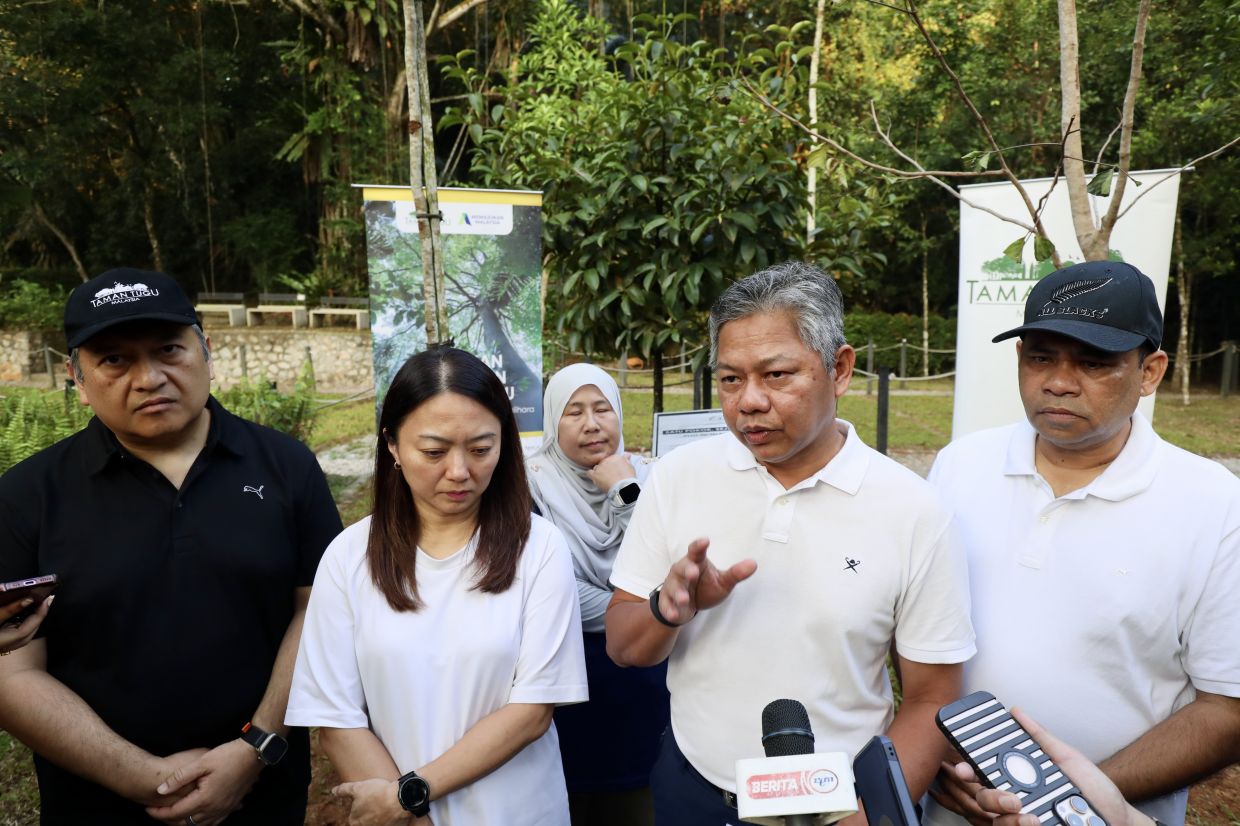
Kuala Lumpur City Hall (DBKL) is moving forward with an ambitious sensor installation project designed to safeguard residents by detecting potentially dangerous trees before they pose a threat. The initiative represents the next phase of the city's comprehensive tree management framework, building on earlier success in cataloguing and assessing the urban forest. Kuala Lumpur mayor Datuk Seri Fadlun Mak Ujud announced the rollout at the Taman Tugu Plot Adoption Programme launch on Saturday, with the deployment targeting approximately 200 strategically selected trees across the city.
The technological intervention emerges after DBKL completed an extensive mapping exercise earlier this year, which successfully documented 25,000 trees throughout Kuala Lumpur with support from the Digital Ministry. That foundational work allowed city planners to develop a comprehensive health profile of the urban canopy, identifying which specimens required intensive monitoring and which remained robust enough for long-term preservation. The mapping phase proved instrumental in shifting DBKL's approach from reactive tree removal to proactive health management and early intervention.
Under the new monitoring regime, sensors will be affixed approximately 1.2 metres above ground on selected trees and connected to DBKL's central control centre to provide continuous real-time data about tree condition. The system aims to furnish officials with early warning signals whenever a tree's structural integrity deteriorates, enabling rapid response before branches fall or trees topple onto buildings, vehicles, or pedestrians. This technological approach represents a departure from traditional visual inspections that can miss developing problems within a tree's interior structure or branch stress points.
Fadlun emphasised that the initiative prioritises conservation over felling, particularly for mature and long-established specimens like those along Jalan Ampang. Rather than removing trees at the first sign of potential hazard, DBKL intends to support compromised branches that may otherwise fall, thereby extending the lifespan of valuable mature trees that took decades to establish. This strategy acknowledges the significant environmental, aesthetic, and cooling benefits that mature trees provide to an urban environment, especially in tropical Kuala Lumpur where heat mitigation remains a persistent challenge.
The city hall's commitment extends beyond monitoring existing trees. DBKL plans to expand Kuala Lumpur's green canopy by planting 200 additional trees as part of this phase, though funding mechanisms remain under discussion. This dual approach—protecting established specimens while introducing new growth—reflects a recognition that cities require sustained investment in urban forestry to maintain ecological balance and quality of life. The tree-planting component will depend on securing financial support from government, corporate, and philanthropic sources.
Minister in the Prime Minister's Department (Federal Territories) Hannah Yeoh reinforced the government's commitment to protecting Kuala Lumpur's remaining green spaces from development pressure. Her ministry has allocated RM50,000 towards tree planting and maintenance at Taman Tugu, with DBKL providing matching funds of equal value. Yeoh's intervention signals concern within the federal administration about preserving urban biodiversity in a capital city that has experienced significant commercial development and land conversion.
Yeoh articulated a principled stance against further erosion of Kuala Lumpur's green areas, asserting that the city possesses sufficient commercial infrastructure and should reorient priorities toward environmental restoration rather than continued building expansion. This position reflects growing awareness among policymakers that excessive development density, inadequate green space, and reduced tree coverage contribute to urban heat island effects, reduced air quality, and diminished livability. Her comments suggest federal-level scrutiny of proposed development projects that would compromise existing vegetation.
The Taman Tugu Plot Adoption Programme represents a community-engaged approach to restoration work, uniting government agencies, businesses, non-governmental organisations, and residents in collaborative stewardship of urban forests. Each 9-square-metre plot will receive plantings of indigenous Malaysian forest tree species selected to reinforce the natural ecosystem that originally characterised the site. This methodology distributes restoration responsibility across multiple stakeholders rather than relying solely on government resources, creating distributed ownership and long-term commitment to maintenance.
For Malaysian urban planners and environmental advocates, DBKL's sensor initiative offers a model for managing competing demands in densely populated cities. Rather than choosing between development and preservation, the approach seeks to integrate protective technology with active management, allowing Kuala Lumpur to maintain and enhance its green infrastructure while accommodating urban growth. The system's success may influence similar initiatives across other Malaysian cities facing comparable challenges with aging urban forests and pressure for development.
The broader implications extend to climate resilience and public health. Mature trees provide shade that reduces urban temperatures, improves air quality, and enhances mental wellbeing for city residents. By investing in tree monitoring and preservation, DBKL acknowledges these multifaceted benefits and recognises that removing healthy trees to manage hazardous ones represents a false choice. The sensor technology enables evidence-based decision-making that can distinguish genuinely dangerous specimens requiring removal from salvageable trees needing targeted intervention.
Yeoh's emphasis on preventing future green space loss suggests potential policy changes to development approval processes in Kuala Lumpur, where planning decisions increasingly must justify tree removal and propose compensatory environmental measures. This regulatory shift, if implemented, would require developers to demonstrate that projects cannot be redesigned to preserve significant vegetation or that adequate replacement planting is guaranteed.
The project timeline and procurement process for the sensors remain unspecified, though the initiative's relatively modest scale of 200 units suggests phased implementation over ensuing months rather than simultaneous installation. DBKL will likely prioritise areas with the densest mature tree populations and highest foot traffic where falling branches pose greatest risk to public safety.

