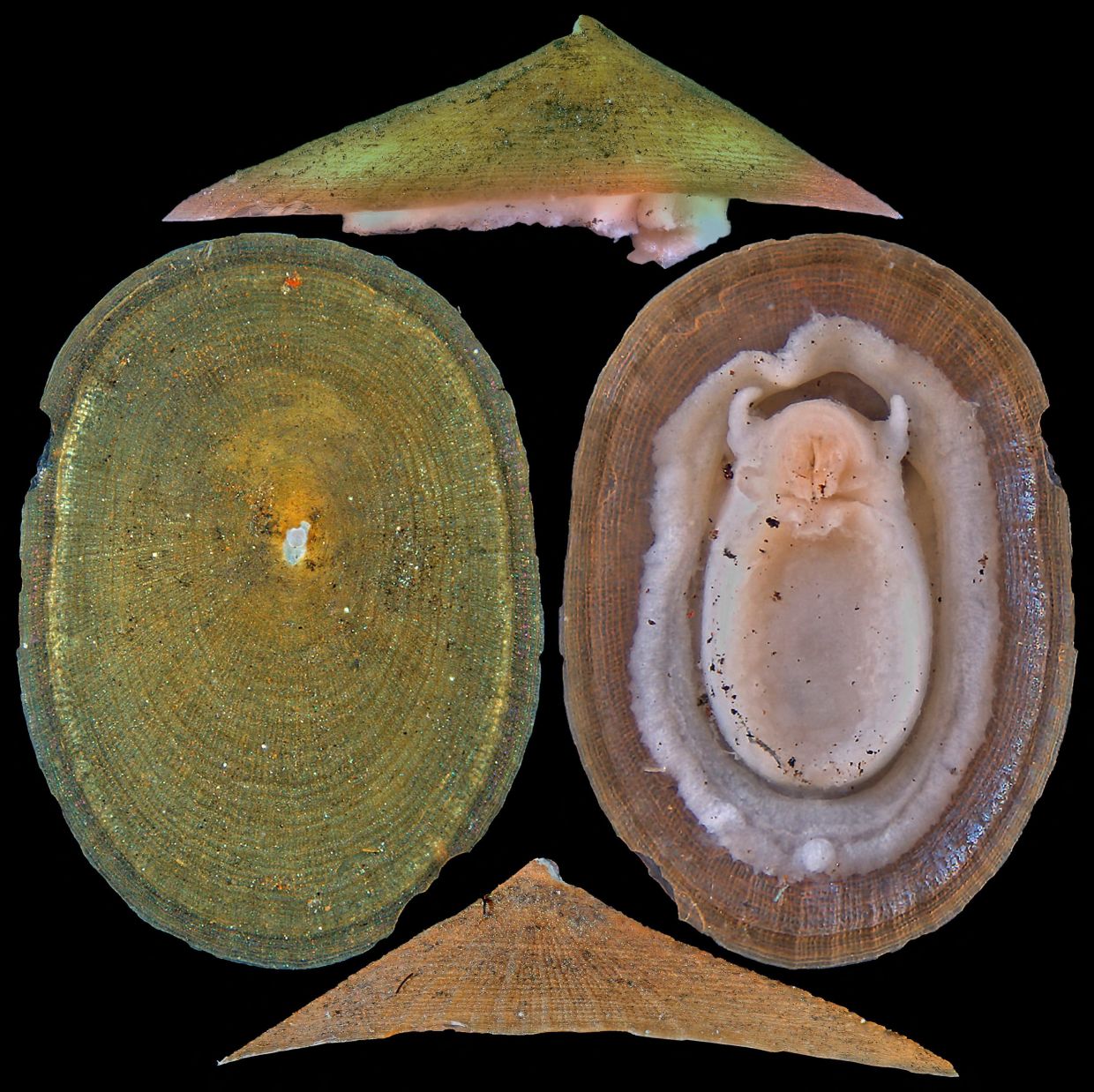
The latest update to the International Union for the Conservation of Nature's global assessment of endangered species has brought alarming news for some of Earth's most obscure creatures: more than six in ten molluscs that depend on deep-sea hydrothermal vents face extinction risk from mining operations on the ocean floor. The IUCN's comprehensive Red List of Threatened Species, released Thursday, identifies 125 out of 201 known endemic mollusc species inhabiting these extreme underwater environments as vulnerable to extinction specifically due to mineral extraction activities at depths reaching 5,000 metres below the surface.
These remarkable creatures occupy one of the planet's most inhospitable habitats, clustering around hydrothermal vents where superheated water exceeding 450 degrees Celsius spews from Earth's crust. The diversity is extraordinary within this confined ecological niche, encompassing various mollusc forms including snails, limpets, mussels, clams and chitons—each adapted to metabolise and survive in conditions that would instantly destroy most surface life. Many of these species are barely known to science, having been discovered only in the past decade. Their very newness to the scientific record makes the threat all the more troubling: organisms that humanity has only recently become aware of are already facing potential oblivion before their ecological roles are fully understood.
The mechanism of harm from deep-sea mining operations differs fundamentally from surface extraction. When seabed mining equipment disturbs the ocean floor in search of valuable minerals and metals, it generates sediment plumes—clouds of suspended particles that spread across the marine environment. These plumes directly smother the delicate organisms living around the vents, while simultaneously interfering with the physiological processes these creatures depend upon for survival. The sediment interferes with nutrient absorption, disrupting the already precarious energy pathways that have evolved over millions of years to function in this singular environment. The IUCN emphasises that these animals have nowhere else to go; their dependency on specific hydrothermal vent systems makes them uniquely vulnerable to localised disturbance.
Julia Sigwart, representing the IUCN's mollusc specialist group, characterises this moment as critical for the future of these extraordinary animals. She notes that deep-sea molluscs stand among the most severely threatened categories of all animal groups globally, a distinction that reflects both their vulnerability and the accelerating pace of industrial activity in previously untouched ocean regions. The IUCN's institutional position on this matter is clear and unambiguous: the organisation voted in 2021 to support a moratorium on deep-sea mining unless comprehensive and effective protections for the marine environment can be established beforehand.
The broader context for this warning emerges in the latest Red List update, which now catalogues 175,909 species across all categories of threat assessment, an increase from 172,620 in the previous edition. Among these, 49,505 species are formally listed as threatened with extinction, up from 48,646 previously. These figures illustrate the accelerating erosion of global biodiversity, a phenomenon that extends far beyond the specialised case of deep-sea molluscs. Grethel Aguilar, the IUCN's chief, frames the situation with particular gravity: life on Earth has developed survival strategies of remarkable ingenuity to persist in the most hostile and unusual habitats imaginable, yet even these most cleverly adapted creatures are now succumbing to mounting human pressures on the living world.
The threat extends beyond the hydrothermal vent ecosystem, as the Red List documents changing circumstances for terrestrial species as well. The desert rain frog, a diminutive amphibian that has become popular on social media due to its distinctive appearance and unusual vocalisation, has experienced a decline in conservation status from near threatened to vulnerable. This downgrade reflects the impact of diamond mining and energy infrastructure development concentrated along the west coasts of South Africa and Namibia, regions where this species is endemic. Projections indicate that without targeted conservation intervention, the desert rain frog population could contract by one-fifth within the coming decade, a trajectory that represents a significant setback for an already geographically restricted species.
Yet the Red List also provides evidence that strategic, sustained conservation action can reverse negative trends. Australia's numbat, a small marsupial predator also known as the banded anteater, has improved its conservation status from endangered to near threatened, a meaningful upgrade reflecting decades of dedicated protection efforts. Population estimates have climbed substantially to between 2,000 and 3,000 individuals, a remarkable recovery from the mere few hundred animals surviving in the 1970s. This improvement resulted from deliberate captive breeding programmes and habitat protection measures coordinated across multiple jurisdictions and conservation organisations.
John Woinarski, co-chair of the IUCN's Australasian marsupial and Monotreme specialist group, emphasises that this numbat recovery demonstrates the efficacy of long-term, strategic, and collaborative conservation frameworks. However, he cautions that without sustained effort, the gains achieved for marsupials and native rodents across Australia remain perpetually vulnerable to collapse. Invasive species, particularly feral cats and foxes, continue to represent an existential threat to Australia's smaller native mammals. The contrast between Australia's conservation success story and the grim prospects facing deep-sea molluscs underscores a fundamental principle: different ecosystems demand different protection strategies, yet all require genuine commitment and adequate resources to succeed.
For Southeast Asian policymakers and environmental stakeholders, these developments carry significant implications. The region shares responsibility for stewardship of marine resources and possesses substantial seabed territory that could become subject to future mining proposals. Understanding the vulnerability of species unknown or undocumented locally may harbour similar ecosystems and organisms within regional waters. The precedent set by international mining decisions will influence how nations approach their own resource management and ocean governance frameworks. Malaysia, in particular, with its extensive maritime economic zones and leading position in regional environmental policy discussions, faces decisions about how to balance mineral resource opportunities against the irreversible loss of biological diversity that mining entails.

