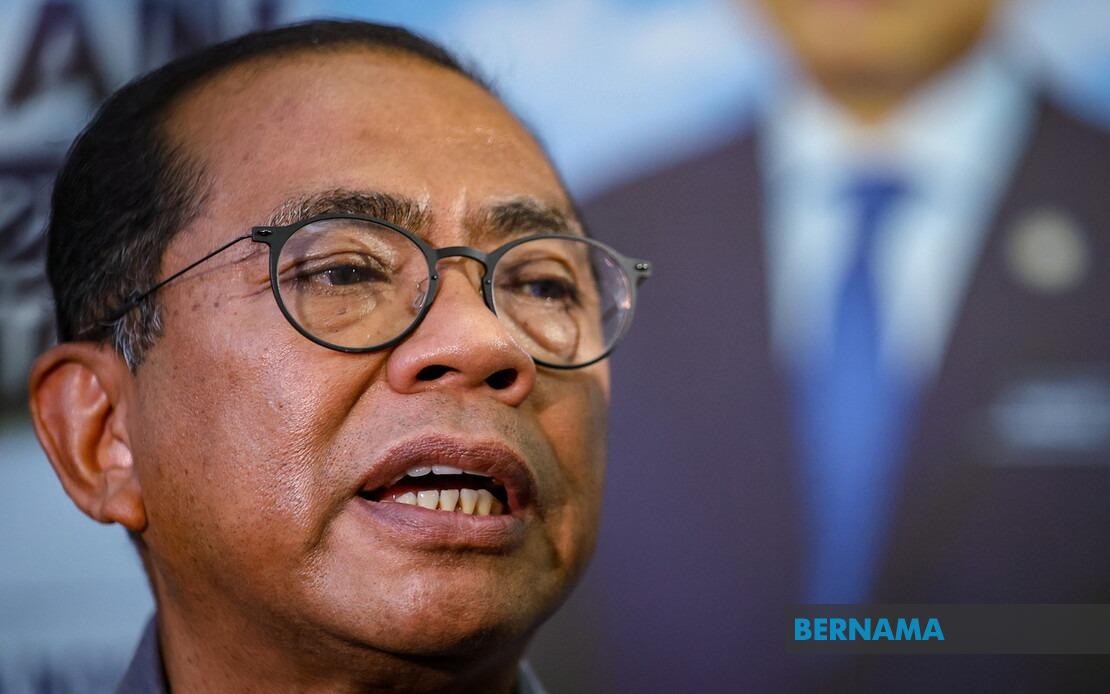
Defence Minister Datuk Seri Mohamed Khaled Nordin touched down in Hanoi today to begin a significant two-day diplomatic mission focused on deepening the defence relationship between Malaysia and Vietnam, marking his inaugural official visit to the Southeast Asian neighbour since assuming his ministerial portfolio.
The arrival at Noi Bai International Airport signals renewed momentum in military-to-military engagement at the highest levels of government. Mohamed Khaled's itinerary encompasses meetings with Vietnam's Prime Minister Le Minh Hung and Deputy Prime Minister and Minister of National Defence Gen Phan Van Giang, indicating the importance both nations place on institutional dialogue within their defence establishments.
The timing of this visit reflects an important moment in regional defence diplomacy. Malaysia and Vietnam have cultivated defence ties spanning decades, but official visits from Malaysian defence ministers to Hanoi carry particular weight in Southeast Asian strategic calculations. The bilateral relationship extends beyond ceremonial exchanges, encompassing practical cooperation on maritime security, military training, and shared security challenges in the South China Sea region where both nations maintain significant interests.
In a statement issued through social media, Mohamed Khaled highlighted the December 2023 renewal of the bilateral Memorandum of Understanding on defence cooperation as evidence of sustained commitment from both capitals. This renewal gesture, occurring just months before his current visit, underscores Malaysia's strategic priority in maintaining robust ties with Vietnam as part of a broader approach to regional stability in one of the world's most economically vital waterways.
The Defence Minister articulated an ambitious agenda for the visit, framing it not merely as a courtesy call but as an opportunity to elevate the relationship to unprecedented levels of cooperation. His remarks emphasise potential areas for expanded partnership that could generate mutual benefits while contributing to the collective security environment across Southeast Asia. This framing suggests Malaysia views Vietnam as a key pillar in its defence strategy, particularly given shared concerns about maritime governance and freedom of navigation in contested waters.
Vietnam occupies a unique position in Malaysian defence considerations. As a fellow ASEAN member nation, Vietnam's military modernisation programme and substantial naval capabilities make it both a strategic partner and an important influence on regional military balance. The two countries share overlapping interests in countering transnational threats including terrorism, drug trafficking, and maritime piracy, domains where cooperative frameworks yield tangible operational advantages.
The bilateral defence relationship also reflects broader patterns of military interoperability and professional exchange within ASEAN. Joint training exercises, officer exchanges, and technical cooperation have become routine elements of Vietnam-Malaysia defence interactions. These institutional linkages serve to build mutual understanding and operational compatibility that extends benefits beyond the bilateral context, contributing to ASEAN's collective defence capacity and decision-making coherence.
For Malaysian observers, this visit demonstrates the defence establishment's commitment to maintaining balanced engagement across the region. As Malaysia navigates complex relationships with major powers and manages its own territorial interests, cultivating robust ties with nearby ASEAN partners like Vietnam provides crucial diplomatic ballast and operational partnership options. The visit also reflects Malaysia's historical approach to regional security, which emphasises multilateral cooperation and consensus-building rather than alignment with external powers.
The renewal of the defence MOU in late 2023 established the framework within which this visit now operates. Such memoranda typically encompass mechanisms for dialogue, pathways for military-to-military cooperation, and commitments to regular consultation on security matters of mutual concern. Mohamed Khaled's first-hand engagement with Vietnam's defence leadership will test the effectiveness of these mechanisms and explore whether additional avenues for cooperation merit formal codification.
The Deputy Prime Minister's portfolio as Defence Minister elevates the significance of the meetings Mohamed Khaled will conduct. Direct access to Vietnam's defence leadership ensures discussions can address strategic priorities and operational considerations rather than remaining confined to diplomatic courtesies. These conversations likely touch on maritime security challenges, counter-terrorism cooperation, and regional implications of broader geopolitical developments affecting Southeast Asia.
Malaysia's defence engagement with Vietnam also carries implications for ASEAN cohesion. Vietnam's significant military capability and assertive approach to South China Sea issues sometimes create tensions within ASEAN decision-making. By maintaining active defence dialogue, Malaysia helps ensure ASEAN's largest military power remains engaged within multilateral frameworks rather than pursuing entirely independent strategic paths.
The visit arrives at a moment when regional security dynamics warrant sustained high-level attention. Rising tensions, technological military advancement among regional players, and evolving security threats including cyber attacks demand that ASEAN nations invest in diplomatic relationships that facilitate information sharing and coordinated response mechanisms. Mohamed Khaled's Hanoi visit contributes to this necessary infrastructure of regional stability, demonstrating that defence cooperation need not be zero-sum and that neighbours can deepen partnerships while respecting each other's sovereignty and independent foreign policies.
Looking forward, outcomes from this visit will likely focus on establishing working groups, scheduling follow-up consultations, and potentially identifying new domains for cooperation. Whether defence partnerships translate into meaningful operational improvements depends substantially on commitment at the implementation level, making high-level diplomatic visits like Mohamed Khaled's essential for maintaining momentum and demonstrating political will to institutional actors responsible for executing cooperative agreements.

