The Ministry of Defence has committed RM2 million to enable 258 Malaysian Armed Forces personnel to pursue Cohort Two of the Work-Based Learning 2.0 Diploma Programme, marking a significant expansion of an initiative designed to bridge military expertise with formal academic credentials. An additional RM6.5 million has been reserved for a third intake scheduled for the final quarter of 2024, signalling the government's sustained commitment to reskilling its defence workforce and preparing service members for productive civilian employment after their military service concludes.
The programme addresses a critical challenge facing military personnel worldwide: translating operational competency and field experience into qualifications recognised by civilian employers. By mapping the practical skills and knowledge acquired through years of military service against established university curricula, the initiative transforms what might otherwise remain undocumented expertise into formal diplomas accredited by the Malaysian Qualifications Agency. This recognition proves essential for service members seeking second careers, as civilian employers frequently demand formal qualifications regardless of practical capability.
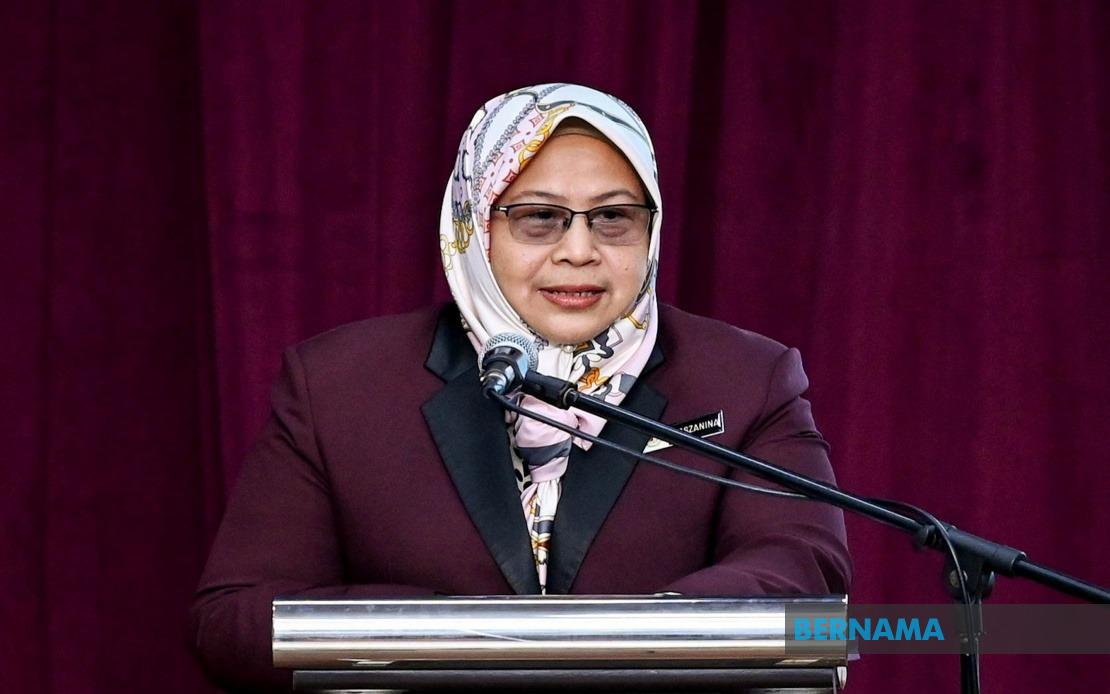
Datin Roszanina Wahab, deputy secretary-general of the Defence Ministry, explained that the WBL framework directly supports Malaysia's Defence White Paper objectives, which prioritise improving the economic circumstances of veterans and facilitating their transition into the broader workforce. The approach also aligns with the National Defence Strategic Plan 2026-2030, which emphasises building and retaining a competent defence sector workforce. By investing in personnel development during military service, the ministry reduces the risk of skills mismatches when personnel enter civilian employment, simultaneously strengthening social stability and economic productivity.
The inaugural cohort, launched last year, involved 461 Malaysian Armed Forces members, with 230 studying at Universiti Pertahanan Nasional Malaysia and 231 at Universiti Teknologi MARA. All participants are expected to complete their studies and graduate within the current year, providing valuable data on programme effectiveness and informing refinements for subsequent intakes. This phased rollout approach allows administrators to monitor completion rates, employment outcomes, and industry feedback before scaling significantly.
Universiti Pertahanan Nasional Malaysia is positioning itself as a centre of excellence for work-based learning diploma development, having pioneered three specialised programmes: Diploma in Logistics Management, Diploma in Business Administration, and Diploma in Defence Technology Services. According to Lt Gen Datuk Arman Rumaizi Ahmad, the university's vice-chancellor, these offerings will be fully operational by early 2025. The institution plans further expansion, with Diploma in Defence and Security Operations and Diploma in Defence Transportation Services slated for introduction in 2025.
What distinguishes this programme from conventional distance learning is its foundational philosophy: rather than requiring participants to attend regular campus-based lectures, the WBL approach validates learning already acquired through professional practice. Participants receive formal recognition for their accumulated experience, compressed study periods, and targeted academic components addressing specific knowledge gaps. This flexibility proves crucial for military personnel who cannot absent themselves from operational duties for extended periods.
The initiative reflects broader regional and global trends in lifelong learning and skills recognition. As technological change accelerates and industries increasingly value adaptability, militaries worldwide struggle to retain experienced personnel who otherwise depart the service unable to translate their expertise into civilian employment. Malaysia's WBL programme acknowledges this reality and proactively addresses it, potentially reducing post-service unemployment and improving the economic reintegration of defence sector workers.
For Malaysian employers, particularly in logistics, security, transportation, and business administration sectors, the programme represents an accessible pool of trained, disciplined personnel with proven track records in complex operational environments. Many private and public organisations actively recruit military veterans, recognising their organisational skills, reliability, and crisis management experience. By ensuring these personnel hold formal qualifications aligned with industry standards, the WBL programme enhances their marketability and reduces employer hesitation about non-credentialed candidates.
The RM8.5 million total investment across three cohorts may appear modest relative to defence budgets, yet delivers substantial returns when measured against social outcomes. Each successfully transitioned service member represents avoided unemployment benefits, reduced welfare dependency, and increased tax contribution. Beyond economics, successful reintegration improves social cohesion and public confidence in defence institutions, as communities witness effective support for those who served.
The programme's expansion from 461 first-year participants to 258 in the second cohort, with additional significant intake planned, suggests the ministry is calibrating intake according to institutional capacity and employment market absorption. This measured approach avoids flooding the labour market with credentials that lose value through oversupply, while ensuring quality maintenance and student support.
Southeast Asian defence establishments increasingly recognise that military effectiveness depends not only on hardware and strategy but also on human capital development. Personnel who understand they will receive formal educational support and career assistance prove more engaged and committed. Malaysia's WBL initiative signals to serving members that their professional development matters beyond immediate military application, potentially improving retention rates among skilled mid-career personnel.
Looking forward, the programme's success will depend on employer uptake of WBL graduates and their sustained employment at wages reflecting their qualifications. Systematic tracking of graduate outcomes will provide policymakers with evidence regarding programme effectiveness and justify continued investment. International best practices suggest such programmes require strong industry partnerships and regular curriculum updates to remain relevant to evolving market demands.
The Defence Ministry's commitment to this initiative reflects sophisticated understanding that national defence extends beyond military capability to encompass social stability and economic productivity. By transforming military service into a stepping stone toward sustained civilian careers, Malaysia positions itself as a responsible employer of defence personnel and a contributor to social development.

