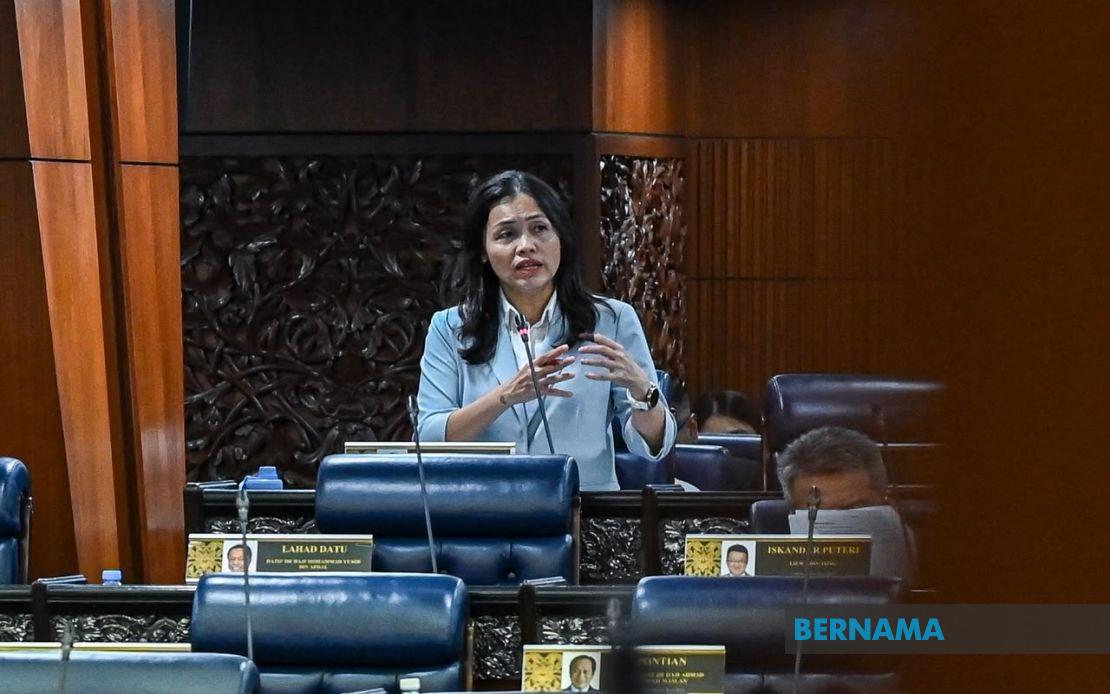
Malaysia's parliament has moved to modernise its communications regulatory framework by approving amendments to the Communications and Multimedia Act, legislation designed to address the evolving landscape of technological innovation and geopolitical risks facing the country's digital infrastructure. The Dewan Rakyat passed the Communications and Multimedia (Amendment) Bill 2026 on July 15, reinforcing the government's commitment to maintaining relevance in an era of rapid technological change without imposing fresh financial burdens on ordinary citizens.
Deputy Communications Minister Teo Nie Ching explained that the legislative changes are fundamentally about future-proofing Malaysia's regulatory approach to communications and multimedia services. Rather than expanding the scope of existing legislation into domains already overseen by other government agencies, the amendments focus squarely on the communications sector itself, particularly through the introduction of a National Universal Service Provision (USP) initiative. This mechanism will govern how network infrastructure is deployed and how services are subsequently delivered across the nation, ensuring that connectivity reaches communities currently underserved by commercial operators.
The National USP initiative represents a strategic acknowledgment that universal service obligations must now encompass considerations of national security and resilience alongside traditional connectivity goals. By weaving security elements into the USP framework, policymakers are responding to growing concerns about the vulnerability of critical digital infrastructure to disruption, whether through cyberattacks, natural disasters, or other emergencies. This integrated approach signals a recognition that network reliability and security are inseparable in an interconnected economy where digital services underpin everything from financial transactions to emergency response systems.
Teo specifically addressed a concern likely to resonate with Malaysian consumers: that infrastructure costs might be passed along to end-users through higher service charges. She clarified that the USP Fund, which finances these initiatives, draws its resources exclusively from contributions levied on licensed operators under the existing regulatory framework. The fund can only be deployed for establishing network facilities and delivering related services, creating a clear firewall between operator obligations and consumer pricing. This distinction is crucial for public confidence in the amendment, as rural communities have historically borne disproportionate infrastructure burdens in developing telecommunications sectors.
During parliamentary debate, which involved contributions from 18 members, regional concerns emerged about the practical implementation of expanded universal service obligations. Datuk Suhaimi Nasir, representing Sabah's Libaran constituency, emphasised that any infrastructure investment must prioritise communities in rural, interior, coastal and island areas of the East Malaysian state. His intervention reflected longstanding frustrations that urban-centric development often leaves peripheral regions dependent on fragile communications networks, a vulnerability exposed repeatedly during natural disasters when emergency services struggle to coordinate relief efforts. Suhaimi's framing of connectivity as a prerequisite for disaster resilience highlights how infrastructure debates in Malaysia increasingly intersect with climate adaptation and emergency management.
Another significant parliamentary concern focused on fiscal transparency and resource allocation. Datuk Mohd Suhaimi Abdullah from Langkawi, representing the opposition Perikatan Nasional, called on the Communications Ministry to publicly disclose the current balance of the USP fund and articulate how the government intends to deploy these resources. His request underscores legitimate scrutiny about whether amendment-related programmes might divert resources from rural communications infrastructure development, potentially leaving communities outside urban centres with deteriorating service quality. Such accountability measures are essential for maintaining public trust in the regulatory framework, particularly among constituencies that have experienced repeated promises of improved connectivity.
The amendment also prompted discussion about emerging cyber threats and the institutional capacity to address them. Datuk Shahelmey Yahya, representing Putatan, proposed that the government establish a formal mechanism for regularly publicising information about digital manipulation tactics, enabling citizens to adopt defensive measures protecting personal data and financial security. His suggestion acknowledges that regulatory frameworks must adapt not only to technological advancement but also to the evolving threat environment, where sophisticated social engineering and digital fraud constitute real risks to ordinary Malaysians. Yahya additionally urged the Malaysian Communications and Multimedia Commission (MCMC) to strengthen its internal expertise in cybersecurity, recognising that regulatory effectiveness depends on institutional capability.
The parliamentary approval occurred without contentious division, passing by majority vote after the government secured sufficient support to proceed. This relative consensus, despite some critical questions from opposition benches, suggests that members across the political spectrum recognise the necessity of updating communications law to reflect contemporary challenges. The absence of pitched partisan warfare around the amendments likely reflects a shared understanding that digital infrastructure underpins economic competitiveness and that security vulnerabilities pose collective national risks transcending party interests.
For Malaysian businesses and consumers, the amendments carry implications extending beyond technical regulatory adjustments. The integration of national security considerations into universal service provision frameworks signals that future infrastructure investments may increasingly be shaped by resilience criteria alongside commercial viability. This could influence which communities receive priority investment and what technologies are deployed. Technology companies operating in Malaysia should anticipate more rigorous scrutiny of their network architecture and data handling practices as regulators operationalise the enhanced security provisions.
The amendment's emphasis on maintaining service continuity and enhancing network resilience addresses genuine vulnerabilities in Malaysia's digital ecosystem. As the nation becomes increasingly dependent on digital financial systems, cloud computing, and internet-based government services, infrastructure failures carry cascading consequences. The USP initiative, by ensuring that even commercially unviable areas maintain functional connectivity, provides insurance against the concentration of digital infrastructure in profitable urban centres at the expense of national cohesion.
Looking forward, the amendment represents a calibrated approach to regulatory modernisation that attempts to balance innovation with security and equity with efficiency. Whether the framework proves effective will depend substantially on implementation decisions made by the Communications Ministry and MCMC, particularly regarding how the USP Fund allocates resources and how security standards are enforced without becoming prohibitively costly for service providers. The next phase of oversight will likely involve parliamentary inquiries into whether rural communities genuinely benefit from the provisions and whether security enhancements translate into tangible resilience improvements.

