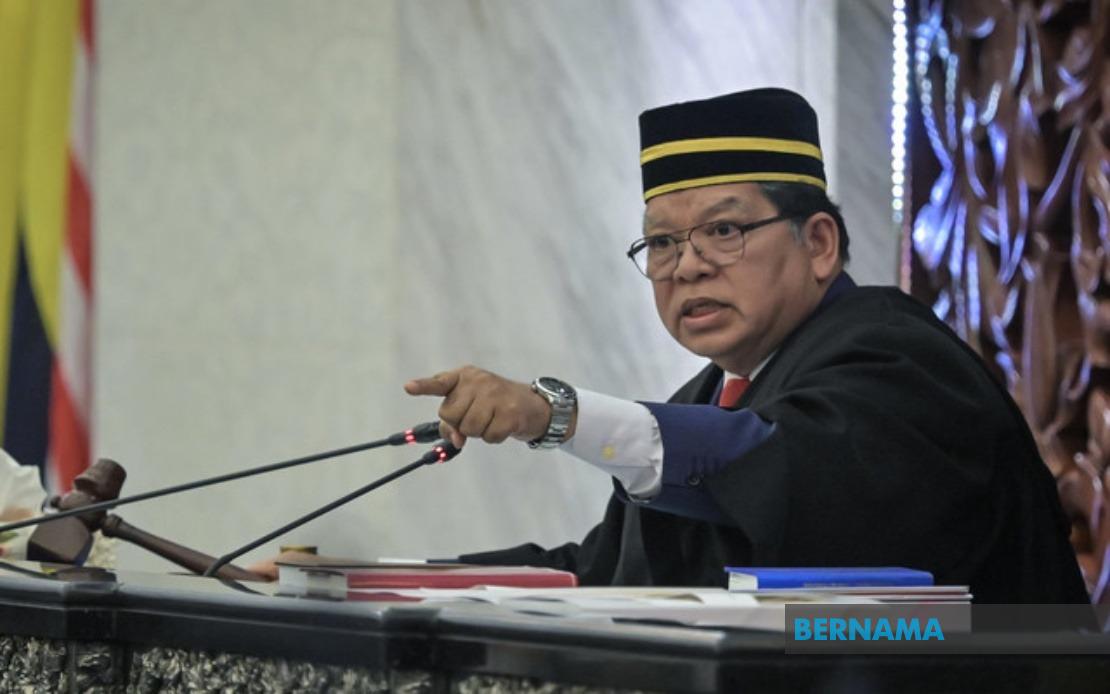
Dewan Rakyat Speaker Tan Sri Dr Johari Abdul has formally acknowledged receiving the resignation letter from Subang Member of Parliament Wong Chen, marking the end of the incumbent's tenure in the constituency. The confirmation came during a Special Dewan Rakyat Sitting in Kuala Lumpur, where the Speaker outlined the constitutional steps required following the voluntary relinquishment of the parliamentary seat.
Wong Chen had publicly announced his decision to step down through a Facebook post the previous day, submitting his resignation notice dated August 5. The decision to vacate the Subang seat represents a significant development in Malaysian parliamentary politics, as the constituency has been held by Wong since his election. His departure triggers the machinery for a by-election, a process that will engage voters in the demographically diverse federal territory constituency once again.
In accordance with Article 54(1) of the Federal Constitution, the Speaker has notified the Election Commission of the vacancy created by Wong's resignation. This constitutional obligation ensures that the proper authorities are informed and can proceed with organising the by-election process according to established electoral procedures. The notification sets in motion a series of administrative and legal requirements that must be fulfilled before polling day can be scheduled.
The Subang constituency holds particular significance within Malaysian politics given its location in the Klang Valley and its composition of urban, middle-class voters. The constituency has become known as a barometer for political sentiment in suburban Selangor, reflecting broader trends in voter preferences across the greater Kuala Lumpur region. Wong's departure therefore carries implications beyond the individual seat, potentially indicating shifting dynamics within the political landscape of this crucial electoral zone.
Wong's tenure as Subang MP has been marked by his vocal advocacy on transparency and governance issues, positioning him as an outspoken figure within parliament. His decision to resign voluntarily, rather than being defeated at the ballot box or removed through other means, distinguishes this departure from typical changes in parliamentary representation. The circumstances surrounding his resignation warrant scrutiny, as such decisions by sitting MPs often reflect broader political calculations or personal considerations that extend beyond surface-level explanations.
The by-election process in Subang will provide an opportunity for political parties to test their organisational capabilities and messaging in a significant urban constituency. For the ruling coalition and opposition alike, the result will offer insights into current voter sentiment and the effectiveness of their respective political strategies. The by-election campaign will likely focus on local issues affecting Subang residents, including infrastructure, public services, and economic opportunities in the constituency.
From a procedural standpoint, the Election Commission must now conduct its preparatory work, including the verification of voter rolls, establishment of polling stations, and coordination with relevant government agencies. The timeline for the by-election will depend on when the Commission determines the electoral machinery is ready, subject to any legal or constitutional constraints. This administrative process typically takes several weeks from the announcement of the vacancy to polling day.
The resignation also carries implications for parliamentary representation in the Subang constituency during the interim period before the by-election is held. Constituents will lack a dedicated Member of Parliament to advocate for their interests in the Dewan Rakyat, though they may receive assistance from party representatives and other elected officials at state and local levels. This representational gap, though temporary, underscores the importance of expediting the by-election process.
Politically, Wong's departure affects the balance of representation in parliament and potentially influences the composition of coalition blocs during this interim period. Depending on which party nominates a candidate and subsequently wins the by-election, the overall parliamentary arithmetic could be affected. For political analysts and observers, the Subang by-election will serve as a meaningful data point for assessing the current political climate and predicting potential outcomes in future elections.
The formal confirmation from the Speaker completes an important procedural step in transitioning the Subang seat from its current occupant to the next representative. With the Election Commission now officially notified, the machinery of the electoral process moves forward, and the focus shifts to party nominations, campaign preparations, and the mobilisation of voters. The by-election will ultimately determine whether the constituency remains represented by Wong's former party, switches to a competing political force, or experiences other shifts in its parliamentary representation that reflect the evolving preferences of Subang voters.

