Novak Djokovic arrives at the U.S. Open with a rare window of opportunity to claim his 25th Grand Slam title and stand alone atop tennis's all-time achievement list. The Serbian champion last won at Flushing Meadows in 2023, and now faces a draw where circumstances have shifted unexpectedly in his favour. Jannik Sinner's absence due to a knee injury and Carlos Alcaraz's uncertain return following four months away for a wrist problem create the conditions Djokovic needs to break clear of Margaret Court's long-standing record of 24 major titles.
For most of the past two years, the landscape of men's tennis has been dominated by youth and dominance. Alcaraz and Sinner have collectively won ten of the last eleven Grand Slam tournaments, systematically blocking Djokovic's path to history. Their combined record against the 39-year-old across the previous six majors stands at five victories, with Alcaraz inflicting particularly stinging defeats including the Australian Open final earlier this year. Each time Djokovic has positioned himself for a breakthrough, these two younger champions have found a way to deny him, making the current injuries to both men extraordinarily significant for his championship aspirations.
The psychological dimension of Djokovic's challenge cannot be overlooked. In a recently released documentary, Djokovic spoke to the Serbian concept of "inat"—a deeply ingrained cultural mentality of stubborn defiance when facing doubt and opposition. This philosophy has underpinned his entire career, particularly as he approaches the twilight of his playing days with physical limitations and reduced preparation time. The statement carries particular weight given his struggles this season and the scepticism surrounding whether a man of his age can still compete at the highest levels despite significant gaps in his preparation.
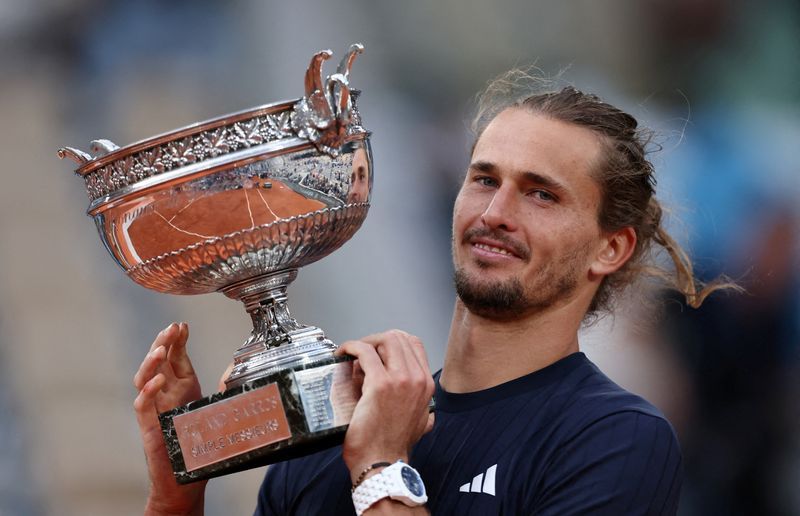
Alexander Zverev emerges as the most formidable obstacle remaining in Djokovic's path. The German recently ended a prolonged drought without a Grand Slam title by winning the French Open, subsequently reaching the Wimbledon final to firmly establish himself among the tournament's legitimate contenders. Zverev's breakthrough coupled with his demonstrated ability to perform at majors transforms him into a genuine threat, particularly given his seeding and recent form. If Djokovic is to claim his fifth U.S. Open crown, avoiding or overcoming Zverev at some point appears increasingly likely.
The question of Alcaraz's readiness remains genuinely uncertain despite his pedigree as defending champion. The Spanish sensation has built an impressive reputation for elevating his game when stakes are highest, yet the extended absence raises legitimate concerns about match sharpness and physical conditioning. His wrist injury necessitated such lengthy recovery that genuine doubt persists regarding whether he can replicate the dominance that won him last year's title. Djokovic and other contenders may encounter a slightly diminished version of the player who has tormented them throughout 2024, though dismissing Alcaraz would represent unwarranted arrogance.
Roger Federer, interviewed during the tournament fortnight, reinforced the enduring principle that Djokovic cannot be written off regardless of age or circumstances. The Swiss legend emphasized the Serbian's proven ability to produce his finest tennis when competing matters most, noting that his presence in any draw automatically elevates the likelihood he could win. Federer's confidence reflects not mere nostalgia but observable reality—Djokovic's capacity for greatness under pressure has repeatedly exceeded reasonable expectations throughout his career, making his participation inherently consequential.
Beyond Djokovic and Zverev, American players present a compelling domestic narrative. Ben Shelton, the recent Canadian Open champion, has positioned himself as a genuine contender following his breakthrough Montreal victory, though his Cincinnati runner-up finish left questions about consistency. Taylor Fritz, who reached last year's final, carries the additional weight of being America's best realistic chance to end a drought lasting since Andy Roddick's 2003 victory. Both players bring different strengths to the tournament, with Shelton's raw power contrasting against Fritz's court craft and experience.
Former champion Andy Roddick has highlighted the critical importance of Shelton's early-round performance. On his 'Served' podcast, Roddick emphasized that maintaining consistency through the opening week fundamentally determines whether emerging talents can sustain momentum in the final stages. Shelton's history at majors shows vulnerability in early rounds despite possessing formidable weapons, creating uncertainty about his ultimate ceiling at the year's final Grand Slam. The trajectory of his performance across the tournament's length will prove more revealing than his Montreal breakthrough.
The American challenge extends beyond these established names. Rising prospects like Arthur Fils and Rafael Jodar arrive with ambitions to announce themselves on tennis's grandest stage, while Felix Auger-Aliassime returns having reached the semi-finals last year. The Canadian's previous run represented a career-high major performance, and building on that achievement would further validate his credentials as a potential future champion. These younger players introduce unpredictability into the draw, potentially disrupting more traditional expectations.
Djokovic's U.S. Open quest ultimately represents one of sport's compelling narratives—the aging champion pursuing history against younger, more dominant rivals, yet granted temporary reprieve through fortune rather than merit. The absence of Sinner and Alcaraz's uncertainty create a narrower but genuine pathway to his 25th title. Whether physical limitations and preparation gaps prove insurmountable obstacles or whether the psychological force of "inat" sustains another remarkable chapter in his legacy remains the tournament's central question, with profound implications for tennis history.

