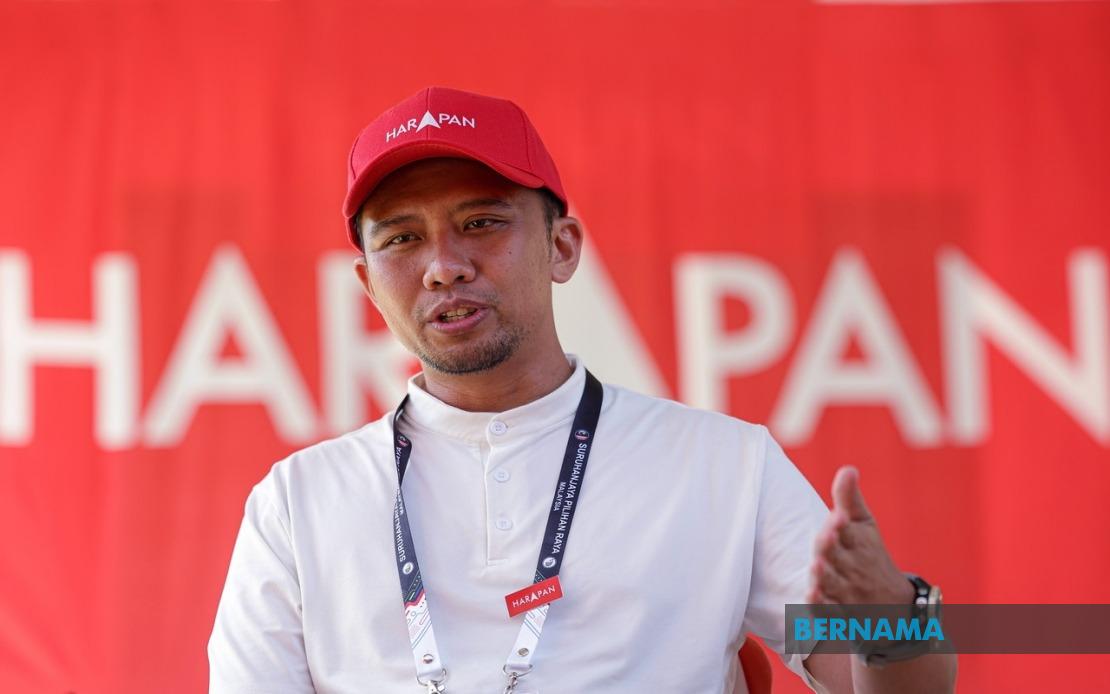
In a novel approach to electoral campaigning, Dr Azizul Hakim Mahdi, the Pakatan Harapan candidate contesting the Rantau state seat in Negeri Sembilan, has transformed his candidacy into a mobile health initiative. The 35-year-old private medical practitioner is traversing the constituency armed with campaign materials in one hand and a stethoscope in the other, providing complimentary health screenings to constituents while building political support ahead of the August 1 election.
The strategy reflects an emerging trend in Malaysian politics where candidates leverage their professional credentials to address pressing community concerns. For Dr Azizul Hakim, whose clinic operates in Senawang, the dual approach serves a practical purpose: it creates intimate points of contact with voters, especially vulnerable populations including the elderly and those managing chronic diseases. During these interactions, he reviews medications, ensures patients maintain hospital appointment schedules, and gathers intelligence on healthcare gaps that residents experience daily. This ground-level understanding of medical needs provides substantive material for policy commitments beyond standard campaign rhetoric.
Rantau, encompassing approximately 34,831 registered voters, presents both opportunities and challenges for a fresh political face. The constituency has traditionally been represented by Datuk Seri Mohamad Hasan, the incumbent defending his seat under the Barisan Nasional banner while simultaneously serving as Malaysia's Foreign Minister and chairman of the Negeri Sembilan BN chapter. The matchup pits a healthcare professional with localised clinic experience against an incumbent national-level politician, offering voters a choice between outsider momentum and established administrative machinery.
Beyond immediate health interventions, Dr Azizul Hakim's platform encompasses infrastructure and economic development objectives calibrated to address constituency-specific concerns. He proposes establishing a small industrial hub dedicated to Technical and Vocational Education and Training graduates, recognising that many TVET alumni struggle to transition productively into entrepreneurship. Such a facility could house automotive repair workshops, food processing operations, and other light manufacturing ventures, creating employment pathways for a demographic often overlooked by university-focused development strategies. This resonates particularly in constituencies where manufacturing heritage remains economically significant.
The housing dimension of his agenda targets the Sendayan area, where second and third-generation Felda settlers form a considerable voter bloc. These communities, originally established through Federal Land Development Authority schemes, now face modern pressures: rapid residential and commercial expansion has intensified competition for land, driven property costs upward, and created affordability challenges for families seeking to remain in ancestral areas. Dr Azizul Hakim's commitment to constructing affordable housing units acknowledges this demographic pressure whilst attempting to retain community stability during rapid development phases. Such commitments carry weight in constituencies where generational continuity matters politically and culturally.
Transportation and traffic management feature prominently in his development vision, reflecting complaints from constituents experiencing congestion in growth corridors. His proposal to deploy artificial intelligence-powered smart traffic light systems addresses congestion through technological means rather than conventional infrastructure expansion alone. While such solutions require coordination with municipal authorities and carry implementation costs, they appeal to voters seeking innovation-focused governance and positioning themselves as forward-thinking constituencies. The Sendayan area, experiencing substantial commercial and industrial development alongside residential growth, exemplifies zones where traffic management has become a genuine quality-of-life issue.
Educational infrastructure expansion represents another plank of his platform. Dr Azizul Hakim commits to increasing school availability through Ministry of Education partnerships, responding to resident concerns that rapid population growth in Sendayan has outpaced educational facility development. Asilah Samad, a 37-year-old Sendayan resident, articulated this gap explicitly, noting that kindergartens and primary schools lag behind demographic expansion. Her observations underscore how development planning often proceeds asynchronously—commercial and residential projects advance rapidly whilst social infrastructure struggles to keep pace. This disconnect creates legitimate grievances that political candidates can address through advocacy and budgetary prioritisation.
Security concerns also featured in resident testimonies gathered during the campaign period. Asilah Samad highlighted needs for enhanced street lighting, strategic CCTV installation, and increased security patrols as population density increases. These quality-of-life issues, often overlooked in larger development discussions, matter significantly to families evaluating neighborhood suitability. Enhanced safety measures signal governmental responsiveness to everyday anxieties, particularly relevant in growing suburban areas where sense of community safety may diminish during rapid transformation.
Dr Azizul Hakim's approach reflects broader shifts in Malaysian electoral politics, where professional credentials and sector expertise increasingly serve as campaign foundations. By offering tangible health services whilst campaigning, he simultaneously addresses voter needs and demonstrates competence in his declared field. This stands in contrast to purely rhetorical campaigns, offering constituents observable evidence of candidate capability. However, the sustainability and scalability of such initiatives remain open questions—mobile health clinics require funding, coordination, and professional staffing, expenses that campaign budgets may struggle to accommodate comprehensively across an entire constituency.
The Negeri Sembilan state election context encompasses broader territorial political dynamics. Early voting commenced on July 28, with the main polling day scheduled for August 1, compressing the campaign window into approximately five days of intensive grassroots activity. Within this condensed timeframe, Dr Azizul Hakim's health-check initiative generates media visibility whilst providing functional community service—an efficiency multiplier in resource-constrained campaigns. His positioning as a healthcare professional challenging an incumbent foreign minister creates narrative contrast, appealing to voters seeking change or alternative governance approaches.
For Malaysian political observers, the Rantau contest exemplifies how constitutional professionals are increasingly translating sector expertise into electoral platforms. Whether such candidates can translate grassroots engagement and professional credibility into sustained governance effectiveness remains empirically unsettled. Nevertheless, Dr Azizul Hakim's stethoscope-wielding campaign represents a pragmatic fusion of electoral politics and professional service delivery, potentially resonating with constituency voters prioritising tangible problem-solving over abstract political promises.

