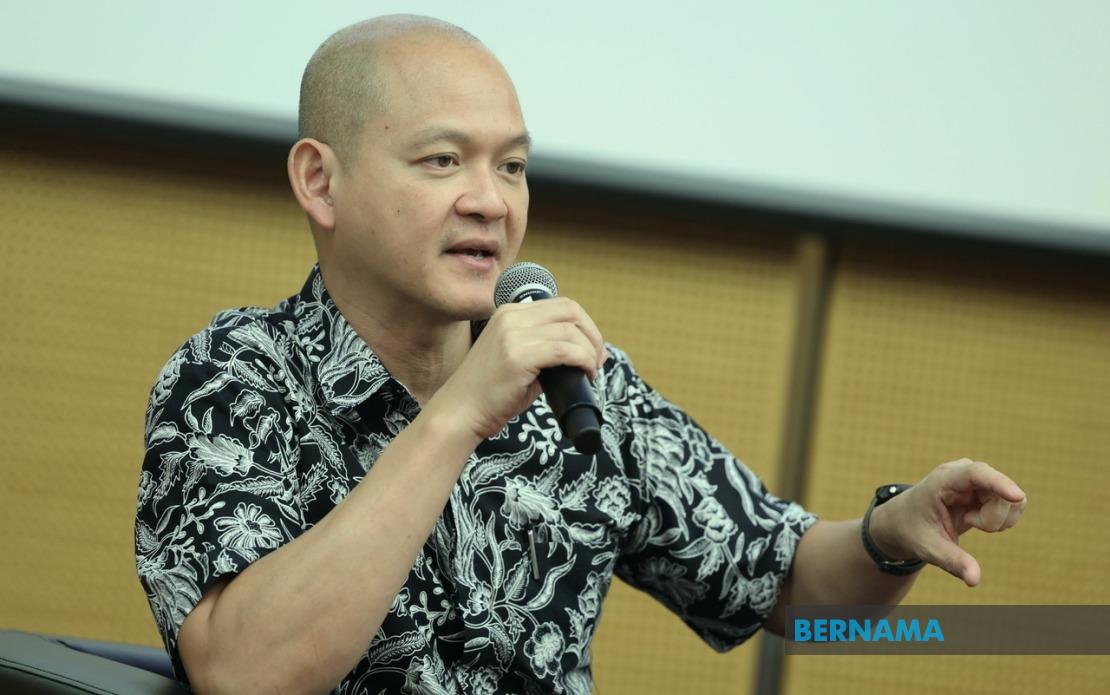
Dr Ong Kian Ming, the former Member of Parliament for Bangi, has ended his 12-year association with the Democratic Action Party through a resignation announcement made on August 31. The decision, conveyed through his Facebook statement, marks a significant departure from the opposition coalition as the country navigates the political landscape following recent electoral cycles. Ong notified DAP Secretary-General Anthony Loke Siew Fook and National Organising Secretary Khoo Poay Tiong of his intention to step down with immediate effect.
Once a prominent voice within DAP's ranks, Ong brought considerable experience to the party's leadership structures. His parliamentary representation spanned two separate constituencies—Serdang from 2013 to 2018, followed by Bangi from 2018 until 2022—positioning him as an influential figure during critical periods of Malaysian governance. Beyond the legislature, his trajectory included appointment as Deputy Minister of International Trade and Industry between 2018 and 2020, a ministerial role that demonstrated his technical expertise in economic policy during the Pakatan Harapan administration.
Within party structures, Ong occupied key positions that shaped organisational direction and strategy. His membership of the Central Executive Committee from 2019 to 2022 granted him access to high-level decision-making processes, while his subsequent election to the DAP Selangor state committee from 2018 to 2024 kept him engaged in regional political operations. These roles collectively underscored his standing as more than a backbench member, marking him instead as someone deeply embedded in party machinery and strategic planning.
The timing of his departure carries particular significance. Malaysia's political environment has shifted considerably since the 2022 general election, with power dynamics realigning and coalition partnerships evolving. The impending 16th general election represents the next major electoral moment, yet Ong has explicitly stated his intention to neither contest nor seek nomination as a candidate. This declaration effectively removes him from electoral competition, signalling a deliberate retreat from direct political competition rather than a movement toward rival parties.
Ong's assurance that he does not plan to join another political party in the foreseeable future distinguishes his departure from typical defections that characterise Malaysian politics. Rather than crossing over to opposition rivals or government-aligned parties, his stated intention suggests a complete withdrawal from partisan structures. This approach offers a contrast to the frequent party-hopping observed in Malaysian politics, where MPs and politicians regularly migrate between coalitions seeking preferment or responding to factional disputes.
Despite stepping away from formal party structures, Ong committed to continuing service to national interests through alternative mechanisms. His statement indicates that disengagement from DAP does not necessarily translate into complete withdrawal from public contribution, merely a shift in the channels and methods through which such contribution materialises. This positioning suggests potential engagement through civil society, think tanks, academic institutions, or policy forums rather than electoral politics.
The resignation reflects broader patterns within Malaysian opposition politics, where talented individuals periodically reassess their engagement with traditional political structures. For DAP specifically, the departure removes an articulate spokesperson and experienced administrator from its machinery at a time when the party navigates coalition dynamics and prepares for the next electoral cycle. Ong's track record in articulating policy positions and engaging with technical governance matters means his absence reduces the party's pool of experienced economic and trade policy expertise.
From a Selangor perspective, Ong's exit from the state committee removes active representation from constituencies that have historically demonstrated openness to DAP messaging. Bangi, the constituency he represented most recently, remains politically competitive territory where experienced voices carry particular weight. The transition of such representation to other party members potentially alters the political calculus in these areas, particularly if Ong's departure signals dissatisfaction with party direction or strategy that might resonate with his former constituents.
The broader Malaysian political context frames this development within the ongoing realignment of forces post-2022. The Anwar Ibrahim administration's establishment of a multi-coalition government has created unusual governing arrangements that continue reshaping opposition dynamics. Within this environment, decisions by experienced politicians to step away from traditional party frameworks warrant scrutiny, as they may indicate assessments about long-term political viability or philosophical divergences from party trajectories.
Ong's choice to distance himself from electoral competition while remaining open to other forms of national contribution positions him within a particular strand of Malaysian political tradition—the technocratic public servant who engages with governance through expertise rather than partisan advantage. Whether this transition proves temporary or permanent may depend on evolving political circumstances and the opportunities that emerge for individuals with his policy background and analytical capabilities.
For observers of Malaysian politics, Ong's departure represents another data point in the ongoing evolution of opposition party composition and strategy. His explicit statements about future intentions—no new party affiliation, no electoral contests—set clear parameters around his future trajectory, potentially sparing speculation about imminent defections or candidatures that frequently characterise Malaysian political departures. This clarity, combined with his continued commitment to national service through unspecified channels, suggests a reflective reassessment of how best to contribute to Malaysia's political and policy landscape.

