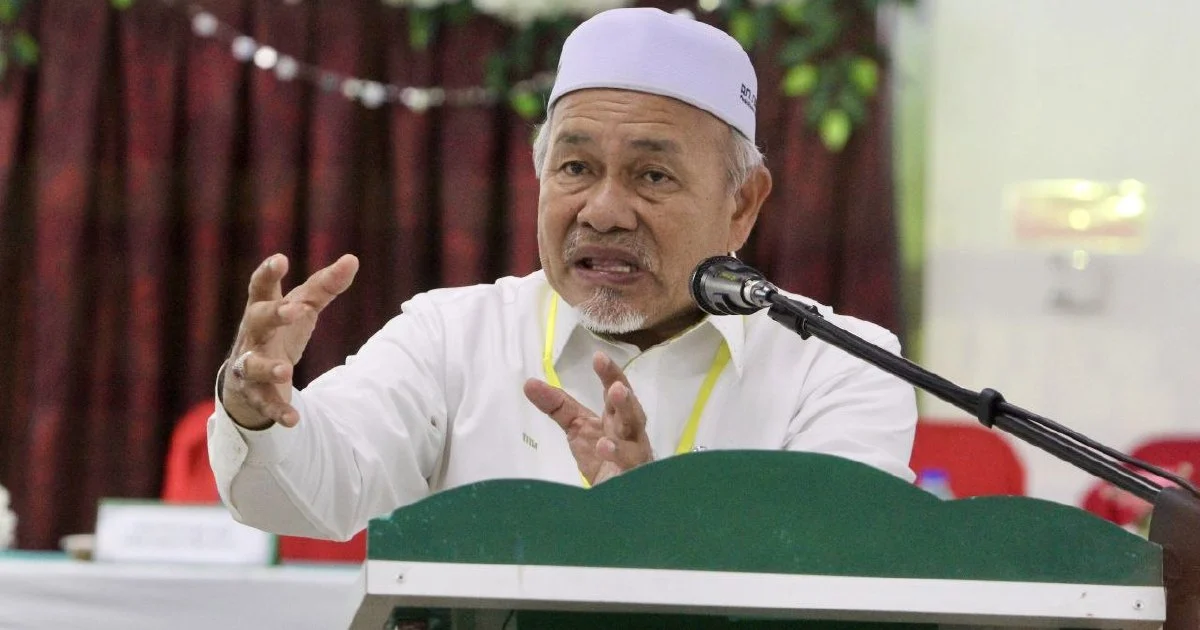
Prime Minister Datuk Seri Anwar Ibrahim is unlikely to dissolve Parliament and call a snap general election in the near term, according to Pas deputy president Datuk Seri Tuan Ibrahim Tuan Man, who attributes this calculation to Barisan Nasional's recently demonstrated electoral strength in the Johor state assembly elections.
The assessment reflects a significant political reality in Malaysia's current landscape: the confidence gained from strong state-level performance often influences ruling coalitions' strategies at the federal level. Barisan Nasional's commanding showing in Johor—traditionally one of the nation's most closely watched political battlegrounds—has created momentum that fundamentally alters the calculus for the federal government. Rather than risking this advantage through early elections, the conventional wisdom suggests maintaining the status quo while capital remains in hand.
Tuan Ibrahim's comments carry weight within the ruling coalition, as PAS occupies a crucial position in the Pakatan Harapan-led government. The Islamic party's perspective on electoral timing reflects considerations that extend beyond mere opinion-mongering; they represent calculations grounded in coalition dynamics and strategic positioning. By publicly signalling that early elections are improbable, Tuan Ibrahim effectively manages expectations across the political spectrum while reinforcing stability messaging.
From an administrative standpoint, calling elections prematurely when momentum already favours your coalition defies conventional political logic. The government can now consolidate gains without the uncertainty and disruption that campaign periods inevitably introduce. This allows Anwar Ibrahim's administration to maintain focus on governance initiatives, economic policies, and legislative priorities without the fractious nature of campaign-season politics intruding upon day-to-day operations.
The Johor result carries particular significance for Barisan Nasional, which has worked steadily to rebuild its standing following its historic defeats in the 2018 general election. That watershed moment fundamentally reshaped Malaysian politics, ending Barisan's uninterrupted six-decade reign. The coalition's recovery in recent state elections demonstrates that its comeback narrative holds traction among voters, at least in specific geographical and demographic contexts. Johor's scale and importance amplify this recovery message considerably.
For Prime Minister Anwar Ibrahim, restraint regarding early elections aligns with his government's stated priorities around economic stabilisation and fiscal reform. These objectives require sustained effort and policy implementation that cannot easily be pursued during the campaigning frenzy surrounding a general election. The government has inherited significant economic challenges, ranging from debt management to business confidence restoration, matters demanding consistent attention rather than electoral disruption.
The coalition government's composition also influences electoral timing decisions. Pakatan Harapan remains a complex alliance bridging substantial ideological and organisational differences. Barisan Nasional's inclusion in this arrangement adds further complexity. Calling elections carries inherent risks of fractious coalition relations becoming fully exposed during campaigning. By avoiding early elections, Anwar Ibrahim preserves the delicate equilibrium that currently permits governance continuation.
Yet Tuan Ibrahim's remarks warrant careful interpretation within Malaysia's perpetually fluid political environment. In Malaysian politics, statements about electoral probabilities often contain multiple layers of meaning, serving both to signal genuine intentions and to position parties strategically within coalition negotiations. The deputy president's observation, while seemingly straightforward, may simultaneously communicate firmness within coalition discussions regarding governmental continuity and resource allocation.
Regionally, Malaysia's electoral stability carries implications extending beyond our borders. Southeast Asia's other democracies monitor political developments here closely, as Malaysia occupies a significant position within ASEAN and broader regional frameworks. Stable governance environments facilitate economic investment, regional cooperation, and diplomatic engagement—all considerations that inform calculations about election timing.
For Malaysian voters and observers, the practical implication remains that the parliamentary term, constitutionally fixed until 2026, will likely extend its course without early dissolution. This provides a window for evaluating the government's performance across multiple quarters and policy cycles. Voters can assess actual governance delivery rather than campaign promises alone, offering a more substantial foundation for eventual electoral judgement.
The political establishment's apparent consensus favouring governmental continuity reflects broader recognition that electoral uncertainty introduces costs alongside democratic renewal benefits. By maintaining stability while capitalising on Barisan's improved positioning, the ruling coalition optimises conditions for both consolidating its advantage and delivering tangible outcomes to an electorate increasingly focused on economic performance and public service quality.
Looking forward, this period of stability enables deeper coalition consolidation and clearer policy implementation. Whether Tuan Ibrahim's assessment proves prescient will become evident in coming months, as the government navigates economic pressures, legislative sessions, and the inevitable surprises characterising Malaysian politics. For now, his commentary reflects the most rational political positioning available to an administration enjoying both momentum and the burden of governing multiple constituencies simultaneously.

