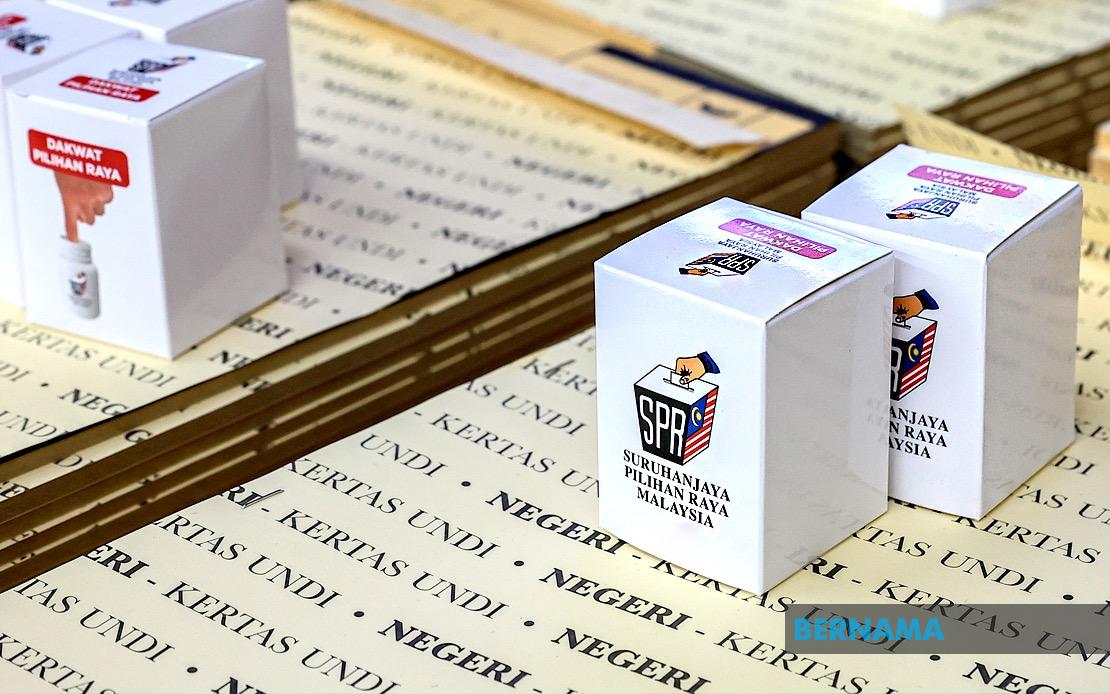
The Election Commission has launched a fresh campaign to encourage Malaysians who have moved to update their voting addresses, stressing that the integrity of the nation's representative democracy depends on voters casting ballots in the constituencies where they actually reside. Speaking on a radio programme in Kuala Lumpur, EC deputy chairman Dr Azmi Sharom explained that Malaysia's political structure is fundamentally built around geographic representation, with State Assemblymen and Members of Parliament elected to serve specific communities. When voters maintain registration in distant hometowns while living elsewhere, this foundational principle becomes compromised.
The deputy chairman articulated a straightforward but often overlooked truth: citizens should participate in selecting the legislators who directly influence their daily lives and local governance. Voting hundreds of kilometres away in a constituency one no longer inhabits disconnects the electoral outcome from the actual constituents who experience the consequences of representation. This misalignment between voters and their elected representatives creates inefficiencies and weakens accountability mechanisms that are central to Malaysia's democratic framework. The EC's push to modernise voter records therefore reflects practical concerns about governance effectiveness rather than mere administrative tidiness.
Understanding that personal attachment to one's birthplace or family hometown can create emotional resistance to such changes, Dr Azmi acknowledged this cultural reality while nonetheless emphasising the systemic importance of address updates. Many Malaysians maintain deep connections to their places of origin and may feel reluctant to sever that symbolic link through voter registration changes. However, the deputy chairman argued persuasively that sentimental considerations must yield to the functional requirements of representative democracy. The system cannot operate optimally when demographic reality diverges sharply from electoral rolls.
A significant administrative innovation supports this push: voters can now update their addresses online, removing bureaucratic friction that previously discouraged changes. Before making any voting address modification, citizens must first update their identity card addresses through the standard channels, reflecting the importance Malaysia places on documentation accuracy. The streamlined digital process represents a genuine effort by the EC to reduce barriers to compliance and modernise electoral administration for a digital-age electorate.
The EC has also accelerated the schedule for updating electoral rolls. Previously, these records underwent revisions quarterly, creating lengthy delays between when voters moved and when their registration reflected their new location. The shift to monthly updates means that address changes now process considerably faster, reducing the window during which voters might be registered in incorrect constituencies. This efficiency improvement demonstrates the commission's recognition that practical barriers to compliance needed addressing alongside public messaging.
The timing of this announcement proves particularly significant given two imminent state elections. The Johor state election, scheduled for July 11, represents the larger immediate logistical undertaking. Dr Azmi indicated that final preparations are substantially complete, with remaining work confined to resolving technical and operational details. The poll will deploy more than 43,000 election workers across the state, reflecting the substantial human and material resources required to conduct democratic exercises in Malaysia's second-largest state.
Negeri Sembilan's electoral process remains at an earlier phase of preparation. The nomination process has not yet commenced, meaning candidates are still being formalised and registered. Ballot papers have not begun printing, indicating that the state remains several procedural steps removed from actual polling day. Dr Azmi's candid assessment of these differing timelines suggests the EC is managing parallel election preparations at distinct velocity, allocating resources according to specific timelines rather than applying a one-size-fits-all approach.
The deployment of over 15,000 personnel for the Negeri Sembilan election, despite its smaller population, underscores the labour-intensive nature of democratic administration even in relatively compact constituencies. These workers must be recruited, trained, positioned at polling stations, and coordinated across multiple districts to ensure smooth operations. The human dimension of electoral conduct often receives less attention than political strategies or campaign narratives, yet represents the actual mechanism through which voting intentions translate into counted ballots.
Dr Azmi's public acknowledgment of election workers' contributions reflects institutional awareness that these largely unseen public servants deserve recognition. The hundreds of thousands of individuals involved in state and federal elections operate within tight procedural frameworks, often working long hours under pressure, and receive comparatively modest compensation. Expressing appreciation for their commitment serves both morale functions and public relations purposes, reinforcing public confidence that professional administration guides electoral processes.
For Malaysian voters contemplating whether to update their registration addresses, the practical considerations align with democratic principles. Those who have genuinely relocated should register where they currently live, ensuring they vote alongside and for representatives who will actually impact their communities. The online system now permits this within weeks rather than months. As Johor voters head to polls this week and Negeri Sembilan voters prepare for their upcoming exercise, the EC's push for accurate voter rolls represents an unglamorous but essential foundation for Malaysia's continuing democratic practice.

