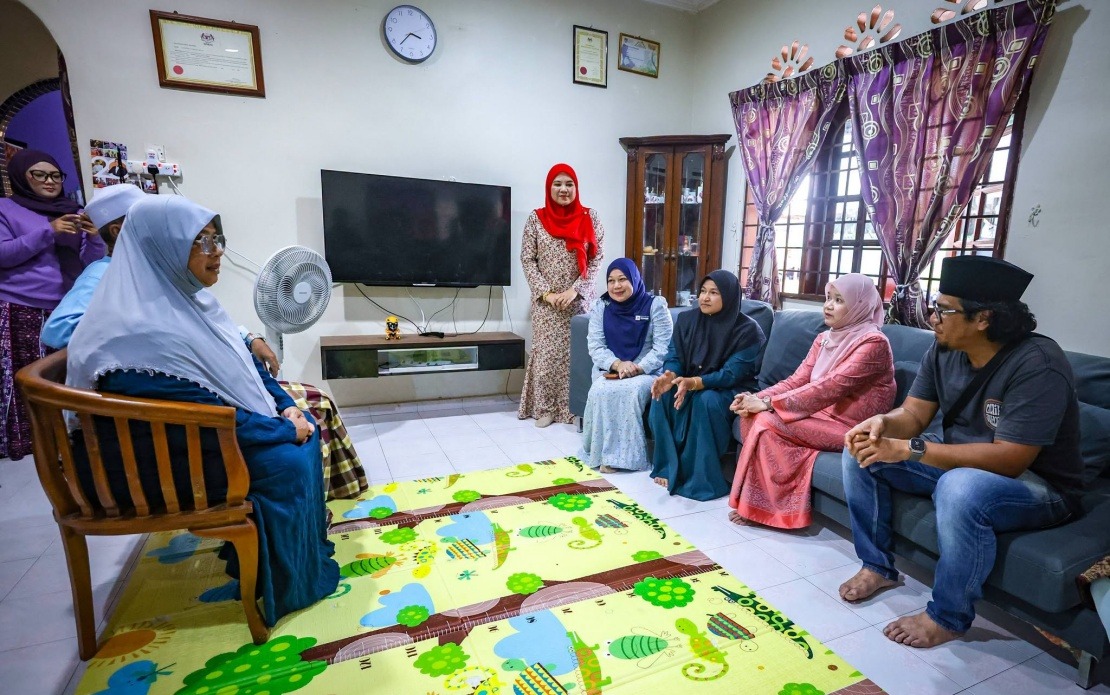
Education Minister Fadhlina Sidek has made a formal visit to the family of Muhammad Raiyan Nufael, a Form Two student who died following a sudden collapse during a rugby training session at a school in Telok Mas, Melaka. The tragic incident occurred on Wednesday evening at approximately 6 pm, and the ministerial visit represents the education sector's acknowledgement of the loss and its commitment to supporting the grieving family during this difficult period.
The young student, aged fourteen, had only been participating in the rugby training for approximately fifteen minutes before he experienced respiratory distress. According to accounts of the incident, the teenager collapsed while listening to instructions from the coach following a scheduled break in the training session. The sudden nature of the medical emergency underscores the unpredictable risks that can emerge during intensive physical activities, even in supervised school environments.
In her social media statement, Fadhlina conveyed the Ministry of Education's formal condolences and expressed hope that the family would find solace in their faith during this time of mourning. Her words reflected both institutional sympathy and recognition of the spiritual comfort that such expressions can provide to bereaved families in Malaysia's Muslim-majority society.
This incident raises important questions about student safety protocols during athletic training in Malaysian schools. While rugby remains a popular sport in educational institutions across the country, incidents involving sudden medical events during training highlight the need for comprehensive risk management strategies. Schools must consider factors including adequate medical supervision, properly trained first-aid responders positioned near training areas, and clear emergency response procedures that can be activated within seconds of a medical crisis.
The case also brings attention to the broader issue of heat stress and exertion-related complications in tropical climates like Malaysia. During afternoon training sessions, students can be particularly vulnerable to heat exhaustion and heat stroke, conditions that can escalate rapidly and become life-threatening. The combination of intense physical exertion, Malaysia's humid equatorial environment, and the physical demands of rugby creates a concerning context in which even young, ostensibly healthy athletes can experience sudden physiological failure.
Parental concerns about school sports safety have been mounting across Southeast Asia in recent years, with numerous cases highlighting the sometimes inadequate medical preparedness at educational institutions. The presence of automated external defibrillators, trained personnel who can perform cardiopulmonary resuscitation, and immediate access to emergency medical services can mean the difference between life and death in cases of sudden cardiac arrest or other acute medical events during physical activity.
Muhammad Raiyan's death will likely prompt a review of safety practices not only at his school but potentially across Melaka's educational system. Questions will naturally arise regarding whether the coaching staff were adequately trained in recognising signs of medical distress, whether appropriate hydration and recovery protocols were in place, and whether medical personnel were stationed nearby during the training session. Such reviews, while sometimes difficult for schools to undertake, are essential for preventing similar tragedies in the future.
The incident also underscores the emotional toll that such events take on school communities. Coaches, fellow students, and school administrators often experience significant trauma following a student death, and providing psychological support to these individuals is an often-overlooked aspect of institutional response. Schools should establish protocols not only for preventing medical emergencies but also for supporting the mental health of everyone affected by such tragedies.
Beyond immediate school-level considerations, this case highlights the importance of nationwide guidelines for athletic training in educational settings. Malaysia's Ministry of Education may use this incident as an opportunity to issue or reinforce directives regarding mandatory medical screening for athletes, requirements for coaches' training in emergency response, and standardised protocols for resuming athletic activities following a student death. Other Southeast Asian nations facing similar challenges could benefit from studying Malaysia's response to this tragedy.
The broader context of student welfare in Malaysian schools encompasses not only physical safety during organised sports but also general health monitoring, access to mental health services, and nutrition education. Creating a comprehensive culture of safety requires coordination among educators, parents, medical professionals, and government agencies, ensuring that every decision about student activities prioritises wellbeing alongside academic and athletic development.
As the Nufael family grieves the loss of Muhammad Raiyan, the educational sector faces the responsibility of learning from this tragedy to better protect the thousands of young athletes who participate in rugby and other sports across Malaysian schools. The ministerial visit by Fadhlina signals that this incident will not pass without official acknowledgement, and suggests that systemic review and potential policy adjustments may follow.
Moving forward, schools throughout Malaysia should conduct thorough audits of their athletic training facilities, emergency response capabilities, and coaching staff qualifications. Investment in preventative health measures, including pre-participation medical screenings and heat illness prevention programmes, could prove invaluable. While no system can eliminate all risks, thoughtful preparation and robust safety protocols can significantly reduce the likelihood of preventable tragedies during school sports activities.

