During the recent ASEAN Foreign Ministers' Meeting held in Manila, Egypt and Russia have charted an ambitious roadmap to deepen their strategic partnership through a series of interconnected economic and infrastructure projects. Egyptian Foreign Minister Badr Abdelatty and Russian Foreign Minister Sergey Lavrov used the sidelines of the gathering to review their bilateral relationship and outline fresh areas for collaboration that reflect both nations' shared interests in trade, energy security, and cultural exchange.
Among the most significant developments discussed was the establishment of a comprehensive logistics corridor within Egypt specifically designed to facilitate the storage and distribution of grain and petroleum products. This infrastructure initiative carries particular weight for the broader region, as it positions Egypt as a critical hub for managing commodity flows that impact food and energy security across the Eastern Mediterranean and Middle East. By creating streamlined mechanisms for the movement of these essential goods, the two countries aim to reduce bottlenecks in supply chains and enhance efficiency in their bilateral trade relationships. The corridor represents a practical expression of cooperation that extends beyond diplomatic rhetoric into tangible economic benefit.
The nuclear sector continues to be a cornerstone of Egyptian-Russian cooperation, with Abdelatty highlighting concrete progress on the El Dabaa Nuclear Power Plant project. The installation of the reactor vessel for the facility's second unit, completed on July 9, marks a significant milestone in what has become one of the region's most closely watched infrastructure undertakings. This project underscores Russia's technical capabilities in nuclear engineering and Egypt's commitment to diversifying its energy portfolio to meet growing domestic demand. For Southeast Asian observers, the project demonstrates how larger regional powers are addressing energy challenges through international partnerships and advanced technology transfer.
Complementing the nuclear initiative, the two nations are advancing plans to establish a Russian industrial zone within the Suez Canal Economic Zone. Abdelatty expressed optimism about the operational timeline for this facility, which would create a dedicated space for Russian industrial activities and further embed Moscow's economic presence within one of the world's most strategically important waterways. The Suez Canal Economic Zone has become an increasingly attractive destination for foreign investment, and Russia's participation reflects broader patterns of competition and cooperation among major powers seeking influence in critical global trade routes that affect maritime commerce globally.
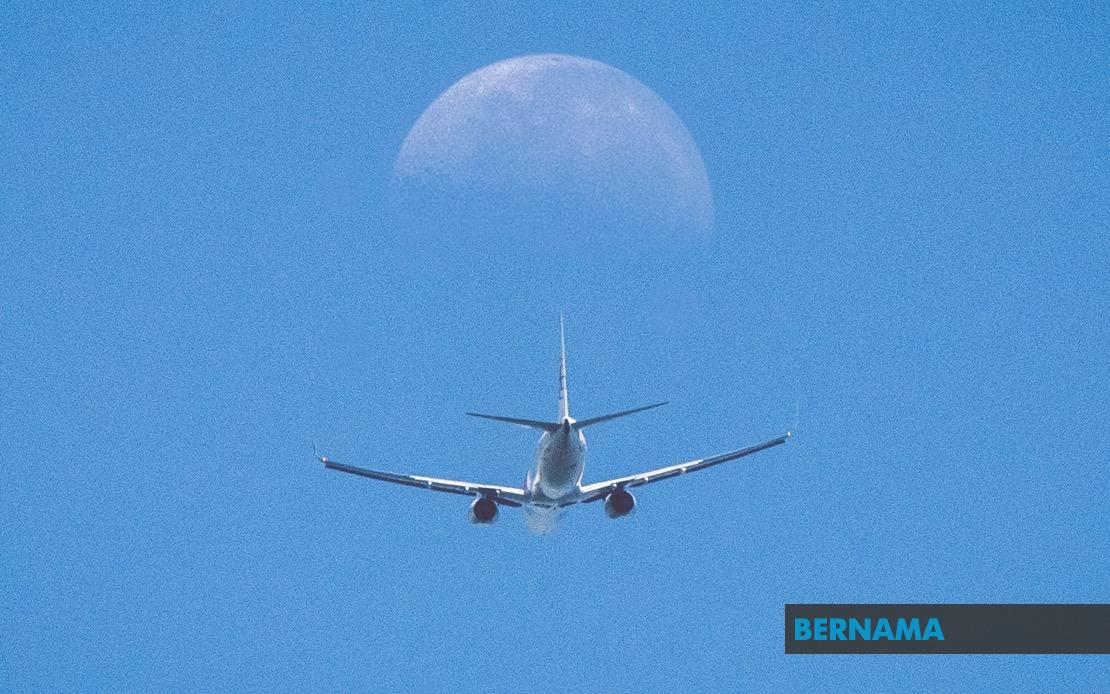
In a bid to strengthen people-to-people connections and boost visitor numbers from Russia, the two countries have made substantial progress on aviation arrangements. Russia recently completed the initial accreditation process for two international airports in Egypt, paving the way for the launch of seasonal flight services between Moscow and Egyptian destinations. This development is particularly significant for tourism recovery in Egypt, which has long relied on Russian visitors as a major source of foreign currency and employment. Seasonal routing allows both countries to capitalize on favourable travel periods while managing operational costs, making such arrangements attractive to both carriers and tourists seeking affordable leisure travel.
Lavrov seized the opportunity to reaffirm Moscow's commitment to the strategic partnership while emphasizing the importance of coordinated positions on regional and international matters. The Russian minister's remarks reflect a broader geopolitical calculation wherein Egypt, as a pivotal nation bridging Africa, the Middle East, and the Mediterranean, holds significant value for Russian regional influence. The emphasis on maintaining close coordination signals that bilateral ties extend well beyond commercial interests into the realm of diplomatic alignment on key international issues.
Beyond the bilateral agenda, Lavrov's participation in the annual Russia-ASEAN Foreign Ministers' Meeting produced its own set of collaborative commitments. Both Russia and the ten-member ASEAN bloc agreed to intensify cooperation across multiple sectors including trade and investment, cultural initiatives, and educational programmes. These exchanges form the infrastructure through which nations build mutual understanding and create platforms for dialogue on contentious issues. Food and energy security emerged as priority focus areas, reflecting shared concerns about supply chain vulnerabilities and long-term resource sustainability in an increasingly uncertain geopolitical environment.
Digital transformation and the platform economy have also been designated as priority collaboration zones for Russia-ASEAN engagement. These sectors represent the future direction of economic development and competitiveness in the 21st century, and both Russia and Southeast Asian nations recognize the necessity of coordinating approaches to technological advancement and digital governance. The inclusion of these modernized sectors alongside traditional areas of cooperation demonstrates an evolution in Russia's engagement strategy with the region, moving beyond conventional energy and defence partnerships into emerging domains that will shape economic outcomes for years to come.
For Malaysia and other Southeast Asian nations, these developments carry several implications worth monitoring. The deepening Russia-Egypt partnership and expanded Russia-ASEAN coordination create a multipolar dynamic that provides smaller nations with increased flexibility in their own diplomatic and economic relationships. The emphasis on food and energy security resonates particularly strongly in Southeast Asia, where energy dependence and food import reliance remain significant policy concerns. Furthermore, the successful execution of large-scale infrastructure projects like the logistics corridors and the nuclear plant demonstrates technical and organizational capabilities that regional nations may seek to leverage through similar partnerships.
The trajectory of Egyptian-Russian cooperation also illustrates how nations facing external pressures or sanctions can strengthen ties with partners offering complementary strengths and strategic interests. Russia's ability to provide technological expertise in nuclear energy and industrial development, combined with Egypt's geographic advantages and market access, creates a mutually reinforcing partnership. This model has relevance for how Southeast Asian countries might structure their own international partnerships, particularly in seeking technology transfer and infrastructure development from non-Western sources.
Looking ahead, the success of these initiatives will depend on consistent follow-through and sustained political will from both sides. The logistics corridor must translate into operational reality, the Russian industrial zone must attract investment and generate employment, and seasonal flights must prove economically viable. Progress on these fronts will serve as a bellwether for the broader trajectory of Egyptian-Russian relations and potentially influence how other regional actors assess the viability of similar partnership models. For investors and policymakers throughout Southeast Asia, tracking the implementation of these Egyptian-Russian projects offers valuable lessons in bilateral cooperation mechanisms and the challenges of translating high-level agreements into functioning economic arrangements.

