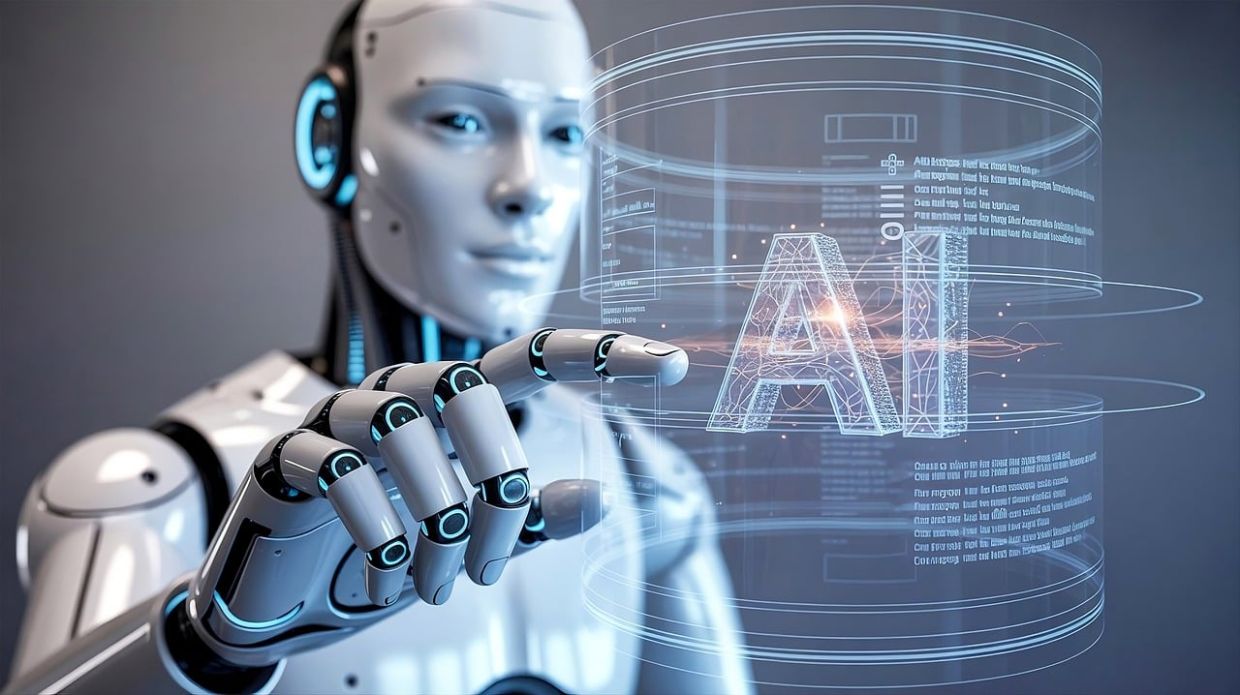
Estonia is poised to pioneer an unprecedented governance framework by assigning personal identification numbers to artificial intelligence systems, a move that would effectively grant AI assistants legal standing and create mechanisms for holding them accountable for actions performed on behalf of businesses, institutions and individuals. Prime Minister Kristen Michal announced the initiative via social media, positioning the small Baltic nation of 1.3 million as a potential global leader in addressing one of the most pressing regulatory challenges of the artificial intelligence era. Though the prime minister did not specify implementation timelines, the announcement signals Estonia's commitment to moving swiftly on an issue that has prompted governments worldwide to grapple with fundamental questions about legal responsibility, liability and the rights of non-human actors in the digital age.
The proposal reflects Estonia's long-standing reputation as a digital innovator and early adopter of transformative technology. The country has built an extensive digital infrastructure over decades, with personal identification numbers serving as the backbone of its e-governance ecosystem. Citizens routinely employ these digital identities for activities ranging from marriage registration to medical appointments to document authentication, a system that has substantially reduced bureaucratic friction and eliminated much of the paperwork-heavy processes that characterise government interactions in other jurisdictions. This established framework of digital identity management has created a foundation upon which the government can conceptually build similar systems for autonomous AI entities.
The initiative carries particular significance given Estonia's existing position as an exporter of digital solutions. Through its e-residency programme, the government offers digital identification services to global businesses and entrepreneurs, generating substantial tax revenue while positioning the nation as a trusted provider of digital governance tools. By extending this system to encompass AI assistants, Estonia would be monetising another valuable service while simultaneously establishing itself as a testing ground for innovative regulatory approaches. This expansion suggests a strategic calculation that AI legal identity frameworks will become an increasingly valuable commodity as nations race to establish workable governance models.
Estonia's technological orientation extends beyond conceptual frameworks into practical deployment. The nation has positioned itself at the forefront of artificial intelligence integration within public administration, having systematically introduced AI-powered chatbots across its school system through partnerships with prominent technology firms including OpenAI. This hands-on experience with deploying AI systems at scale has likely informed policymakers' understanding of both the capabilities and challenges associated with autonomous systems operating within institutional contexts. The government's willingness to embrace AI in education demonstrates confidence in the technology while simultaneously creating valuable datasets and operational insights for refining future policy interventions.
The announcement also reflects the influence of Estonia's technological elite within government decision-making. Prime Minister Michal established a dedicated artificial intelligence advisory council staffed by prominent technology entrepreneurs and executives, including leadership from Bolt Technology OU, the ride-hailing platform that has emerged as one of Europe's most valuable startups. This advisory structure ensures that policymaking incorporates perspectives from the private sector technology community, creating a more sophisticated understanding of AI capabilities and commercial applications. Recently, the prime minister participated in sessions exploring advanced coding techniques and constructed what was described as a "PM Cockpit" utilising Anthropic's Claude agent, demonstrating hands-on engagement with AI tools and their potential applications in government coordination.
The legal framework under consideration would represent a conceptual break from traditional approaches to artificial intelligence regulation. Rather than treating AI systems as tools whose creators bear full responsibility for outcomes, the personal identification approach suggests that sufficiently autonomous systems warrant their own legal standing. This framework raises profound questions about liability distribution—whether creators, deploying organisations, or the AI systems themselves would bear primary responsibility for harmful outcomes. The mechanism would potentially allow AI assistants to be held accountable through the legal system while establishing clearer rules of conduct and liability assignments across the innovation ecosystem.
For Malaysia and other Southeast Asian nations, Estonia's initiative carries important implications. As the region moves toward greater artificial intelligence adoption across banking, healthcare, government and commerce, questions about legal accountability become increasingly pressing. Malaysian policymakers and regulators will likely monitor Estonia's implementation closely, considering whether similar frameworks might be appropriate within the Malaysian context. The approach offers a potential template for balancing innovation encouragement with consumer protection and institutional accountability. However, adaptation would require careful consideration of Malaysia's existing legal frameworks, cultural contexts and regulatory philosophies.
The global regulatory environment surrounding artificial intelligence remains fragmented and evolving rapidly. The European Union's AI Act represents one major attempt to establish comprehensive rules, but questions about legal personhood and accountability remain incompletely addressed. Estonia's proposal to grant AI systems personal identification numbers effectively answers one of these unresolved questions—creating a precedent that other nations may either emulate or explicitly reject. The decision carries implications for how international standards around AI governance eventually coalesce, potentially influencing regulatory approaches across multiple jurisdictions.
Implementing such a system would require Estonia to address numerous technical and philosophical challenges. Questions about which AI systems qualify for identification numbers, how accountability mechanisms would function in practice, and whether the approach might inadvertently shield human creators from liability all require careful consideration. The framework would also need to interact coherently with existing legal systems governing contract formation, criminal responsibility and civil liability. These implementation challenges suggest that while Estonia's announcement signals serious intent, substantial work remains before the system becomes operational.