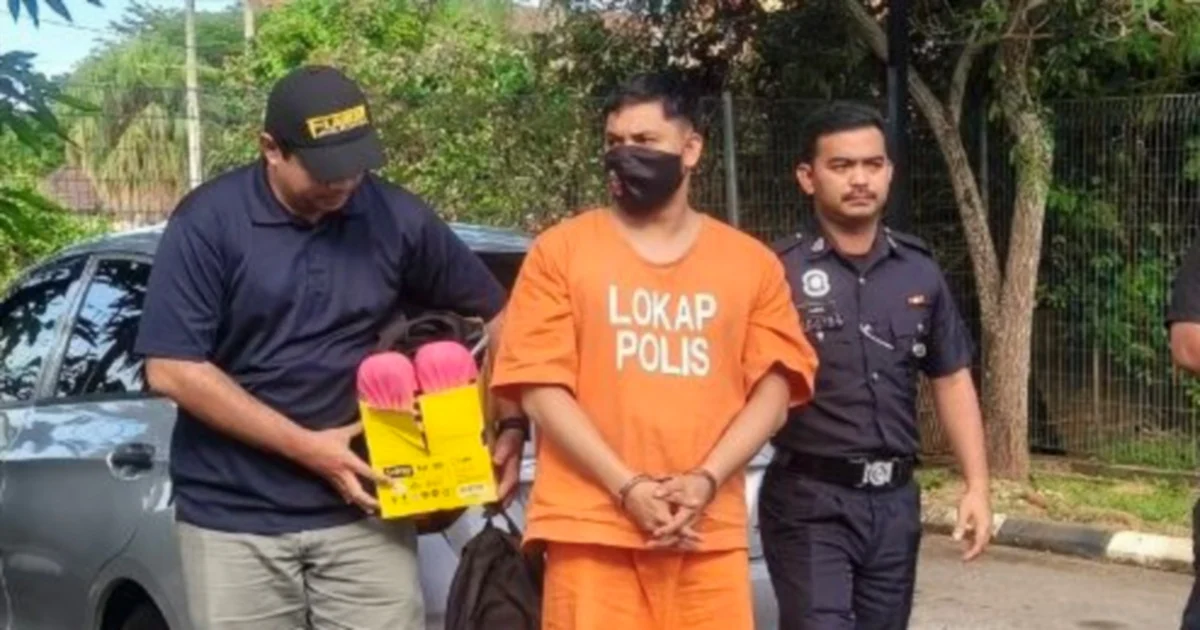
A former information technology engineer was convicted in the Besut magistrate's court today and ordered to pay RM18,000 in penalties after confessing to misusing identity documents to illegally access government subsidies. The accused, who entered a guilty plea to three counts of identity fraud, faces an alternative sentence of 18 months' imprisonment should he fail to settle the financial penalty.
The case highlights persistent vulnerabilities within Malaysia's subsidy distribution mechanisms, particularly the Budi95 programme, which was designed to provide digital access and affordable computing devices to lower-income households. By exploiting the identity documents of others, the defendant circumvented verification protocols and secured benefits that were intended for legitimate applicants, depriving actual eligible recipients of limited resources.
Identity fraud remains a recurring challenge across Southeast Asian administrative systems, though Malaysia's enforcement agencies have intensified crackdowns in recent years. The Budi95 initiative, launched to bridge the digital divide in rural and semi-urban areas, operates on the premise that applicants provide genuine personal documentation during registration. When such safeguards are breached through organised fraud or individual opportunism, the entire credibility of the subsidy scheme comes into question.
The defendant's background as an information technology professional adds a troubling dimension to this case. Someone with technical expertise and systemic knowledge would be better positioned to identify and exploit weaknesses in digital verification processes than ordinary citizens. This suggests that fraud detection protocols within government agencies handling subsidy disbursement may require strengthening, particularly against perpetrators with specialised skills who can navigate technological barriers designed to prevent abuse.
Besut, located in Terengganu on the east coast of Peninsular Malaysia, has historically faced challenges in digital infrastructure development. The region's socioeconomic profile meant it was a primary target area for the Budi95 programme. When subsidy fraud occurs in such communities, the impact extends beyond individual losses—it erodes public confidence in government initiatives meant to reduce inequality and improve digital literacy among disadvantaged populations.
The magistrate's decision to impose both a substantial financial penalty and a custodial alternative demonstrates the judiciary's determination to treat subsidy fraud as a serious offence. The RM18,000 fine represents a significant deterrent, though enforcement of payment collection can prove challenging depending on the offender's financial circumstances. The 18-month jail option ensures compliance by creating genuine consequences for non-payment, a measure increasingly applied in Malaysian courts for financial crimes.
Subsidy abuse cases such as this prompt broader questions about the adequacy of identity verification systems across government agencies. Malaysia's civil registration database and identity card infrastructure are generally sophisticated, yet vulnerabilities persist when multiple people can present the same identity document to different agencies, or when verification occurs offline. Real-time cross-referencing of applications against centralised databases could theoretically prevent such fraud, though implementation across all subsidy programmes remains incomplete.
The Budi95 scheme operates within a larger ecosystem of government assistance programmes targeting different demographics and objectives. From unemployment benefits to housing subsidies, the system's integrity depends on consistent, reliable verification of applicant eligibility. When fraud goes undetected, it creates cascading problems: reduced programme effectiveness, budget overruns, and justification for policymakers to cut allocations or tighten eligibility criteria, ultimately harming genuinely deserving recipients.
Enforcement actions like today's conviction serve a dual purpose beyond punishing the individual offender. They signal to potential fraudsters that subsidy programmes are monitored and that consequences are real and substantial. For Malaysia's digital transformation agenda, maintaining public trust in government-backed initiatives is essential. When subsidies are seen as vulnerable to abuse, uptake among legitimate beneficiaries may decline as faith in the system weakens.
The case also underscores the importance of public awareness campaigns educating citizens about the consequences of subsidy fraud and encouraging reporting of suspected abuses. Community vigilance, combined with sophisticated technological monitoring and occasional high-profile prosecutions, creates multiple layers of deterrence. Terengganu state authorities and federal agencies managing Budi95 will likely view this conviction as an opportunity to review their verification procedures and identify additional safeguards.
Looking forward, the conviction raises expectations that government agencies will implement lessons learned from this case. Whether through enhanced digital verification, mandatory biometric authentication at point of claim, or closer inter-agency information sharing, the subsidy system must evolve to prevent similar abuses. For Malaysia's broader development objectives, ensuring that assistance reaches its intended beneficiaries remains paramount.

