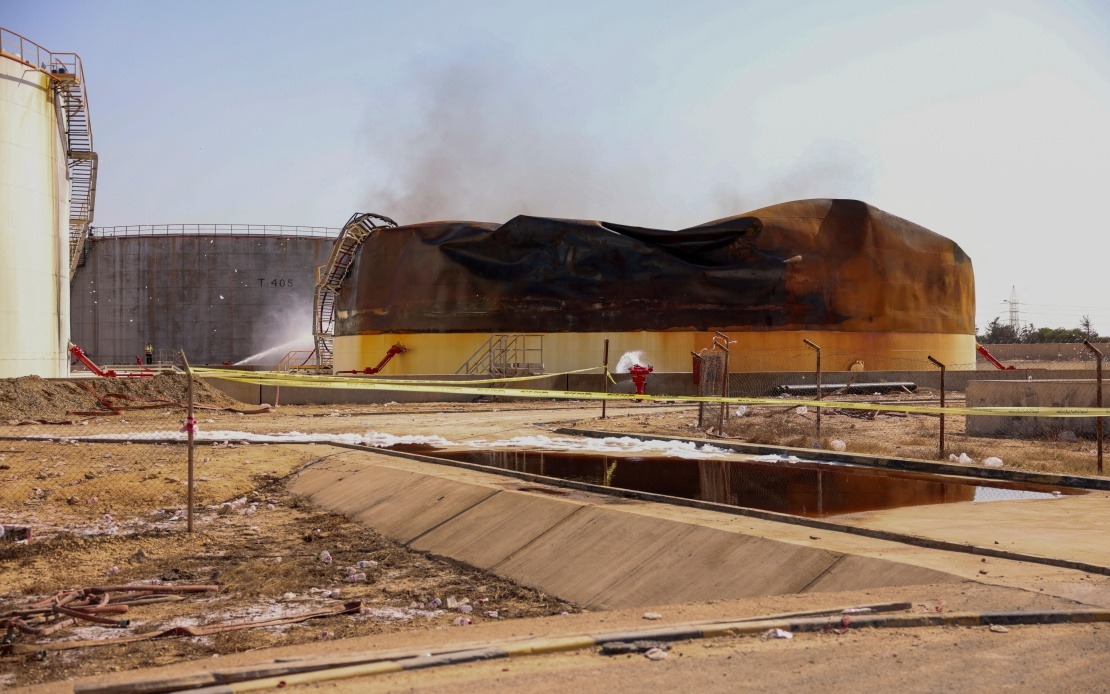
Western Libya's critical energy infrastructure has suffered a significant blow following an explosion that struck near the Zawiya power plant on Saturday, disabling multiple electricity generation units and threatening to deepen the country's existing power supply crisis. The incident represents the latest in a series of attacks on the nation's strategic assets, compounding concerns about Libya's ability to maintain essential services amid ongoing security challenges that have plagued the region for years.
The General Electricity Company of Libya (GECOL), the state utility responsible for the nation's power distribution, confirmed that teams immediately mobilised to investigate the circumstances of the explosion. Beyond determining what caused the blast itself, engineers face the complex task of assessing damage to the generation units and establishing a timeline for their return to full operational capacity. The company's statement acknowledged the severity of the situation whilst attempting to reassure the public that restoration efforts were proceeding according to plan.
The disruption comes at a particularly troubling time for Libya's civilian population, which has endured chronic electricity shortages for months. The Zawiya facility, positioned in the country's western region, serves as a vital contributor to the national grid. With multiple units now offline, the power deficit across the territory will likely worsen considerably, affecting hospitals, water treatment systems, communications infrastructure, and ordinary households already accustomed to rolling blackouts. For a nation struggling to rebuild following years of conflict and instability, such infrastructure failures represent a significant setback.
Libyan authorities have embarked on comprehensive technical investigations to establish exactly what triggered the explosion. Engineers must determine whether the incident resulted from mechanical failure, maintenance negligence, sabotage, or external attack. The deliberate nature of previous incidents targeting Zawiya suggests that foul play cannot be ruled out, lending urgency to the investigative process. GECOL's commitment to unveiling the technical circumstances reflects the gravity of maintaining public trust during a crisis that directly impacts millions of citizens.
Restoration of the electricity grid remains a gradual process rather than an immediate fix. The company has indicated that power recovery will proceed in phases, with technicians prioritising the stabilisation of critical infrastructure before expanding service restoration to broader regions. This methodical approach, while necessarily time-consuming, reduces the risk of further damage from sudden surges or system instability. Citizens have been asked for patience as these delicate operations unfold, though public frustration over repeated disruptions continues mounting.
The timing of this explosion proves particularly significant given that it occurred merely seven days after a separate series of drone attacks targeted multiple facilities within Zawiya. Those earlier strikes damaged oil storage tanks, desalination plants, and additional power infrastructure, creating a compounding crisis across the city's essential services. The concentration of attacks on Zawiya's strategic assets within such a compressed timeframe raises troubling questions about coordination and intent. Whether these incidents represent operations by a single hostile actor or separate groups with aligned objectives remains unknown.
The mystery surrounding the perpetrators of both the drone attacks and now the explosion has left Libyan security officials scrambling to identify responsible parties. No group has publicly claimed credit for either incident, eliminating a crucial investigative lead. This information vacuum creates space for speculation and rumour, potentially exacerbating public anxiety and political divisions. Authorities have announced expanded investigations but have provided no substantive updates regarding suspects, motives, or preventative measures that might deter future attacks.
The broader implications of these attacks extend well beyond immediate power shortages. Libya's fragile economy, already weakened by years of civil conflict and international sanctions, depends heavily on functional infrastructure and investor confidence. Repeated attacks on essential systems signal that portions of the country remain unstable and unsafe for civilian activity and commercial operations. International energy companies operating in Libya monitor such developments carefully, and a sustained pattern of security incidents could prompt them to reduce operations or withdraw entirely.
For Southeast Asian observers, these events underscore the vulnerability of critical infrastructure in regions experiencing political fragmentation and competing power centres. Malaysia and neighbouring nations have invested substantially in their own power generation and distribution systems, and the Libyan experience provides cautionary lessons about resilience and redundancy. The inability of a state to protect its own electricity infrastructure reflects broader governance challenges that reverberate across every sector of national life, from public health to economic competitiveness.
GECOL's public apology to citizens and commitment to continued restoration efforts represent attempts at damage control, but they cannot immediately address the underlying security challenges that enabled these attacks. Until Libyan authorities establish effective control over their territory and eliminate the capacity of hostile actors to target infrastructure freely, periodic disruptions to essential services will remain an inevitable feature of daily life. The power plant explosion thus stands as a symptom of deeper systemic problems requiring comprehensive political and security solutions rather than technical fixes alone.

