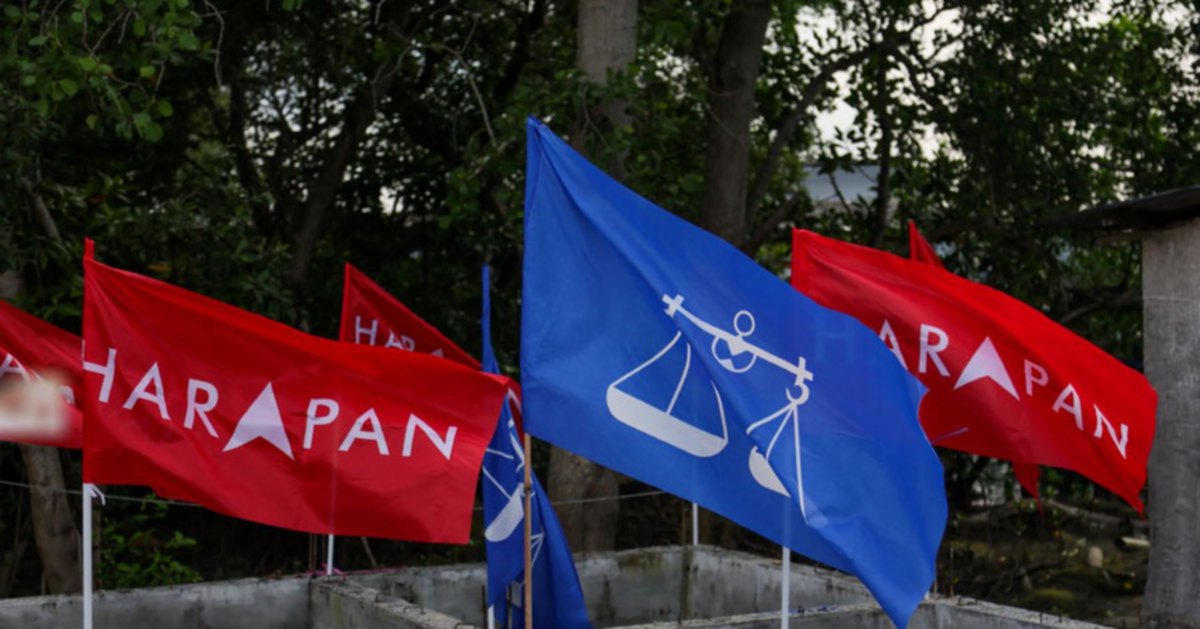
The meeting between Pakatan Harapan's two senior figures represents a significant moment in the coalition's ongoing strategic discussions with Barisan Nasional over how seats should be distributed ahead of future electoral contests. Datuk Seri Fahmi Fadzil, who serves as the communications director for the ruling coalition, formally acknowledged that Datuk Seri Amirudin Shari, the election director, held talks with Datuk Seri Anwar Ibrahim, the coalition chairman and Prime Minister, at a recent gathering in Putrajaya.
The confirmation comes as Pakatan Harapan and Barisan Nasional navigate increasingly complex negotiations that will fundamentally shape the political landscape for upcoming electoral challenges. These discussions have taken on heightened importance given the delicate balance that currently exists within Malaysia's governing coalition, where maintaining unity while managing competing interests from different member parties remains a persistent challenge. The involvement of Amirudin in direct meetings with Anwar suggests that critical decisions about seat negotiations are being escalated to the highest levels of coalition leadership.
Amirudin's role as election director places him at the centre of tactical considerations regarding parliamentary representation. His meetings with Anwar, who wields considerable authority as both coalition chairman and sitting Prime Minister, indicate that seat allocation matters are no longer confined to technical discussions but have entered the realm of high-level political decision-making. This elevation of talks underscores how significantly both coalitions view the forthcoming electoral arrangements and the potential consequences for political stability in the country.
For Malaysian voters and political observers, the importance of these negotiations extends far beyond procedural matters. How seats are divided between Pakatan Harapan and Barisan Nasional will determine which candidates represent constituencies, which party leaders gain greater parliamentary influence, and ultimately the composition of future governments. The outcome will reshape not only the balance of power within the ruling coalition but also the relationship between the two major political blocs that have dominated Malaysian politics for decades.
Packatan Harapan itself comprises multiple distinct parties with sometimes competing interests, making internal coordination essential before engaging seriously with Barisan Nasional. The need for clear communication between coalition leadership figures like Amirudin and Anwar reflects the complexity of achieving consensus among PH's constituent parties while simultaneously negotiating advantageous terms with their larger coalition partner. Each member party wants assurances that their own representatives will secure competitive seats and potential ministerial positions.
The Barisan Nasional coalition faces its own internal dynamics, with UMNO maintaining dominant influence but needing to balance the aspirations of smaller component parties like MCA and MIC. These cross-coalition negotiations therefore involve multiple layers of political consideration, with seat allocations serving as currency for rewarding loyalty, managing ambitions within parties, and maintaining the fragile equilibrium that keeps Malaysia's governing arrangements intact.
Fahmi's public confirmation of the meeting carries strategic significance beyond merely acknowledging that a conversation occurred. By going on record about these discussions, Pakatan Harapan's communications apparatus signals transparency to party members and the broader electorate, while simultaneously managing expectations about the pace and nature of ongoing negotiations. This approach contrasts with behind-the-scenes manoeuvring and suggests the coalition wishes to project an image of organised, principled engagement rather than backroom dealing.
The timing of these revelations matters considerably within Malaysia's political culture, where the narrative about negotiations often proves as important as their actual substance. By confirming meetings through official channels, Pakatan Harapan establishes a framework where stakeholders understand that discussions are progressing systematically. This transparency can help prevent misinformation or the spread of unfounded rumours that might destabilise coalition unity at a crucial moment.
For Southeast Asia observers, Malaysia's ability to manage these negotiations peacefully and through established political channels offers a contrast to more fraught electoral situations in the region. The willingness of competing political coalitions to engage in structured, acknowledged discussions about seat arrangements, rather than resorting to extra-constitutional methods or violence, reflects institutional maturity and democratic traditions that, while imperfect, have shown remarkable resilience across multiple electoral cycles.
The broader implications for Malaysia's political future remain significant. How current negotiations conclude will influence not merely the next election but potentially establish precedents for future coalition management. If Pakatan Harapan and Barisan Nasional can reach equitable arrangements that satisfy their respective constituencies, it strengthens Malaysia's democratic institutions and governance frameworks. Conversely, contentious negotiations might sow seeds of discontent that resurface during campaign periods or parliamentary deliberations.
As these discussions proceed, stakeholders across the political spectrum will scrutinise every confirmed meeting and public statement for hints about eventual outcomes. The involvement of figures as senior as Anwar and Amirudin suggests that negotiations have reached a stage where fundamental decisions can be made, meaning resolution may come sooner than observers initially anticipated. This development indicates that both coalitions view current political circumstances as sufficiently urgent to demand expedited resolution of outstanding seat allocation questions.

