%22%2F%3E%3C%2Fpattern%3E%3C%2Fdefs%3E%3Crect%20width%3D%22100%25%22%20height%3D%22100%25%22%20fill%3D%22url(%23ph4gj7hg)%22%2F%3E%3Crect%20width%3D%22100%25%22%20height%3D%22100%25%22%20fill%3D%22url(%23ph4gj7hp)%22%2F%3E%3Ctext%20x%3D%2250%25%22%20y%3D%2250%25%22%20text-anchor%3D%22middle%22%20dominant-baseline%3D%22central%22%20fill%3D%22rgba(255%2C255%2C255%2C0.95)%22%20font-family%3D%22Georgia%2C%20'Times%20New%20Roman'%2C%20serif%22%20font-weight%3D%22700%22%20font-size%3D%22272%22%20letter-spacing%3D%22-0.02em%22%3EFahmi%3C%2Ftext%3E%3C%2Fsvg%3E)
Communications Minister Datuk Fahmi Fadzil has made an impassioned plea for the media fraternity across Southeast Asia to deepen their working relationships and establish stronger mechanisms for combating the rising tide of false information that threatens regional stability. Speaking at a state dinner in Butterworth honouring the National Journalists' Day (HAWANA) 2026 celebration, Fahmi stressed that journalists and media organisations throughout ASEAN must move beyond competing interests and instead pool their resources, expertise and knowledge to ensure the public receives accurate, truthful reporting.
The minister's intervention comes at a critical juncture when digital platforms have democratised news distribution while simultaneously creating vast opportunities for disinformation to spread unchecked. Fahmi characterised the modern media landscape as one where information travels at unprecedented velocity and where competing narratives constantly battle for public attention. In such an environment, he argued, the traditional journalistic virtues of truth-seeking, professional integrity and ethical responsibility have become more essential than ever rather than becoming obsolete. The role of journalism, he maintained, extends beyond merely reporting events; it serves as the vital conduit through which citizens understand complex realities and hold those in power accountable.
The significance of Fahmi's remarks lies in their explicit acknowledgement that misinformation respects no borders and operates at a regional scale. A false narrative or misleading claim circulating in one ASEAN nation can rapidly cross into neighbouring countries, creating confusion and potentially inflaming tensions. This interconnected vulnerability demands an equally interconnected response. By advocating for cross-border collaboration, Fahmi implicitly recognised that no single country's media industry, however robust, can successfully combat coordinated disinformation campaigns without regional support and coordination.
The minister positioned journalism as occupying a bridging role within society, serving as the critical link between policymakers and those charged with implementing policy, and equally important, between the events themselves and public understanding of those events. This framing emphasises journalism's structural importance to democratic governance and informed citizenship. When misinformation proliferates unchecked, that bridge deteriorates, leaving citizens with fractured and contradictory understandings of shared reality. The consequences extend beyond mere confusion; they undermine social cohesion and can destabilise government institutions and public confidence in democratic processes.
Fahmi specifically highlighted the importance of knowledge-sharing and the exchange of best practices among regional media professionals. This approach recognises that different ASEAN nations have developed varying levels of institutional capacity, technical sophistication and regulatory frameworks for addressing misinformation. By creating formal mechanisms for sharing lessons learned and proven strategies, regional media organisations can accelerate their collective progress in this domain. Malaysia itself possesses considerable experience with digital media governance and could serve as both a contributor to and beneficiary of such regional knowledge exchange.
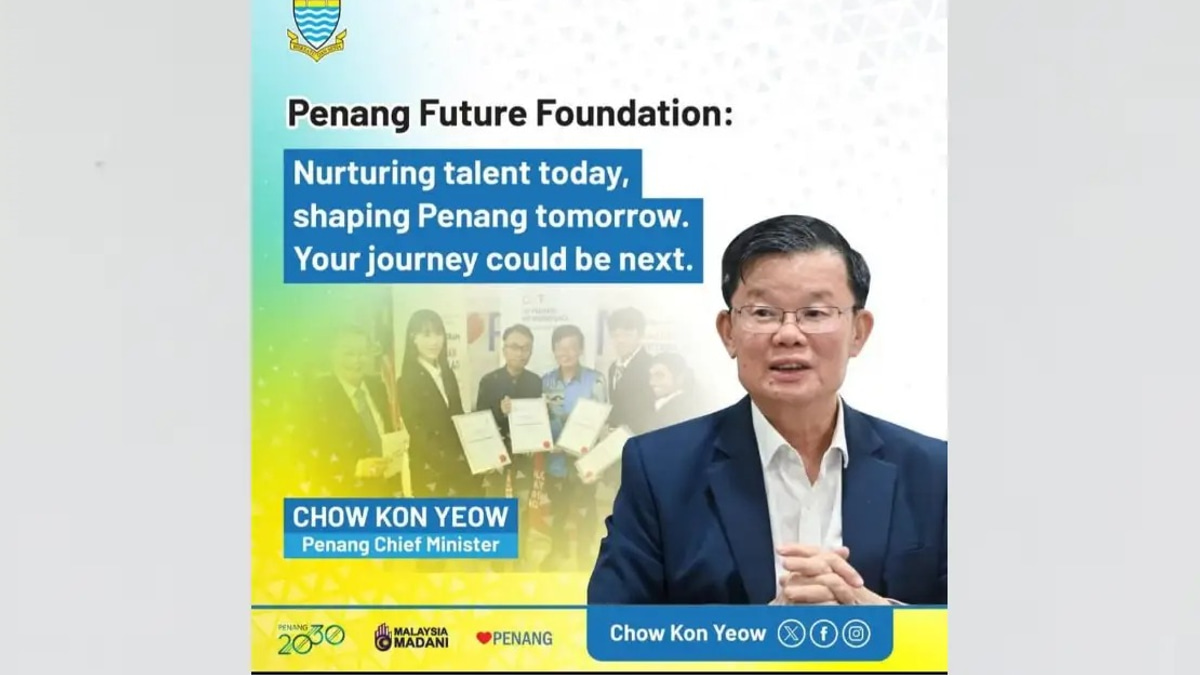
The HAWANA 2026 celebration itself takes on deeper meaning in this context. Rather than serving merely as an occasion for honouring journalists and recognising their professional contributions, the event functions as a strategic platform for reinforcing commitment to elevating journalism standards during a period of unprecedented challenge. The presence at the Butterworth event of high-level government figures including Penang Chief Minister Chow Kon Yeow, Penang Governor Tun Ramli Ngah Talib, and Communications Ministry officials demonstrated the seriousness with which Malaysia's government views this agenda. Notably, representatives from ASEAN Communications Ministers also attended, signalling that media regulation and misinformation prevention have become matters of genuine interstate concern within the bloc.
The Malaysian National News Agency (Bernama), represented by chairman Datuk Seri Wong Chun Wai and chief executive officer Datin Paduka Nur-ul Afida Kamaludin who also chairs the HAWANA 2026 Working Committee, occupies a particularly important position in these regional efforts. As Southeast Asia's longest-established national news agency with established relationships across the bloc, Bernama could facilitate connections and protocols that enable effective coordination among media organisations in different countries. The participation of representatives from local media companies alongside government officials created a mixed gathering where both institutional and commercial media interests were represented.
For Malaysian readers and media professionals, Fahmi's appeal carries particular resonance given Malaysia's position as a regional economic and political player with significant digital media influence. Malaysian news outlets reach audiences across multiple ASEAN nations, and conversely, misinformation originating elsewhere often circulates widely within Malaysia. Stronger regional protocols governing source verification, fact-checking methodology and the reporting of sensitive issues could significantly reduce the speed and impact of false narratives. Such cooperation might include shared fact-checking databases, early warning systems for coordinated disinformation campaigns and professional standards for reporting on sensitive topics where misinformation poses particular risks to social cohesion.
The challenge of implementing Fahmi's vision should not be underestimated. ASEAN nations operate under different regulatory frameworks, speak different languages and maintain varying degrees of press freedom and government involvement in media. Some countries possess strong independent media sectors while others operate with greater state influence. Creating effective regional collaboration requires finding common ground despite these differences and establishing mechanisms that respect national sovereignty while enabling genuine cross-border cooperation. The minister's invocation of shared commitment to peace, stability and prosperity suggests these should serve as foundational principles around which regional media cooperation can coalesce.
The timing of these remarks also reflects broader concerns about information security and geopolitical influence in Southeast Asia. As external powers seek to shape regional narratives and as domestic actors abuse digital platforms for political purposes, the ability of ASEAN media to present unified commitment to factual reporting becomes a form of soft power and institutional resilience. Countries that successfully combat misinformation and maintain high journalistic standards strengthen their institutions and citizen trust, while those that allow false narratives to proliferate face potential political instability and reduced international credibility.
Looking forward, the HAWANA 2026 celebrations will likely serve as touchstones for developing more concrete mechanisms for regional media collaboration. Working groups or task forces might emerge focusing on specific challenges such as detecting artificially generated content, coordinating coverage of regional events and establishing rapid-response protocols when significant misinformation begins circulating. Professional associations representing journalists across ASEAN nations could develop shared codes of conduct and training programmes addressing contemporary challenges from deepfakes to coordinated inauthentic behaviour on social platforms.
Ultimately, Fahmi's call represents recognition that in an interconnected region where information flows instantaneously across borders, media organisations must also operate increasingly as a cooperative network rather than isolated competitors. The minister has articulated a vision where journalists throughout ASEAN understand themselves as part of a shared professional community with collective responsibility for maintaining information integrity. Whether this aspirational vision can translate into practical, sustained institutional cooperation remains to be seen, but the rhetorical commitment from Malaysia's government and the symbolic engagement of regional Communications Ministers suggests that serious effort will be invested in making this vision concrete.