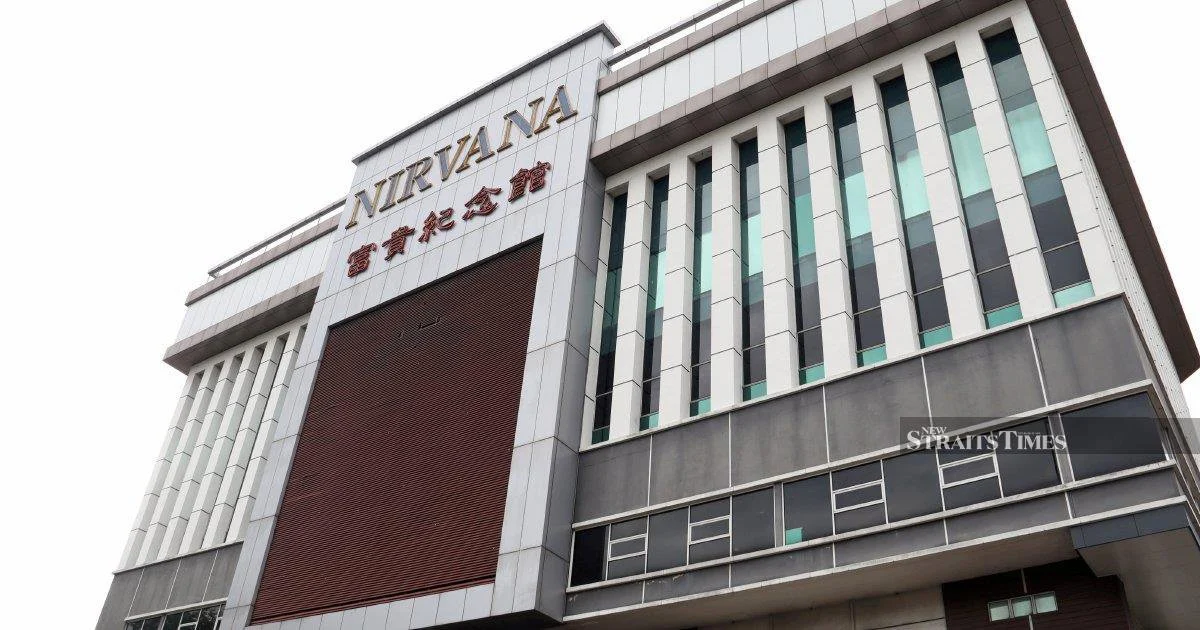
A grieving family in Shah Alam has turned to the courts after two urns containing their late parents' cremated remains disappeared from Nirvana Memorial Park's columbarium premises. The incident, which occurred in January, has prompted the family to file a negligence lawsuit against Nirvana Memorial Park (Shah Alam) Sdn Bhd, raising serious questions about security protocols and accountability at memorial facilities across Malaysia.
The loss of cremated remains represents a particularly distressing form of theft, as it deprives families of their ability to perform final rites and maintain a tangible connection to their deceased loved ones. For many Malaysian families, especially those observing religious customs that place significant importance on the proper handling of remains, such an incident constitutes not merely a material loss but a profound spiritual and emotional violation. The case underscores vulnerabilities within the memorial services industry that have largely escaped public scrutiny until now.
Memorial parks and columbariums serve as custodians of some of the most precious items families entrust to them—the final remnants of their departed relatives. In Malaysia's multicultural society, these facilities accommodate diverse religious and cultural practices surrounding death and remembrance. The expectation is that such establishments maintain rigorous security standards, comprehensive inventory systems, and adequate insurance coverage to protect against theft, loss, or damage. When these safeguards fail, the consequences extend beyond financial compensation into realms of dignity and spiritual well-being.
The negligence claim suggests that Nirvana Memorial Park's security infrastructure proved insufficient to prevent the theft. This might encompass inadequacies in surveillance systems, insufficient staffing during operating hours, weak access controls to restricted columbarium areas, or failures in maintaining accurate records of stored remains. Families choosing premium memorial facilities typically do so with the understanding that enhanced fees correspond to enhanced protection and professional oversight. The alleged theft raises questions about whether such assurances are being met across the industry.
The January theft represents an isolated incident that could reflect either systemic vulnerabilities or a singular breach of security protocols. Industry observers will scrutinize how frequently such losses occur at Malaysian memorial parks and whether facilities conduct regular audits of their urn inventory. The transparency with which memorial operators communicate such incidents to families and authorities also becomes relevant, as does their response in attempting to recover stolen remains or identify suspects.
From a legal perspective, the family's negligence claim must establish that Nirvana Memorial Park owed a duty of care, breached that duty through inadequate security measures, and that this breach directly caused the loss of the urns. Malaysian courts will likely examine industry standards for columbarium management and security, comparing the defendant's practices against established norms. The case may set precedents for liability in memorial services, particularly regarding the standard of care expected from such facilities.
Beyond the immediate lawsuit, this incident prompts reflection on Malaysia's regulatory framework governing memorial parks. Unlike some professions, columbarium operators are not subject to stringent licensing requirements or mandatory security standards that would be comparable to those governing banks or jewellery stores. Establishing clearer industry guidelines could protect consumers and reduce opportunities for negligence to occur.
For the affected family, the lawsuit represents a path toward accountability and potentially, recovery of damages. However, the legal process offers limited solace for the irreplaceable loss they have endured. Even if the court awards compensation, money cannot restore the ashes themselves or resolve the spiritual distress caused by their disappearance. This reality highlights why prevention through robust security measures proves far preferable to litigation after the fact.
The case also carries implications for other families using memorial facilities across Malaysia. Many may now question whether their relatives' ashes are adequately secured or whether they should consider relocating remains to facilities with demonstrably superior security infrastructure. This litigation, though initially affecting one family, has potential to influence consumer confidence across the entire sector.
Memorial park operators may respond by implementing enhanced security measures—including upgraded surveillance systems, restricted columbarium access, regular inventory audits, and increased insurance coverage. Some facilities might introduce biometric access controls or require families to collect urns personally only in the presence of staff members. Industry associations could establish voluntary codes of practice establishing minimum security standards, though regulatory intervention would provide stronger protections.
The broader context involves Malaysia's aging population, which inevitably increases demand for memorial services and creates more opportunities for breaches if security remains inadequate. As cremation becomes increasingly common among various Malaysian communities, the number of families relying on columbariums will expand significantly over coming decades. Ensuring these facilities operate to professional standards protects not only current users but future generations of Malaysians seeking dignified final resting places for their relatives.
As the case proceeds through Malaysia's legal system, it will illuminate not only the specific circumstances of this family's loss but also systemic issues within the memorial services industry. The outcome may catalyse changes in how memorial parks operate and regulate themselves, ultimately benefiting all Malaysian families who entrust their deceased loved ones to such facilities. For now, the family's pursuit of justice through the courts represents their effort to hold a commercial operator accountable for what they allege was a preventable loss stemming from negligent management.

