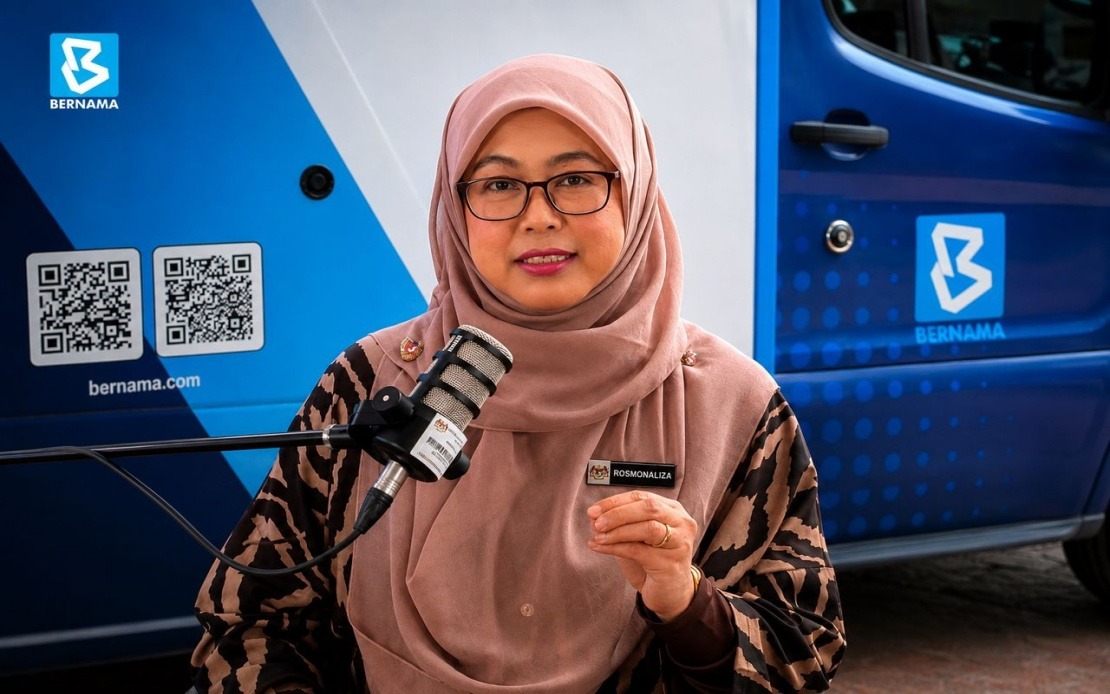
The National Population and Family Development Board (LPPKN) has issued a fresh call for Malaysian fathers to embrace a more expansive role within their families, one that extends well beyond the conventional image of the economic provider. Speaking on the KASIH Lensa Keluarga podcast, LPPKN's Family Well-being Division director Rosmonaliza Abdul Ghani articulated a vision of fatherhood that acknowledges the profound shifts in Malaysian society and family structures over recent decades. Her remarks come at a time when demographic changes, economic pressures, and evolving social expectations have fundamentally reshaped what it means to be a parent in contemporary Malaysia.
Rosmonaliza emphasised that modern fathers occupy a dual—if not multiple—identity that requires them to serve simultaneously as financial providers and as architects of family resilience. The transition from viewing fathers purely as breadwinners to recognising them as agents of social and emotional change represents a significant cultural reorientation. In the LPPKN framing, fathers are now positioned as key figures whose presence directly influences the stability and strength of family institutions. This perspective challenges longstanding gender norms that have traditionally confined men's parental involvement to financial provision, while delegating emotional labour and day-to-day childcare primarily to mothers.
Effective family communication has emerged as a cornerstone in maintaining the relevance of fathers within household dynamics. Rosmonaliza underscored that without sustained and meaningful dialogue between parents and children, fathers risk becoming peripheral figures in the lives they help sustain economically. This communication imperative takes on heightened urgency in a Malaysian context where rapid urbanisation, extended working hours, and digital disruption have compressed quality family time. The ability to articulate emotions, listen actively, and respond with empathy distinguishes modern fatherhood from purely transactional relationships built on material provision alone.
The LPPKN director noted an encouraging trend: an increasing number of men are overcoming stigma and seeking professional mental health support. Attending counselling sessions—whether individually or alongside spouses and children—has become more socially acceptable among Malaysian men. This shift reflects broader awareness that masculine vulnerability and help-seeking behaviour are compatible with strength and responsibility. The organisation itself has responded by developing a suite of support programmes encompassing counselling, therapy, and personality assessments. These services specifically target men navigating financial strain, mental health challenges, and other life stressors that can destabilise family relationships.
Rosmonaliza emphasised that LPPKN's approach prioritises creating an environment where fathers feel neither isolated nor judged. The board recognises that many men silently battle personal demons—anxiety, depression, financial anxiety—without external support, allowing these struggles to percolate through family systems and manifest as fractured relationships or emotional distance from children. By offering a confidential, compassionate space for men to articulate their difficulties, the organisation seeks to interrupt cycles of suppressed emotion that historically have characterised Malaysian masculinity.
Abbe, who has worked extensively with economically marginalised communities and street children, brought on-the-ground perspective to the discussion. His observation that many social pathologies originate from the absence of engaged paternal figures within households underscores the tangible consequences of father absence or disengagement. Drug abuse among household heads and intergenerational poverty represent two critical vectors through which familial instability cascades into wider social breakdown. Children growing up without meaningful paternal involvement face elevated risks of substance dependence, academic underperformance, and involvement in criminal activity. These outcomes carry profound implications not only for individual families but for Malaysia's social cohesion and development trajectory.
Abbe advocated for compassionate rather than punitive approaches when engaging men facing significant life obstacles. This distinction proves particularly important in Malaysian contexts where traditional hierarchies and concepts of masculine pride remain culturally salient. Men with inflated egos or defensive postures respond more effectively to interventions rooted in dignity, religious values, and appeals to family honour than to shame-based or coercive strategies. By reframing paternal responsibility as an honourable calling aligned with Islamic and broader Asian family values, advocates can help struggling men reclaim their legitimate role as household leaders without inducing the defensiveness that typically forestalls genuine change.
Rosmonaliza highlighted the reciprocal nature of family support systems, stressing that fathers cannot shoulder their responsibilities in isolation. Spouses and children bear responsibility for recognising paternal sacrifice and providing emotional reinforcement. This interdependence is often overlooked in discussions that place sole emphasis on paternal failings without acknowledging how family dynamics collectively shape outcomes. Children who take for granted their father's labour and provision miss opportunities to build emotional connection and understanding. Conversely, fathers who neglect quality time investments deprive themselves and their children of the relational foundation necessary to weather life's inevitable challenges.
The distinction Rosmonaliza drew between material provision and paternal presence carries particular resonance for Malaysian families aspiring toward middle-class status. In contexts where purchasing power and consumer goods symbolise parental care, the message that presence supersedes presents challenges deeply ingrained aspirations. Yet evidence increasingly demonstrates that children derive greater long-term benefit from emotionally present fathers than from additional material accumulation. This reframing requires cultural work: shifting Malaysian parenting narratives toward privileging time investment and emotional availability alongside financial security.
The LPPKN's broader advocacy reflects recognition that fatherhood cannot remain static amid rapid social change. Malaysian fathers navigating competing demands—career advancement, financial responsibilities, evolving spousal expectations around shared domestic labour—require institutional support and social permission to redefine their roles. The board's programming and public messaging attempt to create cultural space for this renegotiation. By positioning expanded paternal engagement as strength rather than weakness, and help-seeking as responsibility rather than failure, LPPKN addresses longstanding barriers to male family involvement.
Moving forward, the implications for Malaysian society are significant. Strengthening father-child relationships and normalising paternal emotional investment could yield measurable improvements in childhood developmental outcomes, mental health trajectories, and social stability across generations. Schools, workplaces, and community organisations have roles in supporting this transition by offering flexible arrangements, parenting programmes, and cultural messaging that valorises engaged fatherhood. The challenge lies in translating LPPKN's vision into concrete institutional and cultural change that empowers Malaysian fathers to embrace their expanded role while maintaining economic security for their families.

