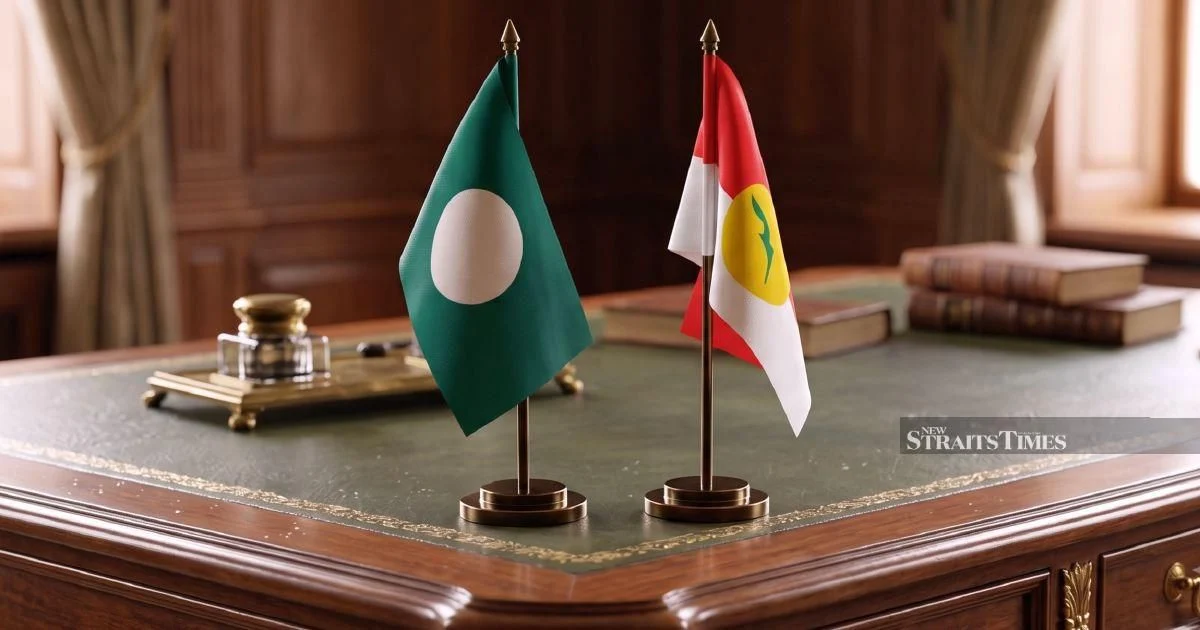
Despite Barisan Nasional's commanding performance in the Johor state elections, political analysts are downplaying the likelihood of a formal coalition pact between Umno and Pas ahead of the Negri Sembilan state polls. The two major Malay-Muslim parties have flirted with cooperation on various fronts, yet institutional and strategic obstacles continue to complicate any structural merger that would bind them through official channels.
The analysts' assessment reflects a deeper reading of Malaysian politics beyond surface-level electoral arithmetic. While Barisan's Johor victory demonstrated the enduring appeal of the traditional ruling coalition—particularly among its core constituencies—this success does not automatically translate into the organisational restructuring that a formal Umno-Pas alliance would require. Such a consolidation would fundamentally alter the political landscape by essentially fusing two substantial vote banks that have previously competed for the same demographic.
Umno's confidence following the Johor result stems from its ability to mobilise the Malay-Muslim electorate through its established machinery and brand recognition. The party views this momentum as sufficient to contest Negri Sembilan effectively without surrendering its independence or sharing electoral territories through an official partnership. For Umno, preserving autonomy in candidate selection and campaign messaging remains strategically advantageous, particularly given its historical dominance in state politics across the peninsula.
Pas, conversely, faces a more complicated political equation. The party has spent the past decade navigating between opposition politics and potential cooperation with Umno, a dance that has resulted in mixed electoral outcomes and internal tensions. A formal alliance with Umno would require Pas to accept subordinate positioning in many contests, sacrificing the grassroots momentum it has built through independent campaigns. This calculus becomes especially fraught when Pas leaders must answer to party members who view Umno with historical suspicion.
The institutional barriers to formal merger extend beyond electoral calculation. Umno and Pas possess distinct organisational cultures, internal power structures, and theological-political orientations that have evolved separately over decades. Pas's Islamist framework and Umno's more pragmatic nationalism represent different visions for Malay-Muslim political expression. Merging these formally would require resolving ideological tensions that informal cooperation allows both parties to finesse through strategic ambiguity.
Geographic and electoral factors in Negri Sembilan present another complication. The state's mixed demography means that some constituencies favour Umno's traditional establishment appeal, while others respond better to Pas's grassroots organising. By maintaining separation, each party can tailor messaging and mobilisation strategies to specific districts without compromising its broader positioning. A formal alliance would force standardised approaches that might alienate segments of either party's support base.
Regional political dynamics also weigh on the calculation. Neighbouring Selangor's multiethnic polity has become a proving ground for non-Barisan governance, influencing Malay-Muslim voter perceptions across the central region. Neither Umno nor Pas wishes to appear isolated or subordinated in the eyes of constituencies increasingly exposed to alternative political models. Formal merger could be weaponised by opponents as evidence of ideological capitulation or political desperation.
The Johor election's emphatic Barisan victory, while legitimising the traditional coalition, simultaneously reduces pressure on its component parties to merge. Success allows Umno to argue that its individual brand remains potent enough to deliver, undermining Pas's negotiating position for meaningful partnership terms. Pas, faced with this reality, must weigh the costs of accepting unfavourable alliance terms against contesting independently and maintaining political flexibility.
International and regional considerations further complicate Umno-Pas coordination. Both parties navigate a complex landscape involving Malaysia's relationship with the broader Muslim world, domestic religious governance questions, and competition for Islamic legitimacy. Formalising an alliance risks exposing internal disagreements on these dimensions and inviting external commentary on Malaysia's political-religious character. Informal cooperation preserves strategic ambiguity that serves both parties' interests.
The Negri Sembilan context itself differs from Johor in ways that reduce incentives for formal union. The state's political dynamics reflect a more fluid competitive environment where Barisan's dominance, while substantial, is less overwhelming than in Johor. This uncertainty actually benefits component parties' independence strategies, as each may imagine capturing additional seats through tailored approaches unavailable through formalised coordination.
Looking forward, expect continued tactical cooperation between Umno and Pas in Negri Sembilan without institutional consolidation. Both parties will coordinate on candidate placement, campaign messaging, and voter mobilisation where interests align, whilst maintaining distinct organisational identities and political brands. This arrangement maximises flexibility whilst avoiding the commitment costs and internal complications of formal alliance structures.
The broader pattern emerging across Malaysian politics suggests that temporary, issue-specific cooperation has become more sustainable than permanent institutional mergers for parties with distinct constituencies and historical trajectories. Umno and Pas demonstrate that effective political collaboration need not require formal dissolution of separate identities, a lesson increasingly reflected in how regional politics organises itself around shifting pragmatic partnerships rather than fixed structural alliances.

