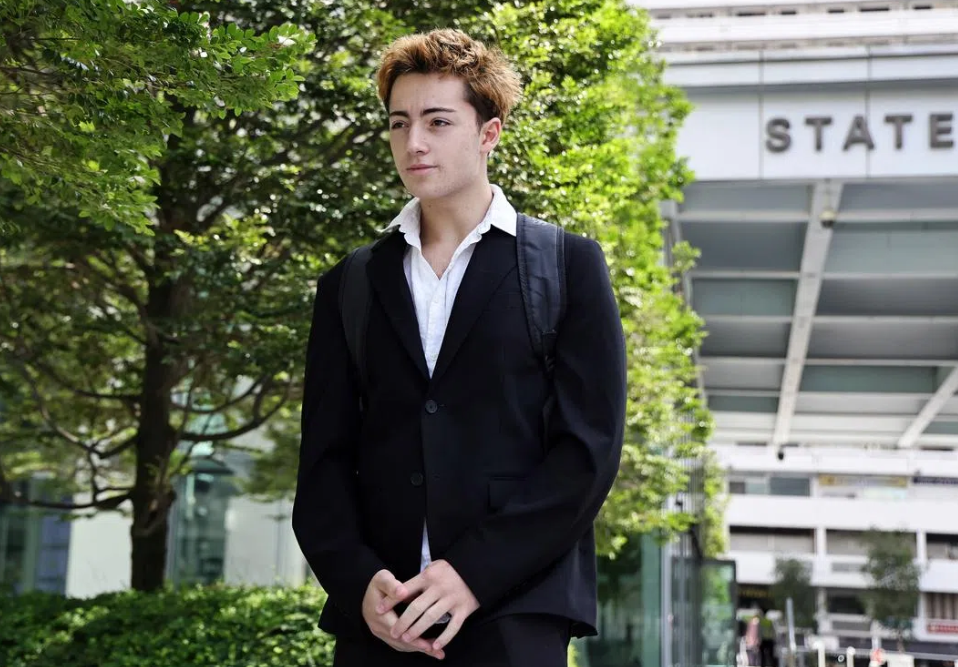
A 19-year-old French citizen facing charges related to tampering with a straw dispenser at a Singapore vending machine is scheduled to enter a guilty plea during a court appearance on July 13. Didier Gaspard Owen Maximilien was charged in April with committing mischief and acting as a public nuisance stemming from an incident that drew significant online attention and sparked widespread concern about hygiene in shared public spaces.
The alleged incident occurred around March 12 at Goldhill Centre along Thomson Road in Singapore's central district. According to court documents, Maximilien is accused of taking a straw from an iJooz beverage dispenser, licking it, and then returning it to the machine's straw compartment. The troubling aspect of the case centres on his decision to film himself performing the act and subsequently uploading the footage to social media platforms, which rapidly circulated and attracted considerable public reaction.
IJooz operates a chain of vending machines specializing in freshly squeezed orange juice across Singapore. The company faced a significant operational and sanitary challenge following the alleged incident. According to court records, the company deemed it necessary to replace all 500 straws stored in the affected dispenser to ensure customer safety and maintain hygiene standards. This wholesale replacement underscores the serious consequences of such actions on commercial operators who must respond to breach of food safety and customer trust.
The viral nature of the incident reveals broader concerns about public behaviour in shared spaces during the social media age. When the video emerged on March 12, it quickly spread across online platforms, prompting shocked reactions and anxious discussions among internet users. The incident highlighted vulnerabilities in common food service equipment that consumers regularly interact with and raised questions about vending machine hygiene practices in the region.
Maximilien's case carries legal significance under Singapore's strict approach to public health and order offences. The charge of committing mischief carries substantial potential penalties, including imprisonment for up to two years, a monetary fine, or a combination of both. The public nuisance charge adds another layer, with sentencing guidelines allowing up to three months imprisonment, fines reaching $2,000, or both. The dual charges reflect authorities' determination to treat such behaviour as serious misconduct affecting community welfare.
The decision to plead guilty suggests the teenager acknowledges the charges and may cooperate with the judicial process, potentially influencing sentencing considerations. In Singapore's legal framework, early guilty pleas often result in more lenient outcomes compared to cases proceeding through trial, though the final sentence remains at the judge's discretion. Given Maximilien's status as a foreign national, additional factors including immigration implications and repatriation considerations may influence court proceedings.
This case arrives amid broader regional conversations about social media responsibility and the consequences of posting content involving deliberate violation of public health norms. Across Southeast Asia, incidents of food tampering or public misconduct filmed for online sharing have prompted increased enforcement and public awareness campaigns. Singapore's response demonstrates the city-state's established pattern of swift legal action against behaviour deemed harmful to community standards and public health.
For businesses operating vending machines and self-service food dispensing equipment, the incident serves as a cautionary tale regarding security and hygiene protocols. Operators across the region may consider enhanced monitoring systems, protective equipment designs, or additional sanitation measures to deter and prevent similar incidents. The costs borne by iJooz—both in replacing contaminated materials and managing reputational impact—illustrate the financial and commercial consequences companies face from isolated acts of misconduct.
The case also raises questions about digital citizenship and the decision-making processes of young people navigating social media platforms. Maximilien's choice to document and share his actions suggests a troubling disconnect between personal entertainment and awareness of real-world consequences. Educational initiatives and stronger digital literacy programmes across Southeast Asia increasingly focus on helping young people understand how online sharing can amplify harm and attract legal attention.
As Singapore continues strengthening its public health and community safety frameworks, cases like this set precedent for how authorities treat deliberate contamination of shared resources. The upcoming July plea hearing will provide clarity on the specific sentencing outcome and may inform how similar incidents are treated in future. For residents and visitors across the region, the case serves as a potent reminder that casual vandalism or contamination of public facilities carries serious legal ramifications in Singapore's tightly regulated environment.

