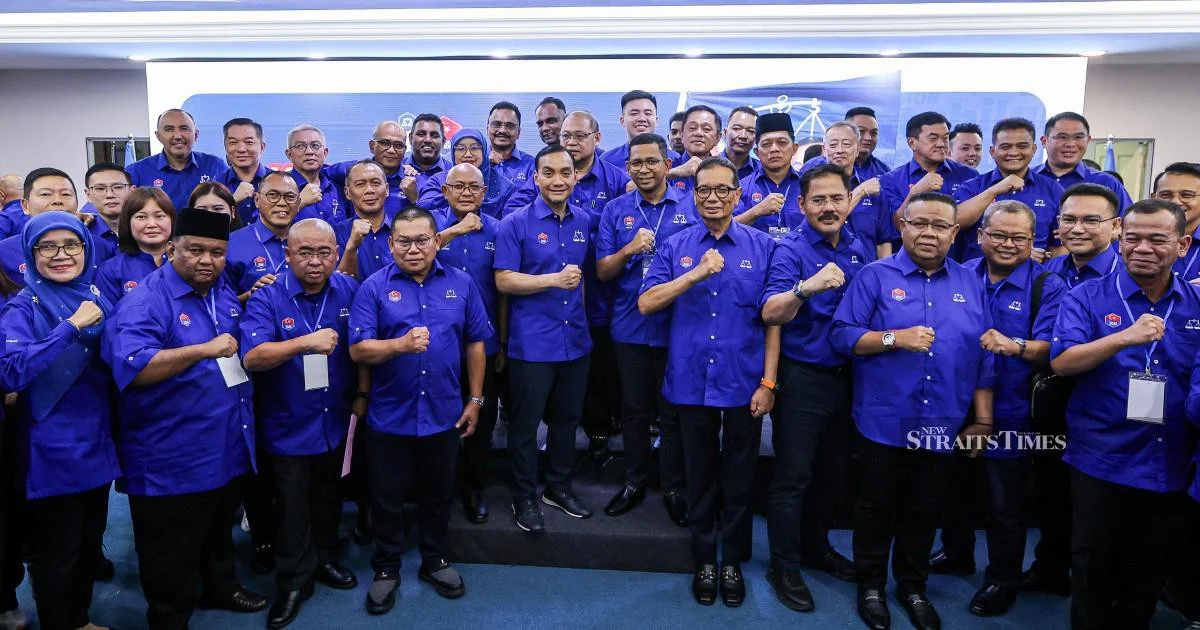
The Barisan Nasional coalition is banking on a cohort of fresh political talent to strengthen its position in Johor ahead of the state election scheduled for July 11. Newly unveiled candidates from BN's component parties in the state have pledged unwavering commitment to delivering results at the ballot box, underscoring the coalition's determination to maintain its political dominance in the economically significant peninsula state.
The recruitment and promotion of new faces within BN's Johor operations reflects a broader strategy to energise the coalition's grassroots apparatus and address questions about leadership renewal. Traditionally, Johor has been a stronghold for BN, though recent electoral cycles have demonstrated that no seat can be taken for granted in Malaysia's increasingly competitive political landscape. The emergence of new candidates suggests the coalition is taking proactive steps to counteract fatigue that can accompany long periods of incumbency, a concern that has affected ruling coalitions across Southeast Asia in recent years.
For Malaysian politics observers, the dynamics of the Johor election carry significance beyond the state's borders. As one of the country's most populous and economically vibrant states, Johor's political direction often influences national sentiment and coalition calculations at the federal level. The state has historically served as a testing ground for electoral trends, with results frequently offering early indicators of broader shifts in voter sentiment. The BN's performance in July will therefore be closely monitored by political analysts assessing the coalition's trajectory heading into any future general election cycle.
The commitment expressed by incoming BN candidates must navigate a complex political terrain. Urban areas in Johor, particularly around Johor Baru, have witnessed growing electoral competitiveness, with opposition parties making notable inroads in recent years. These candidates will need to address voter concerns ranging from cost-of-living pressures to service delivery and local development priorities. The coalition's ability to field candidates with genuine roots in their constituencies and credible local engagement records may prove decisive in retaining support across diverse voter demographics.
Component parties within BN's Johor machinery have each contributed to the slate of new candidates, reflecting the coalition's multiethnic character and the need to maintain representation across different communities. This internal balancing act, while necessary for holding the coalition together, sometimes creates tensions regarding seat allocation and candidate selection. Successfully managing these organisational dynamics while maintaining public confidence will be crucial during the campaign period.
The pledges from new candidates to work intensively with communities and address local grievances indicate an understanding of contemporary Malaysian electoral expectations. Voters increasingly demand direct engagement and responsiveness to neighbourhood concerns rather than relying solely on top-down party messaging. New candidates, unburdened by the baggage of previous political controversies that might attach to longer-serving politicians, may find it easier to establish personal connections with constituents and project an image of accessibility and commitment.
For Southeast Asian politics more broadly, Malaysia's state elections offer instructive lessons about coalition management and voter expectations in competitive multiparty democracies. The Johor contest demonstrates how established coalitions must continually refresh their personnel and policy approaches to maintain electoral relevance. This is particularly pertinent in the region, where other countries are grappling with similar questions about sustaining political coalitions and renewing leadership pipelines.
The economic context surrounding this election cannot be overlooked. Johor's manufacturing, port, and service sectors have faced headwinds, and voters are attentive to how political leaders propose addressing employment, business sustainability, and wage growth. New BN candidates will need to translate their enthusiasm into concrete policy proposals that resonate with economic anxieties facing working families and businesses. This represents a genuine test of whether new faces bring fresh thinking or simply represent a cosmetic reshuffling of existing approaches.
The opposition parties contesting the Johor election have similarly fielded new candidates and refined their campaign strategies, ensuring the contest will likely be competitive across numerous seats. BN's emphasis on its new candidates suggests the coalition recognises it cannot rely on incumbency advantage alone. This competitive posture should serve Malaysian democracy well, as it typically encourages all parties to engage more substantively with voter concerns and policy details rather than relying on entrenched political machinery.
Looking ahead to July 11, the election will test not only the viability of these new candidates but also the broader health of the BN coalition. Whether new blood can genuinely reinvigorate the organisation and expand its appeal, or whether structural challenges and voter sentiment have shifted beyond what fresh faces can address, will become apparent once polling concludes. The outcome will likely inform BN's strategic thinking regarding candidate selection, coalition management, and policy priorities in subsequent electoral contests.

